English
 Español
Content
Embossed sofa fabric stands out as the optimal upholstery choice for homeowners and interior designers seeking a harmonious blend of aesthetic appeal, tactile richness, and long-term durability. By utilizing specialized rollers to press three-dimensional patterns into the textile, this fabric transforms a mundane surface into a visual and sensory experience. Whether you are revamping a vintage armchair or furnishing a modern living room, embossed fabrics deliver a high-end look that resists the typical wear and tear of daily life, making them both a practical and luxurious investment.
Understanding the Embossing Process
The creation of embossed sofa fabric is a fascinating intersection of engineering and artistry. Unlike woven patterns that rely on the interlacing of different colored yarns, embossing physically alters the surface structure of the material after it has been woven or knitted. This is achieved through a calendering process where the fabric passes between heated, engraved rollers under immense pressure. The top roller features the desired pattern in negative, while the bottom roller provides the resistance needed to press the design into the textile.
The heat and pressure combination is critical. For thermoplastic fibers like polyester, the heat temporarily softens the yarns, allowing the engraved roller to permanently deform the fibers. Once cooled, the fabric retains the intricate three-dimensional pattern indefinitely. For natural fibers that do not react to heat in the same way, a chemical binder or adhesive backing is often applied to the fabric before the embossing rollers press the pattern, ensuring the design remains locked into the fibers over time. This meticulous engineering results in a textured surface that catches light and shadow, giving the sofa a dynamic, ever-changing appearance throughout the day.
Distinctive Advantages of Embossed Upholstery
Choosing embossed fabric for a sofa goes beyond mere visual preference; it offers a suite of functional benefits that enhance the longevity and comfort of the furniture piece.
Visual Depth and Dimensional Interest
A flat, monotone sofa can often make a room feel sterile or one-dimensional. Embossed fabrics introduce a sculptural quality to furniture, creating micro-shadows across the surface. This depth makes solid-colored fabrics far more engaging, allowing them to hold their own in richly decorated spaces without the visual clutter of multi-colored prints. The texture invites touch, making the sofa an irresistible focal point in the living area.
Concealment of Daily Wear
One of the most pragmatic reasons to select embossed fabric is its exceptional ability to hide minor abrasions, pet hair, and dust. The peaks and valleys of the embossed pattern disrupt the flat surface, meaning that scratches or slight pilling do not catch the light as they would on a smooth plain weave. This makes embossed upholstery particularly advantageous for high-traffic family rooms or households with pets, extending the pristine appearance of the sofa between deep cleanings.
Enhanced Tactile Comfort
The physical texture of an embossed fabric significantly contributes to the perceived comfort of a sofa. Patterns such as raised florals or geometric dimples provide a gentle massage-like sensation against the skin. This textural break prevents the fabric from feeling sticky or clammy during warmer months, as the raised areas allow for slight air circulation between the fabric and the occupant's skin, enhancing the overall sitting experience.
Popular Types and Textures
Embossed fabrics are available in a wide array of base materials and pattern styles, each bringing a distinct character to the sofa.
Velvet Embossed Fabrics
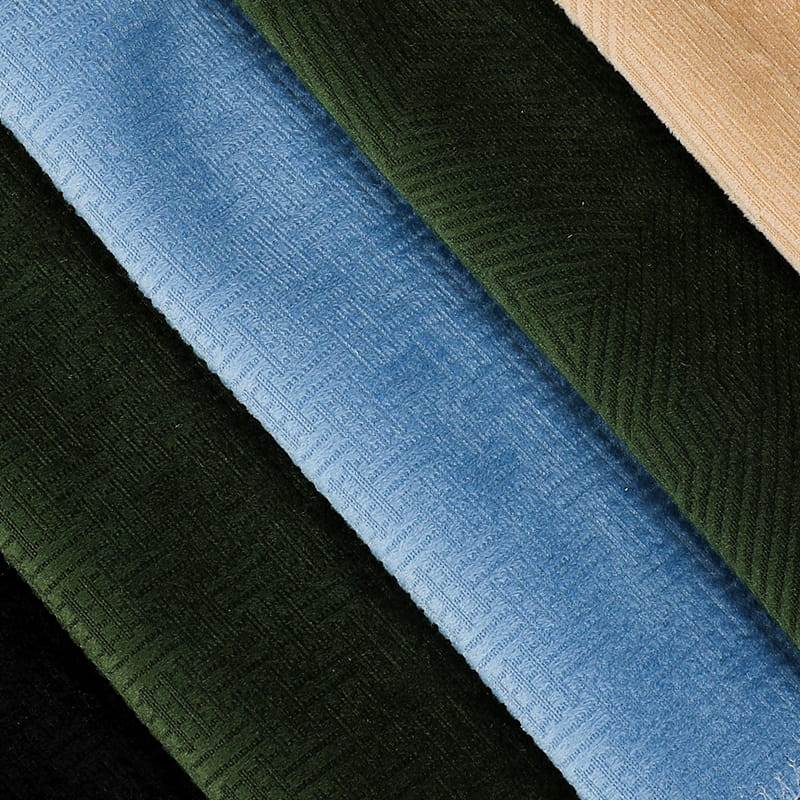
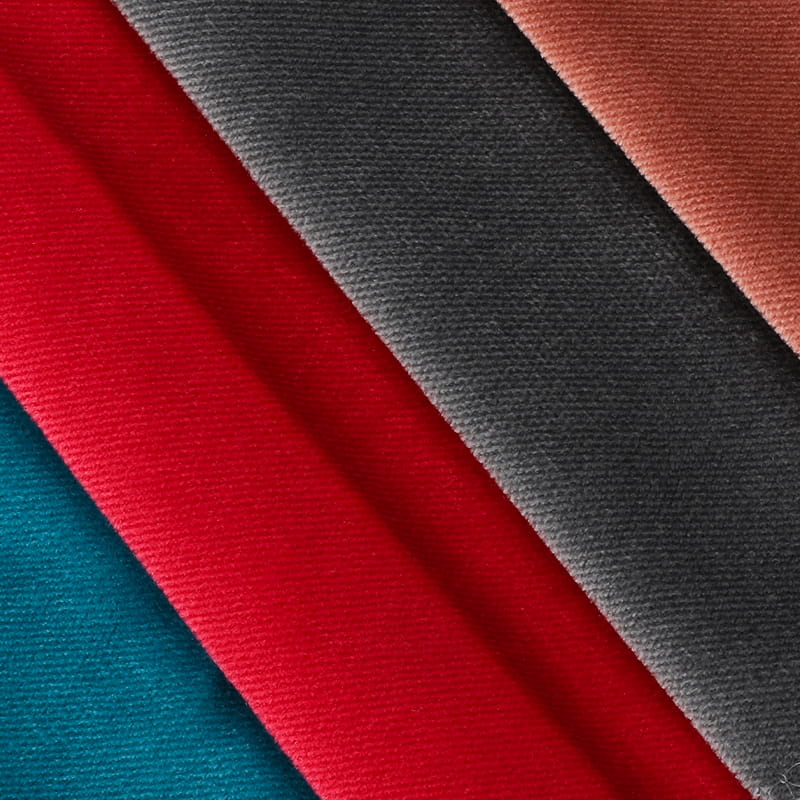
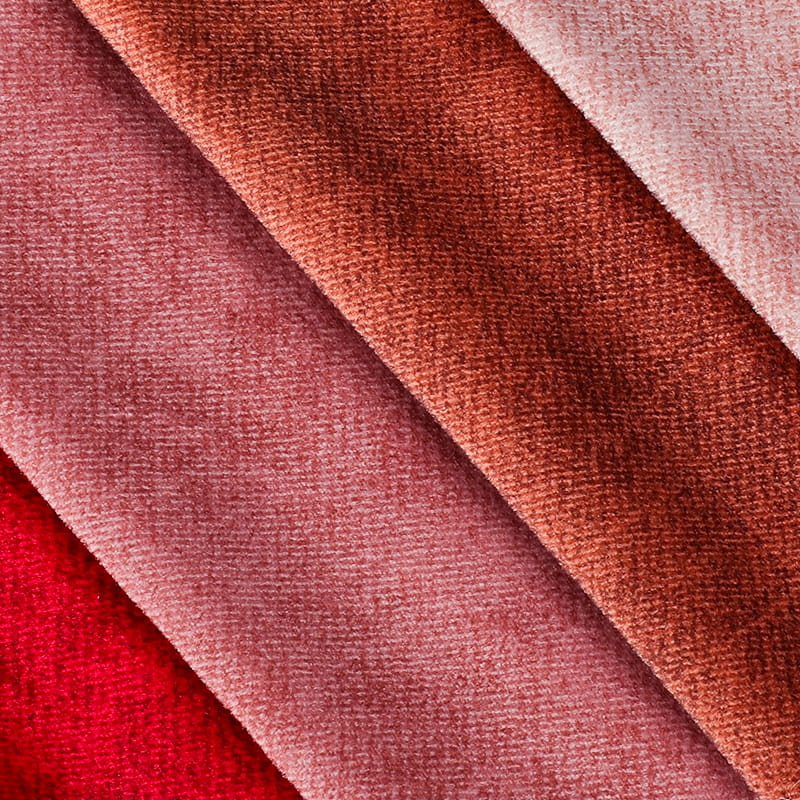
Velvet is arguably the most popular canvas for embossing. The dense, plush pile of velvet reacts beautifully to the embossing process. When the hot rollers press the pattern into the pile, they crush and permanently set the fibers in opposite directions. This creates a stunning contrast where the embossed design appears as a darker, flatter area against the lighter, upright surrounding pile. Often referred to as sculpted or crushed velvet, this type of fabric exudes opulence and is a staple in glamorous or maximalist interior designs.
Microfiber and Chenille Embossing
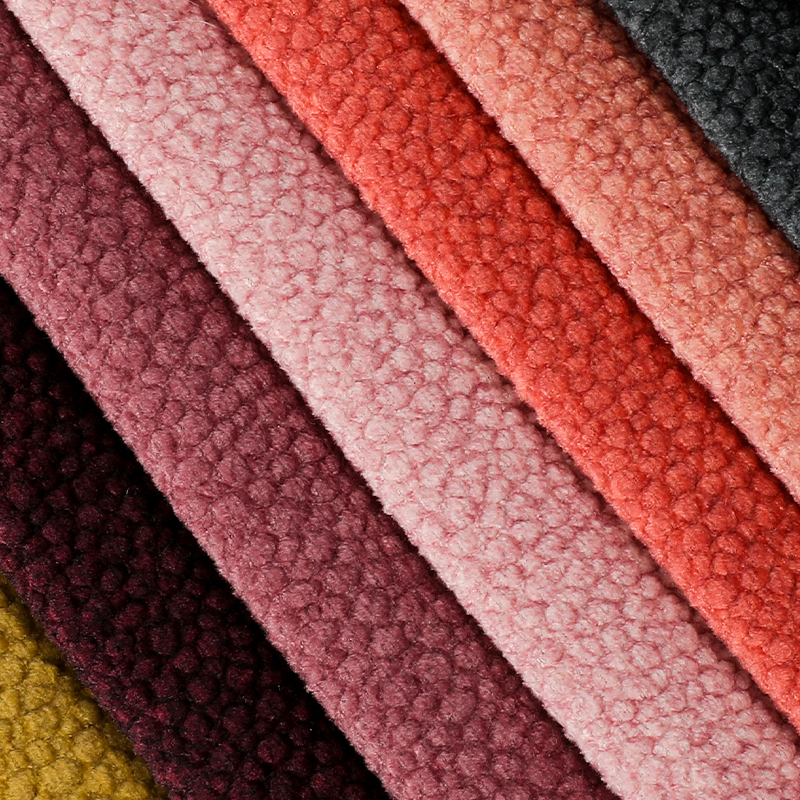
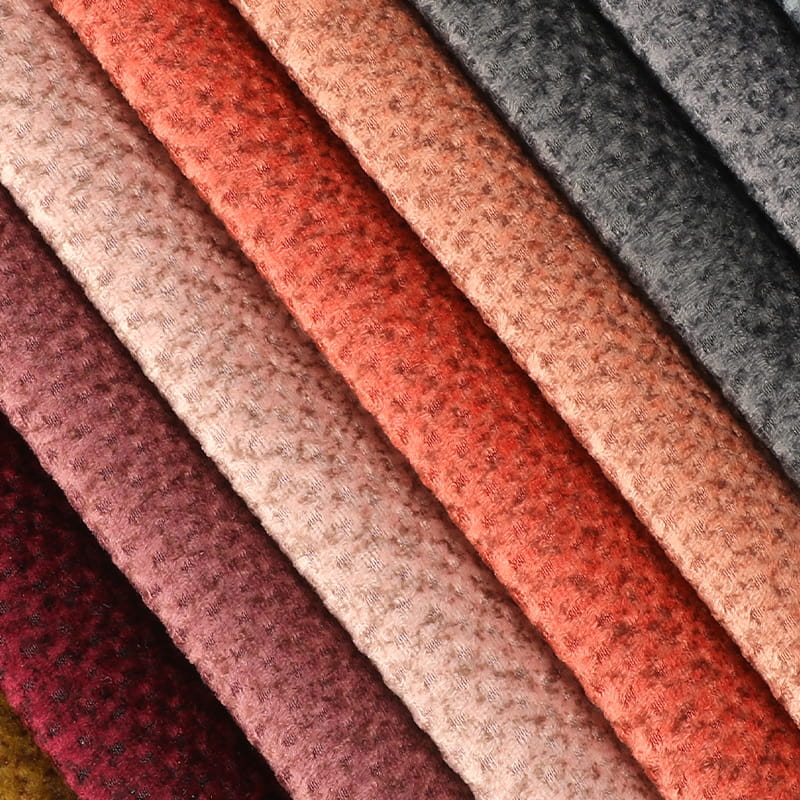
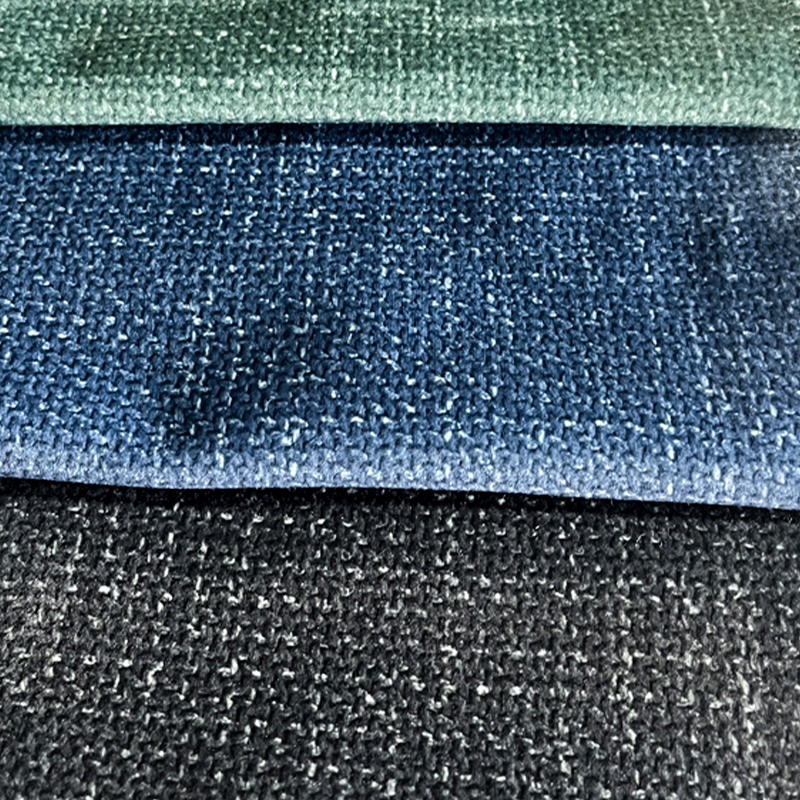
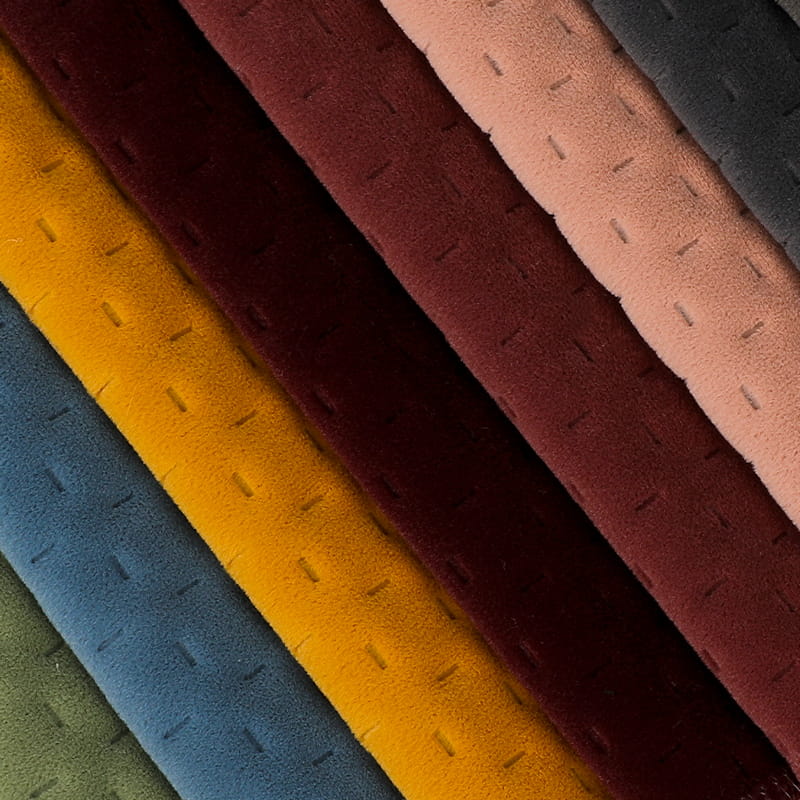
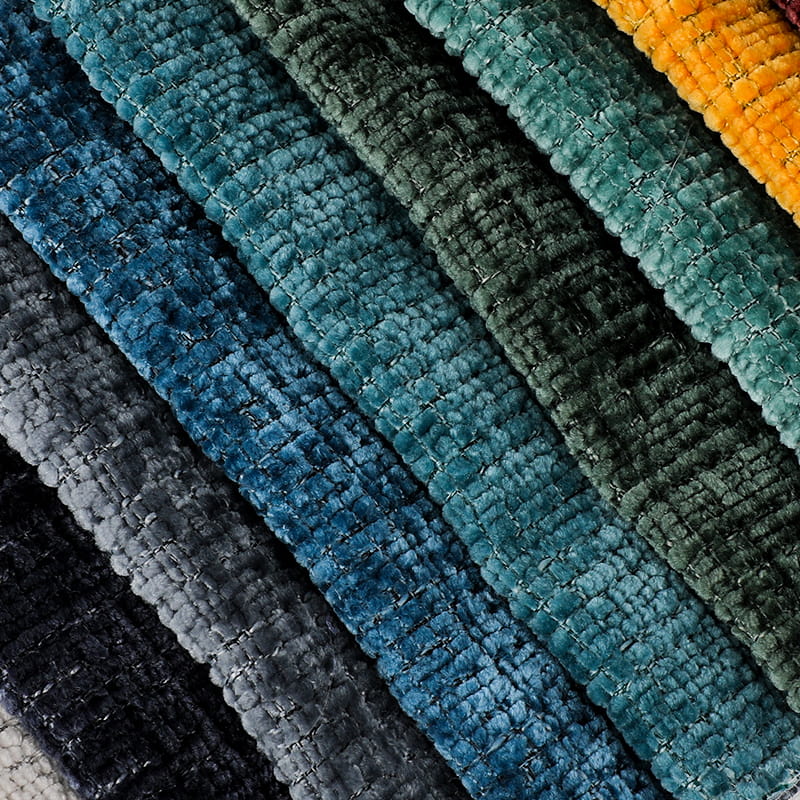
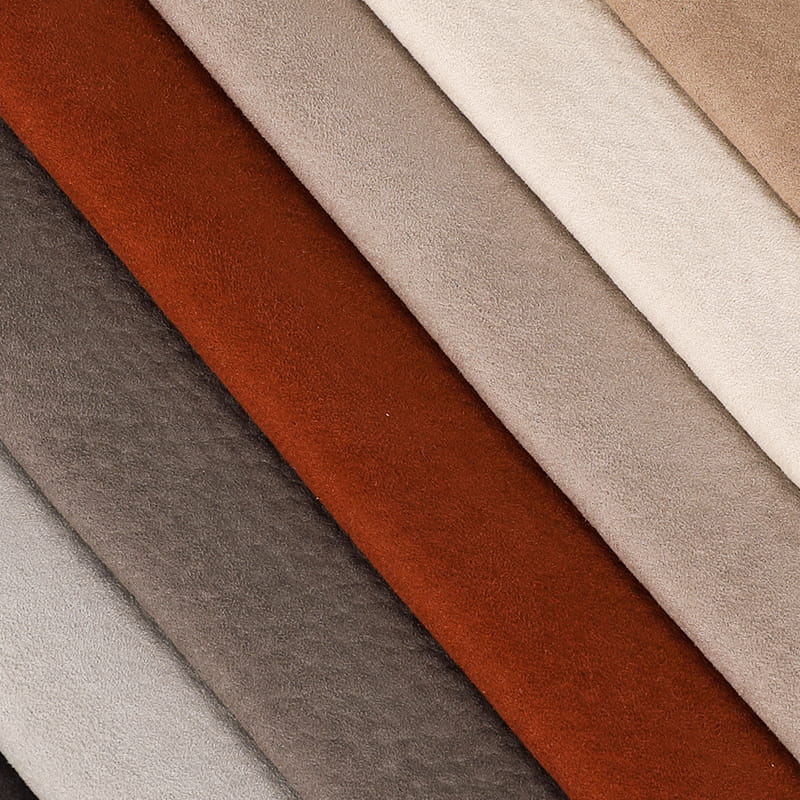
For those prioritizing softness and everyday practicality, microfiber and chenille are excellent base fabrics for embossing. Microfiber's ultra-fine synthetic strands create a suede-like feel, and when embossed, it takes on a sophisticated, tailored look that mimics much more expensive leathers. Chenille, with its caterpillar-like yarn construction, offers exceptional warmth. Embossed chenille often features deep, rounded patterns that feel incredibly plush, making it ideal for cozy, inviting seating arrangements.
Faux Leather Textures
Embossing is frequently used to elevate the aesthetic of synthetic leathers. By pressing alligator, ostrich, or geometric patterns into polyurethane (PU) or polyvinyl chloride (PVC) substrates, manufacturers can create highly realistic animal skin alternatives or avant-garde modern textures. These embossed faux leathers offer the sleek, easy-wipe maintenance of traditional synthetic leather but with significantly more visual interest and tactile grip, preventing the slippery feeling often associated with flat faux leathers.
| Base Fabric | Aesthetic Appeal | Durability Level | Ideal Use Case |
|---|---|---|---|
| Velvet | Luxurious, high contrast | Moderate | Formal living rooms, accent chairs |
| Microfiber | Tailored, subtle texture | High | Family rooms, high-traffic areas |
| Faux Leather | Edgy, realistic hide | Very High | Commercial spaces, modern interiors |
Design Integration and Styling
Incorporating an embossed sofa into an interior design scheme requires a nuanced approach. Because the fabric itself carries significant visual weight, the surrounding decor must be curated to complement rather than compete with the sofa's texture.
Harmonizing with Color Palettes
When working with embossed fabrics, it is generally advisable to stick to solid colors for the sofa itself. The embossing provides all the visual interest necessary, and adding a bold print on top of a three-dimensional texture can cause visual fatigue. Neutral tones such as charcoal, slate blue, or warm taupe allow the embossed pattern to be the star of the show. If you desire color, jewel tones like emerald or sapphire look particularly magnificent on embossed velvet, as the light catches the raised patterns and creates a luminous, multifaceted appearance.
Balancing Textures in the Room
The key to a well-styled living space is textural balance. An embossed sofa, which represents a heavy or complex texture, should be balanced with smoother, more reflective surfaces elsewhere in the room. Consider pairing a deeply embossed sofa with glass-topped coffee tables, sleek metal lighting fixtures, or rugs with a flat weave. This contrast prevents the room from feeling overly heavy or cluttered. Conversely, you can lean into a maximalist aesthetic by pairing embossed velvet with smooth silk accent pillows, creating a rich, layered environment that feels curated and luxurious.
Practical Considerations for Selection
Selecting the right embossed fabric requires looking beyond the initial appearance. A fabric's performance in a busy household depends heavily on its structural composition and finishing treatments.
Assessing Rub Count and Density
While the embossing process does not inherently weaken a fabric, the base cloth must be robust enough to support the texture. A high rub count remains the most reliable indicator of a fabric's longevity in a domestic setting. When evaluating options, prioritize base fabrics with a high double rub rating, ensuring the material can withstand the friction of people sitting and shifting over the years. Additionally, a dense base weave ensures that the embossed pattern remains crisp and does not flatten out prematurely under the weight of daily use.
Evaluating Pattern Scale and Proportion
The scale of the embossed pattern must be proportional to the piece of furniture it covers. A massive, oversized geometric embossment can overwhelm a delicate occasional chair, making it appear bulky and awkward. Conversely, a tiny, intricate floral embossment might get visually lost on a sprawling sectional sofa, appearing indistinguishable from a plain texture from a distance. Always request a sizable fabric swatch and drape it over the specific furniture piece to observe how the pattern scales in your actual living space and lighting conditions.
Backing and Stability
Examine the reverse side of the fabric. High-quality embossed upholstery will often feature a secure backing that locks the three-dimensional structure in place. If the embossing has been applied without adequate backing on a non-thermoplastic fiber, there is a risk that the pattern will "relax" or flatten out over time, especially in high-pressure areas like the seat cushions. A sturdy backing not only preserves the embossing but also adds structural integrity to the entire upholstery job.
Maintenance and Care Guidelines
Preserving the distinctive texture of embossed sofa fabric requires a slightly different approach than cleaning flat upholstery. Proper care will ensure the three-dimensional design remains crisp and vibrant for the lifespan of the furniture.
Routine Cleaning Practices
Regular maintenance is crucial for embossed fabrics because dust and debris can become trapped in the valleys of the pattern. Weekly vacuuming with a soft brush attachment is essential to pull particles out of the crevices before they can grind into the fibers and cause premature wear. When vacuuming, always follow the direction of the nap or pattern to avoid distorting the raised areas. Avoid using a beater bar, as the aggressive rotating motion can pull and snag the raised threads, particularly on embossed velvet or chenille.
Addressing Spills and Stains
Accidents are inevitable, but swift action can prevent permanent damage to the embossed texture. The golden rule is to blot, never rub. Rubbing a spill pushes the liquid deeper into the fabric's valleys and aggressively flattens the surrounding embossed peaks. Use a clean, absorbent microfiber cloth to gently dab the spill from the outside in. For stubborn stains, use a specialized upholstery cleaner formulated for your specific fabric type. Apply the foam gently, blot it away, and then use a hairdryer on a cool, low setting to dry the area. Heat styling on a cool setting helps to lift the nap back up, restoring the original three-dimensional texture.
- Immediately blot the spill with a clean, dry cloth to absorb excess liquid.
- Apply a fabric-appropriate cleaning solution to a hidden area to test for colorfastness.
- Gently dab the stained area without applying downward pressure that could crush the pattern.
- Rinse by dabbing with a cloth dampened with distilled water, if required by the cleaner.
- Dry the area using cool air to preserve the embossed structure.
Common Misconceptions
Despite their popularity, several misunderstandings regarding embossed sofa fabrics persist, often deterring potential buyers from making a confident purchase.
The Myth of Difficult Cleaning
A widespread misconception is that the textured surface of embossed fabric makes it impossible to clean. While it is true that the crevices require more attention during vacuuming than flat surfaces, the embossing actually acts as a camouflage for minor stains and discolorations. A slightly stained embossed sofa often looks cleaner than a pristine plain-weave sofa because the three-dimensional surface breaks up the visual continuity of the stain. Modern fabric protectants can also be applied during manufacturing, creating an invisible shield that causes liquids to bead up and roll off the raised surfaces before they can settle into the valleys.
The Fear of Pattern Flattening
Many consumers worry that the embossed design will disappear completely after a few months of use. While it is true that the highest peaks of the pattern may experience slight compression in direct contact areas, high-quality embossing on a durable base fabric is engineered to be permanent. The keys to preventing excessive flattening are rotating and flipping cushions regularly to distribute wear, and selecting a fabric with an appropriate density rating for the expected traffic level. Furthermore, the natural bounce-back of fibers like high-resilience polyester ensures that the pattern re-inflates once the pressure is removed.