English
 Español
Content
- What Makes Holland Velvet Fabric a Premium Textile Choice
- Material Composition and Manufacturing Process of Holland Velvet Fabric
- Key Performance Advantages of Holland Velvet Fabric
- Versatile Applications of Holland Velvet Fabric
- Comparison Between Holland Velvet and Other Velvet Types
- Professional Care and Maintenance Guide for Holland Velvet Fabric
- How to Select High-Quality Holland Velvet Fabric
- Future Development Trends of Holland Velvet Fabric
What Makes Holland Velvet Fabric a Premium Textile Choice
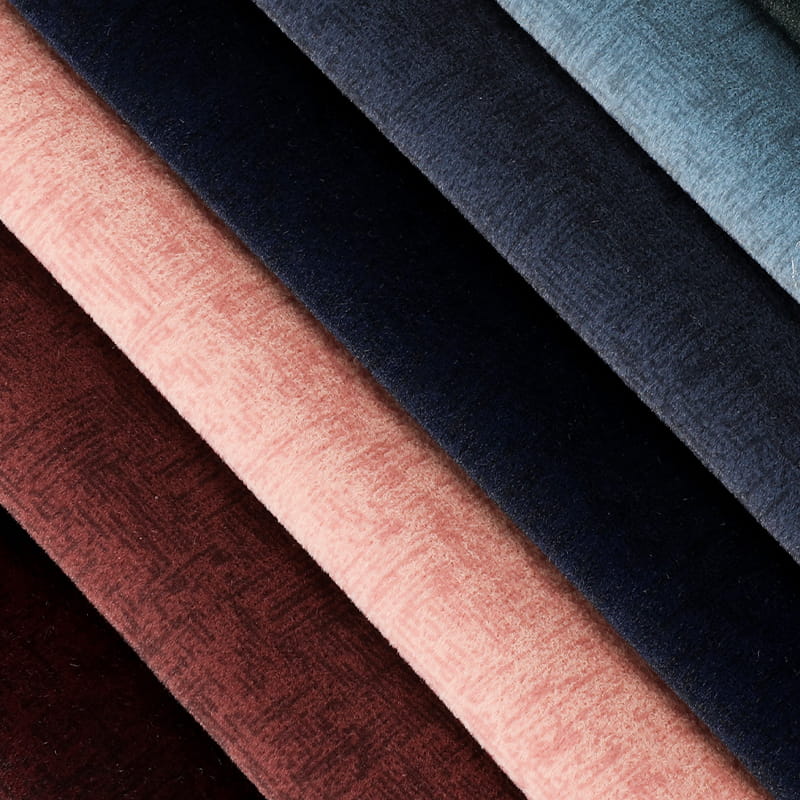
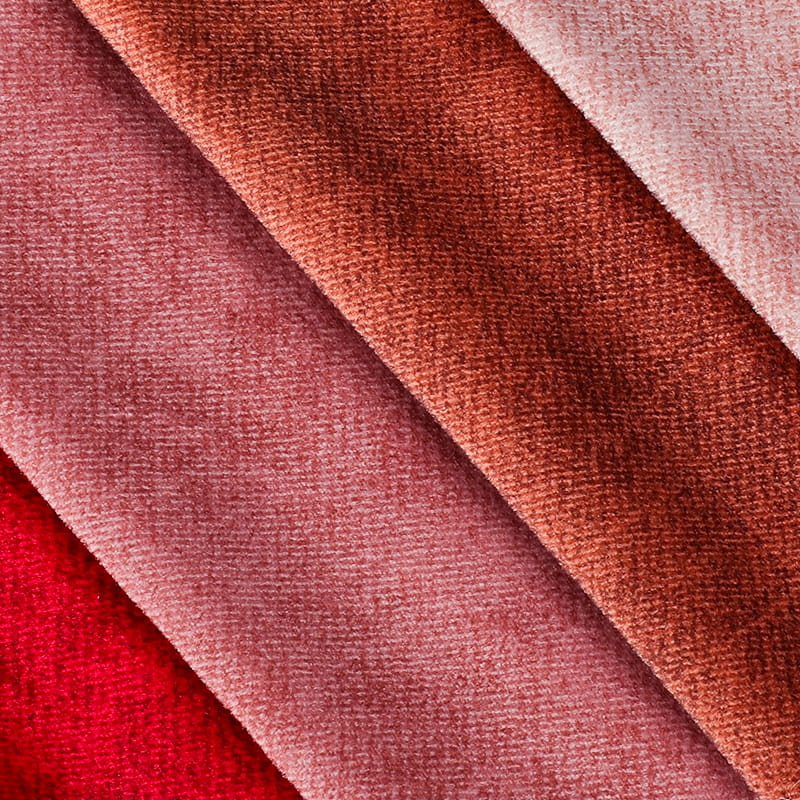
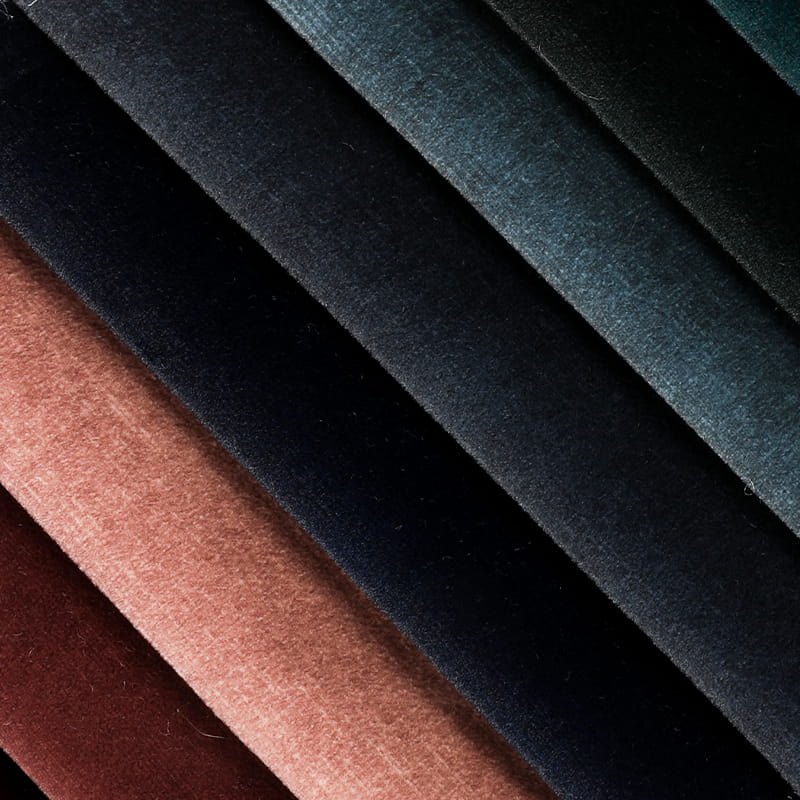
Holland velvet fabric is a high-density, woven velvet textile celebrated for its exceptional durability, luxurious matte finish, and outstanding color retention. Unlike flimsy velvets that shed or flatten easily, this fabric maintains its plush texture and structural integrity even with frequent use, making it the top choice for both residential and commercial heavy-duty applications. Its wear resistance reaches a professional-grade standard, and it balances softness and sturdiness perfectly, standing out as one of the most practical luxury fabrics on the market.
The defining characteristic of Holland velvet is its tight-weave construction, which eliminates common velvet flaws like pilling, fading, and shape distortion. It is highly adaptable to diverse environments, from high-traffic living rooms to busy office spaces, and offers superior comfort compared to ordinary upholstery fabrics. In short, Holland velvet fabric is not just a decorative material but a long-lasting investment in quality and aesthetics.
Material Composition and Manufacturing Process of Holland Velvet Fabric
Primary Fiber Components
Holland velvet fabric is primarily crafted from premium synthetic fibers, with polyester as the dominant base material. Some high-end variants blend small amounts of cotton or rayon to enhance softness and breathability, while retaining the core performance advantages of synthetic fibers. The pure polyester composition delivers the best overall performance, including wrinkle resistance, stain repellency, and color fastness that outperform natural fiber velvets.
The fiber fineness used in production is carefully controlled to create a dense pile surface. Each fiber is fine yet resilient, ensuring the fabric feels soft to the touch without being fragile. This specific fiber selection is the foundation of Holland velvet’s unique performance and appearance.
Specialized Manufacturing Techniques
The manufacturing process of Holland velvet is far more complex than standard velvet production. It starts with a double-cloth weaving method that creates two layers of fabric connected by vertical pile yarns. After weaving, the fabric is precisely cut to separate the two layers, forming an even, uniform velvet surface.
Key post-processing steps include heat setting, brushing, and dyeing. Heat setting locks the fabric’s shape and prevents shrinkage; brushing enhances the plushness of the pile, and advanced dyeing technology ensures deep, consistent color penetration. These processes boost the fabric’s durability by over 50% compared to conventional velvet, making it suitable for long-term use.
Quality Control Standards
Genuine Holland velvet undergoes strict quality inspections at every production stage. Manufacturers check for pile uniformity, color consistency, tensile strength, and abrasion resistance to meet international textile standards. Any fabric with uneven texture, loose threads, or color variations is rejected, ensuring every finished product meets premium quality benchmarks.
Key Performance Advantages of Holland Velvet Fabric
Exceptional Abrasion Resistance
The most prominent advantage of Holland velvet is its remarkable abrasion resistance. It can withstand thousands of cycles of friction without showing signs of wear, which is critical for high-traffic environments. Unlike other velvets that flatten or thin out with regular use, this fabric maintains its original thickness and plushness for years.
This performance makes it ideal for sofas, dining chairs, and commercial seating that experiences daily use. Families with children and pets can rely on Holland velvet to resist scratches, spills, and constant contact without deteriorating quickly.
Superior Color Fastness
Holland velvet fabric features industry-leading color fastness, resisting fading from sunlight, washing, and daily friction. Even after prolonged exposure to natural light, the fabric retains its vibrant hue without dulling or discoloration. This is a major improvement over traditional velvets, which often fade quickly when placed near windows.
The dye penetrates deep into the fiber structure rather than just coating the surface, creating a permanent bond that prevents color transfer or bleeding. This feature ensures furniture and decor made from Holland velvet stay visually appealing for extended periods.
Pill Resistance and Shape Retention
Pilling is a common issue with low-quality velvets, but Holland velvet’s tight weave and high-quality fibers eliminate this problem. It maintains a smooth, clean surface without forming loose fiber balls, even after extended use. Additionally, the fabric has excellent shape retention, resisting stretching, wrinkling, and sagging.
Upholstered items made from this fabric keep their tailored appearance, without loose fabric or distorted lines. This combination of pill resistance and shape retention reduces maintenance needs and extends the functional lifespan of the textile.
Softness and Tactile Comfort
Despite its heavy-duty construction, Holland velvet offers an incredibly soft and smooth tactile experience. The dense pile creates a luxurious, cushioned feel that is gentle against the skin, making it perfect for bedding, throw pillows, and upholstered furniture where comfort is a priority.
The fabric balances durability and comfort masterfully—sturdy enough for heavy use yet soft enough for direct contact. This unique balance is why it is preferred over both rough synthetic fabrics and delicate natural velvets.
Versatile Applications of Holland Velvet Fabric
Home Upholstery Applications
Holland velvet is the premier choice for residential upholstery, widely used for sofas, armchairs, ottomans, and dining chair cushions. Its luxurious appearance elevates the aesthetic of any room, from modern minimalist to classic traditional interiors. The fabric’s durability ensures furniture remains in pristine condition even with daily family use.
It is also a popular choice for headboards, adding a touch of elegance to bedrooms while providing a soft, comfortable surface for leaning. The wide range of available colors allows seamless integration with any interior design scheme.
Home Decor and Soft Furnishings
Beyond upholstery, Holland velvet enhances home decor through curtains, throw pillows, table runners, and bed linens. Velvet curtains made from this material offer excellent light diffusion and privacy, with a rich drape that adds sophistication to living spaces and bedrooms.
Decorative pillows and cushions made from Holland velvet are durable, fade-resistant, and easy to maintain, making them a practical yet luxurious decor element. The fabric’s matte finish creates a subtle, refined look that complements both bold and neutral interior palettes.
Commercial and Hospitality Use
The commercial sector relies heavily on Holland velvet for high-traffic spaces including hotels, restaurants, offices, and event venues. Hotel lobbies, guest room furniture, and restaurant seating all benefit from its durability and elegant appearance. It meets strict commercial textile standards for wear and stain resistance, making it a cost-effective long-term choice for businesses.
Event planners also use Holland velvet for banquet chair covers, backdrops, and drapery due to its luxurious look and ability to withstand repeated setup and use. Its color stability ensures consistent visual appeal for both permanent installations and temporary events.
Craft and Apparel Accents
Holland velvet is increasingly used in high-end craft projects and apparel accents. Its sturdy structure makes it suitable for handbags, tote bags, and decorative accessories that require both structure and softness. In fashion, it is used for luxury jackets, skirts, and costume design, offering a polished look without the high maintenance of traditional velvet.
Crafters value its ease of use and durability, as it cuts cleanly, sews smoothly, and holds its shape in finished projects. From home crafts to professional design work, it delivers consistent, high-quality results.
Comparison Between Holland Velvet and Other Velvet Types
Understanding the differences between Holland velvet and other velvet varieties helps you make informed purchasing decisions. The table below highlights the core differences in performance and suitability:
| Fabric Type | Durability | Color Fastness | Maintenance | Best Use |
|---|---|---|---|---|
| Holland Velvet | High | Excellent | Easy | Upholstery, Commercial Use |
| Silk Velvet | Low | Moderate | Difficult | Luxury Apparel |
| Cotton Velvet | Moderate | Low | Moderate | Light Home Decor |
| Standard Polyester Velvet | Moderate | Good | Easy | Basic Decor |
As shown in the comparison, Holland velvet outperforms other velvets in durability and practicality. Silk velvet offers unmatched luxury but is fragile and high-maintenance, while cotton velvet fades easily and lacks structural stability. Standard polyester velvet is affordable but cannot match Holland velvet’s density and wear resistance.
Holland velvet is the only option that combines luxury, durability, and low maintenance, making it superior for long-term use in both homes and commercial spaces. This unique combination explains its growing popularity over other velvet varieties.
Professional Care and Maintenance Guide for Holland Velvet Fabric
Daily Cleaning and Dust Removal
Daily maintenance is simple and ensures Holland velvet retains its beauty for years. Regular dusting with a soft-bristled brush or low-suction vacuum removes surface dust and prevents particles from embedding in the pile. Weekly light cleaning is sufficient to keep the fabric fresh and prevent dirt buildup.
Avoid using stiff brushes or high-suction vacuums, as these can damage the pile fibers. Gentle, consistent cleaning is the key to preserving the fabric’s texture and appearance.
Stain Removal Techniques
Holland velvet’s dense structure makes it naturally stain-resistant, but immediate action is required for spills. Blot spills gently with a clean, absorbent cloth—never rub, as this pushes the liquid deeper into the fibers and causes spreading.
For water-based stains, use a mild detergent mixed with cold water and apply sparingly with a soft cloth. For oil-based stains, use a specialized fabric cleaner designed for velvet. Always test cleaners on an inconspicuous area first to ensure no discoloration.
Deep Cleaning and Refreshing
Deep cleaning is recommended annually for heavily used items. Professional dry cleaning is the safest method to preserve color and texture, as machine washing can damage the pile. If hand washing is necessary, use cold water and mild detergent, and avoid wringing or twisting the fabric.
After cleaning, air dry the fabric flat away from direct sunlight and heat sources. Once dry, gently brush the pile in one direction to restore its plush, uniform appearance.
Long-Term Preservation Tips
- Avoid prolonged exposure to direct sunlight to maintain color vibrancy
- Rotate cushions and pillows regularly to ensure even wear
- Keep sharp objects away to prevent snags and fiber damage
- Use fabric protectors designed for velvet to enhance stain resistance
Following these maintenance steps ensures your Holland velvet products retain their luxurious look and performance for a decade or longer. Proper care maximizes the fabric’s lifespan and protects your investment in high-quality textiles.
How to Select High-Quality Holland Velvet Fabric
Visual Inspection Criteria
High-quality Holland velvet has a uniform, dense pile with no visible gaps, unevenness, or loose threads. The color should be consistent across the entire fabric surface with no streaks, spots, or fading. Run your hand across the surface—quality fabric has a smooth, even feel with no rough patches.
Check the fabric back for a tight, stable weave. A flimsy backing indicates low-quality construction that will stretch or deteriorate quickly. Premium Holland velvet has a substantial weight and structured feel when held.
Tactile Evaluation Methods
Touch is a reliable way to assess quality. Genuine Holland velvet is soft yet firm, with a plush feel that springs back when pressed. Low-quality variants feel flat or overly floppy and do not recover their shape quickly. Test the fabric by gently pulling it—quality fabric shows minimal to no stretching.
Rub the fabric lightly to test for pilling or color transfer. Premium Holland velvet will not shed fibers, leave color on your hand, or form pills with gentle friction.
Performance Verification
Reputable suppliers provide performance specifications for abrasion resistance, color fastness, and composition. Verify these details to ensure the fabric meets your needs. For upholstery, choose variants with high abrasion ratings for long-term durability.
Request fabric samples before making large purchases to test texture, color, and performance in your actual environment. This ensures the fabric matches your expectations in terms of look, feel, and functionality.
Future Development Trends of Holland Velvet Fabric
Sustainable and Eco-Friendly Innovations
The textile industry is shifting toward sustainability, and Holland velvet production is following suit. Manufacturers are developing recycled polyester versions of the fabric, using post-consumer plastic bottles to create high-quality fibers without compromising performance. These eco-friendly variants offer the same durability as traditional Holland velvet while reducing environmental impact.
Waterless dyeing technologies and low-carbon manufacturing processes are also being adopted to minimize resource consumption and pollution. These innovations make Holland velvet a more sustainable choice for environmentally conscious consumers and businesses.
Enhanced Functional Properties
Future Holland velvet fabrics will feature advanced functional properties including waterproofing, antibacterial treatment, and flame resistance. These enhancements expand its use in specialized environments such as healthcare facilities, outdoor spaces, and high-safety commercial areas.
Improved breathability is another focus, making the fabric more comfortable for year-round use. These functional upgrades maintain the fabric’s luxurious appearance while boosting practicality for diverse applications.
Design and Aesthetic Evolution
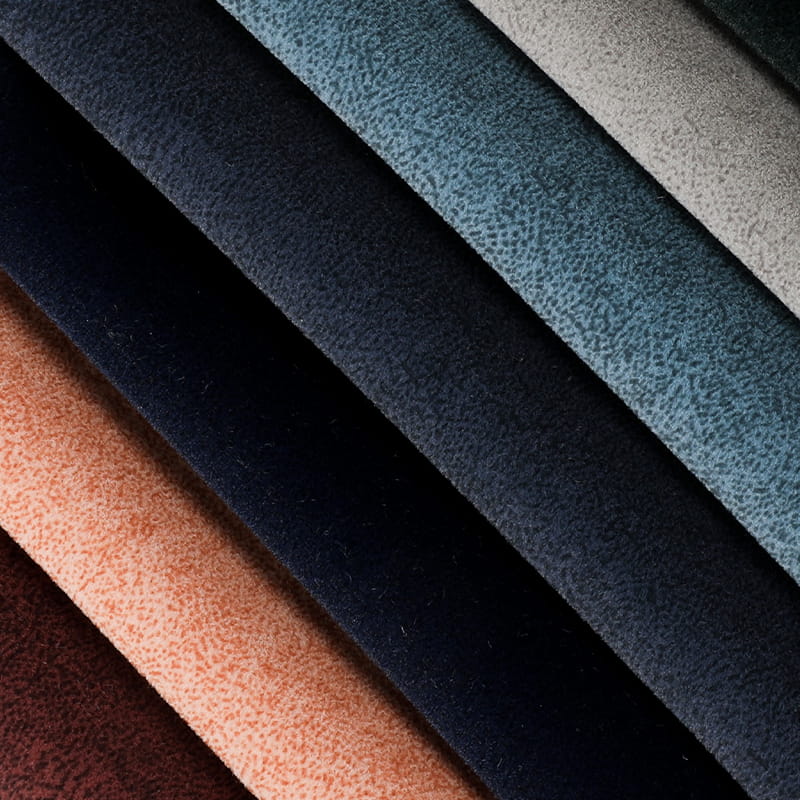
Design trends for Holland velvet include expanded color ranges, subtle texture patterns, and customizable finishes. Modern consumers prefer versatile, understated luxury, and manufacturers are responding with muted tones, textured weaves, and matte-sheen variations.
Digital printing technology allows for intricate, personalized designs while maintaining fabric performance. This combination of classic luxury and modern design ensures Holland velvet remains relevant in evolving interior and fashion trends.