English
 Español
Content
The Definitive Verdict on Embossed Sofa Fabric
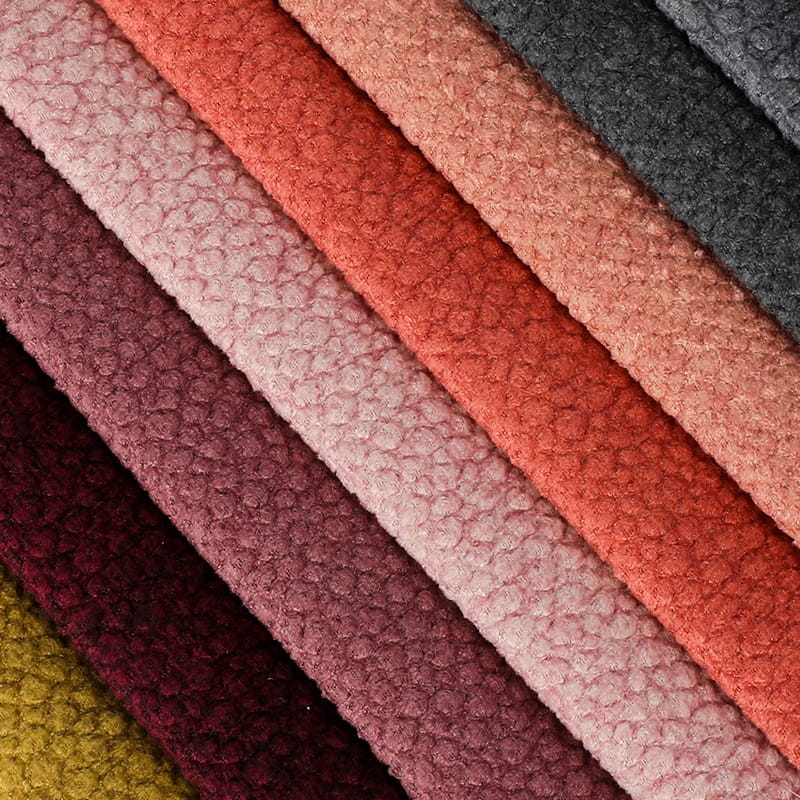
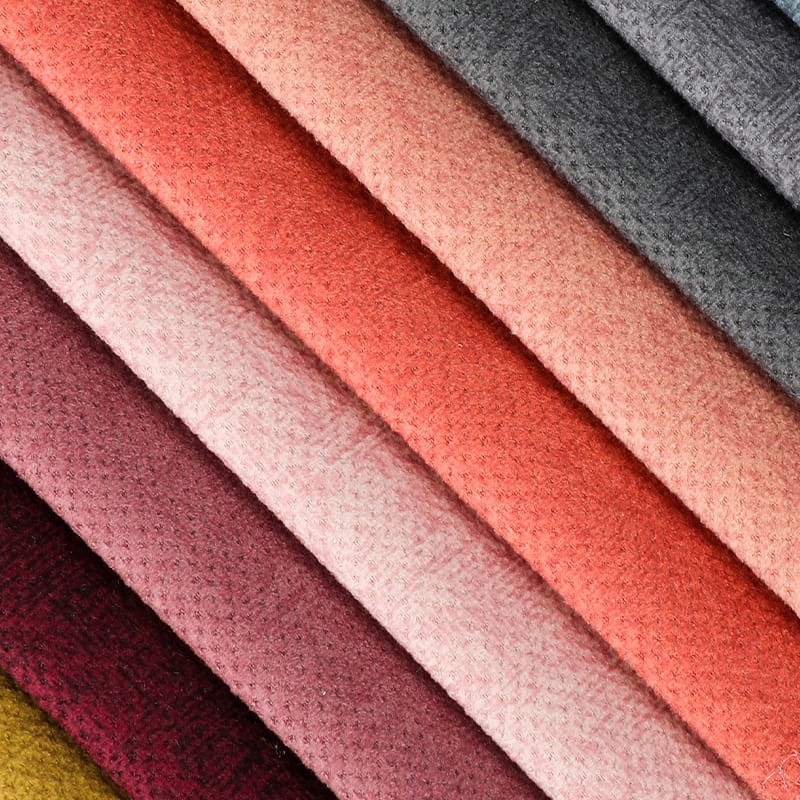
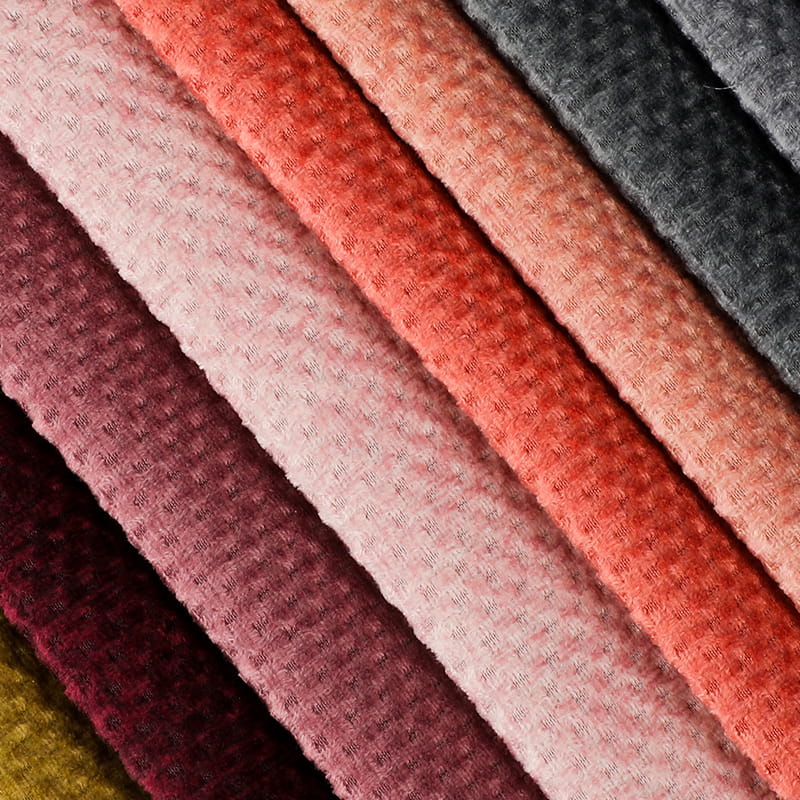
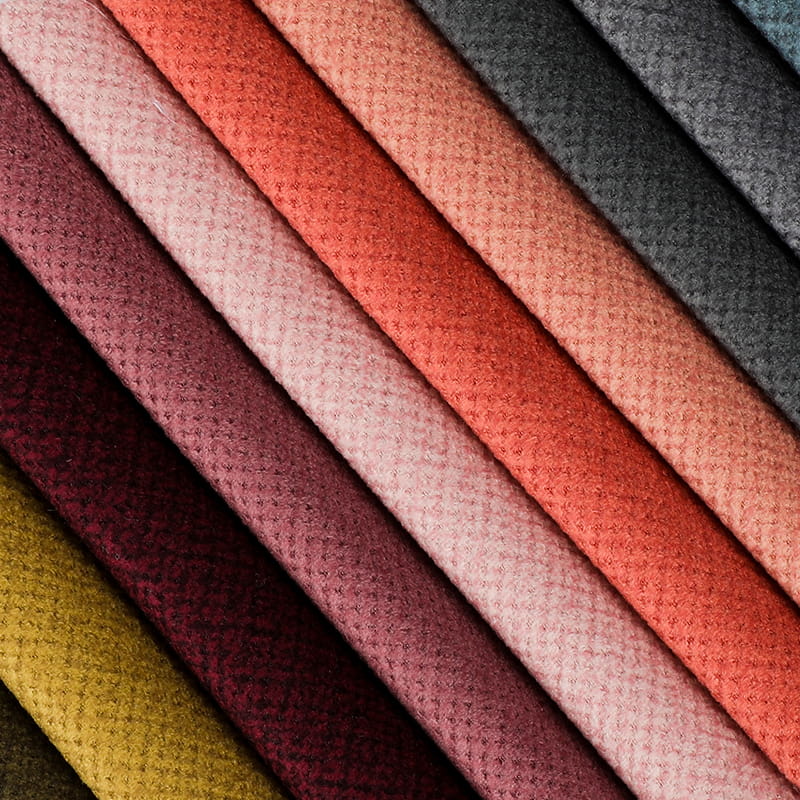
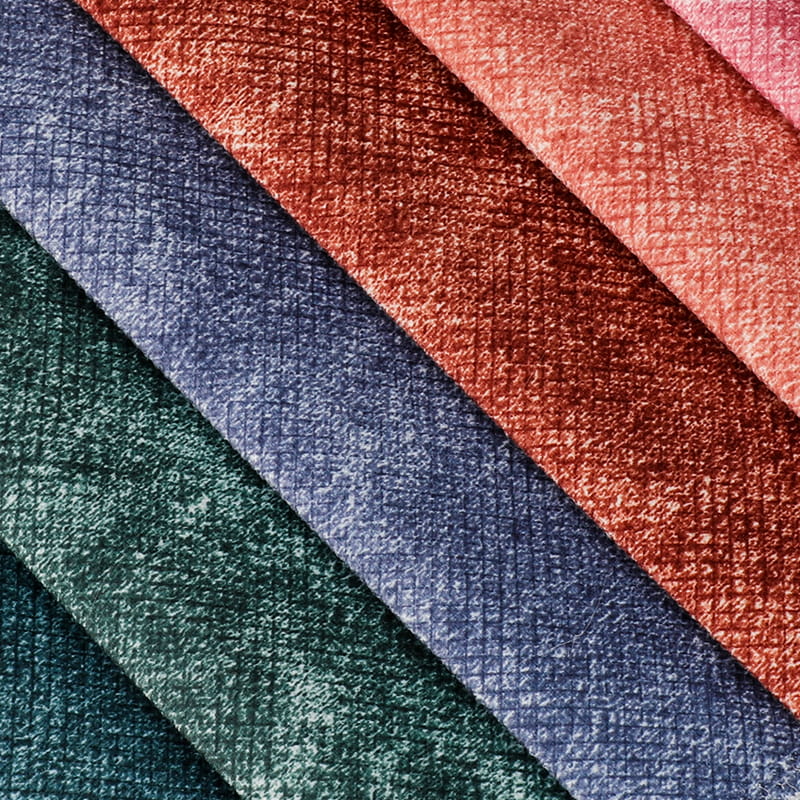
Embossed sofa fabric stands out as a superior choice for those seeking a blend of aesthetic sophistication and practical resilience. Unlike flat textiles, this material undergoes a specialized manufacturing process to create a three-dimensional surface pattern. The result is a fabric that not only captivates the eye with its depth and shadow play but also offers enhanced durability. The embossing process effectively seals the fabric surface in specific areas, making it more resistant to wear and tear while cleverly masking minor soiling or indentation marks that would be glaringly obvious on smooth surfaces. For homeowners and designers prioritizing long-term value and visual intrigue, embossed fabric is the definitive solution.
Understanding the Manufacturing Process
To appreciate the value of this textile, one must understand how it is made. The term "embossed" refers to a finishing process that alters the surface structure of the fabric. This is typically achieved through two primary methods: heat pressing and chemical application.
- Heat Pressing (Calendering): This involves passing the fabric through heated rollers engraved with specific patterns. Under high temperature and pressure, the fabric fibers are permanently reshaped. This method is common in synthetic materials like velvet or suede finishes.
- Chemical Embossing: In this technique, a chemical paste is printed onto the fabric in a specific design. When exposed to heat, the treated areas contract or expand differently from the untreated base, causing the surface to rise or fall in a relief pattern.
These processes ensure that the pattern is not merely printed on the surface but is an integral part of the fabric's structure. This integration means the design will not fade or peel away over time, ensuring permanent textural integrity.
Key Advantages for Interior Design
Choosing an embossed fabric for a sofa goes beyond just picking a color. It introduces a multitude of functional benefits that directly impact the user experience and the longevity of the furniture piece.
Visual Depth and Aesthetic Appeal
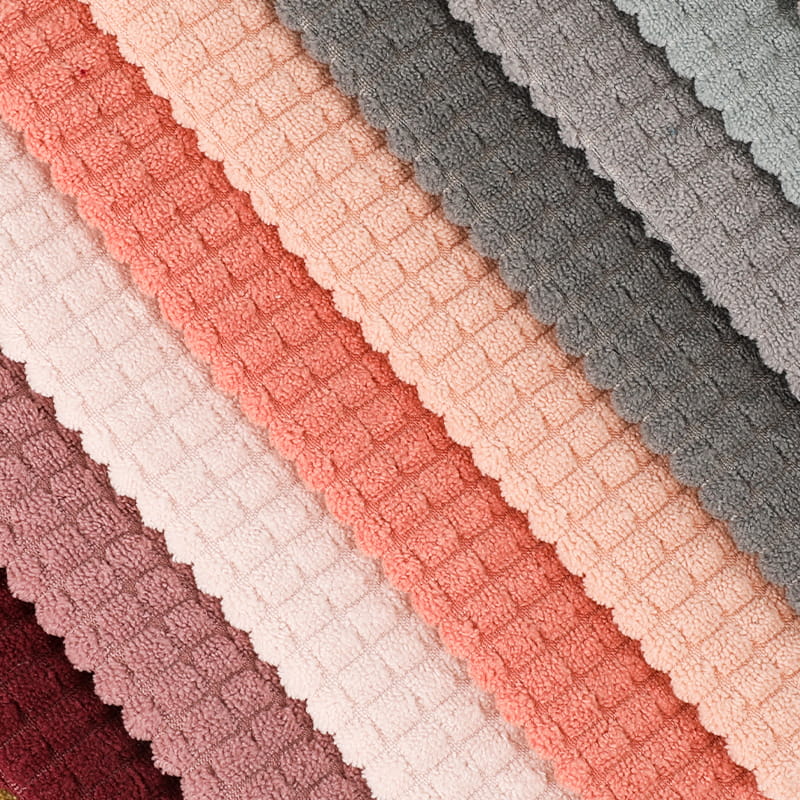
The most immediate benefit is the aesthetic dimension. A flat fabric absorbs light uniformly, which can appear dull under certain lighting conditions. An embossed surface, however, interacts with light dynamically. High points catch the light while troughs create shadows, giving the sofa a living, breathing quality. This is particularly effective in monochromatic rooms where texture becomes the primary design language.
Camouflaging Wear and Tear
In high-traffic living areas, sofas are subject to constant friction. Smooth fabrics often develop shiny patches or "glazing" where the fibers have flattened out from use. Embossed fabrics are naturally structured to hide these imperfections. The variance in pile height distracts the eye from localized wear, making the sofa look newer for longer.
Comparative Analysis: Embossed vs. Flat Fabrics
When selecting upholstery, the choice often boils down to texture. Below is a comparison of how embossed fabrics stack up against traditional flat weaves.
| Feature | Embossed Fabric | Standard Flat Fabric |
|---|---|---|
| Visual Depth | High (3D Effect) | Low (Uniform Surface) |
| Wear Disguise | Excellent | Poor |
| Cleaning | Requires Brushing | Simple Wiping |
| Tactile Feel | Varied/Rich | Consistent/Smooth |
Popular Types of Embossed Materials
Embossing can be applied to various base fabrics, each offering a distinct feel and look. The choice of base material significantly influences the final performance of the sofa.
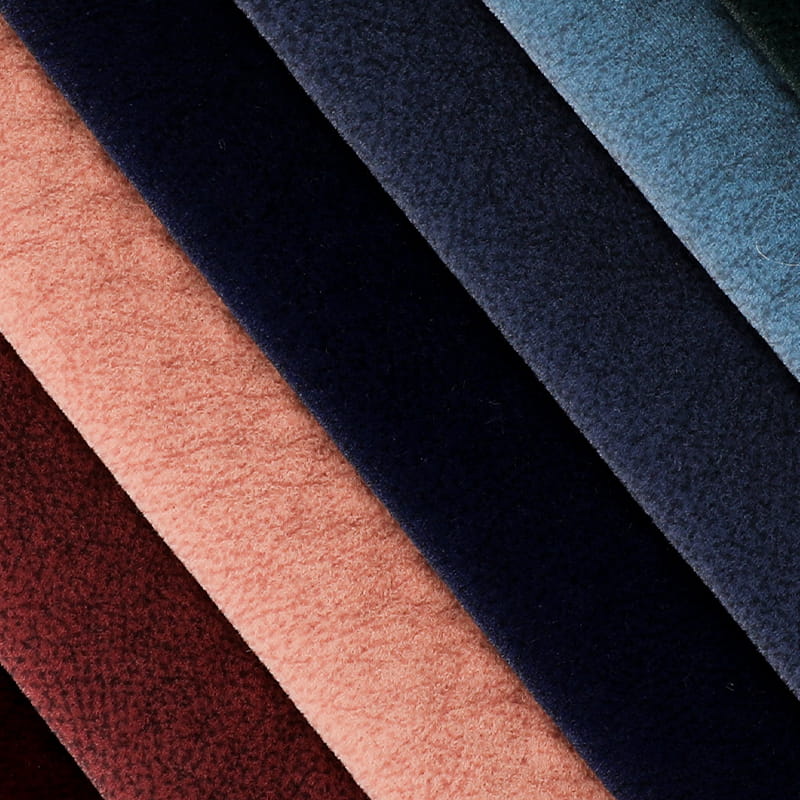
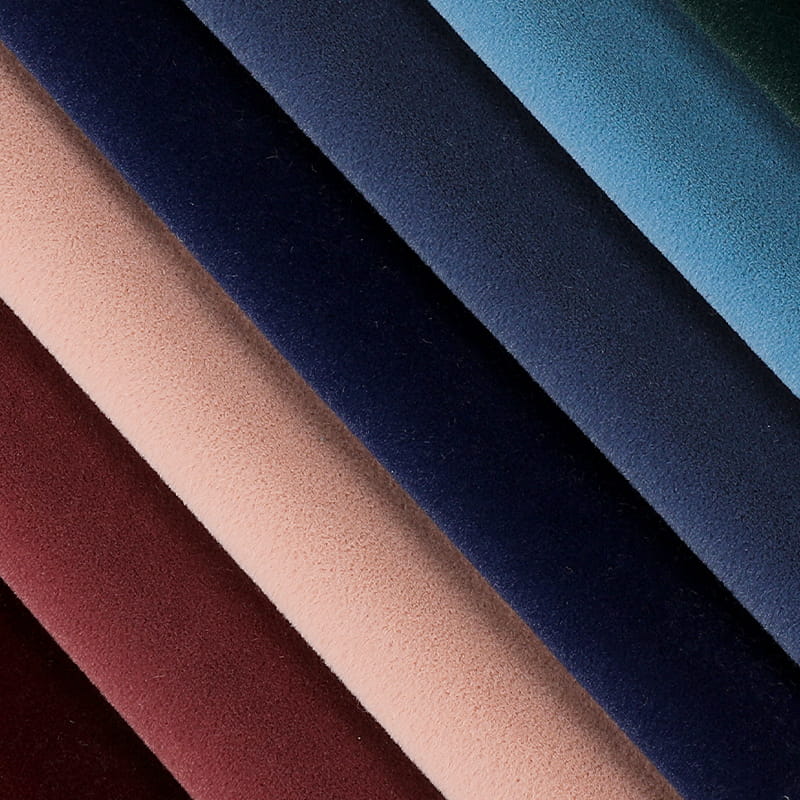
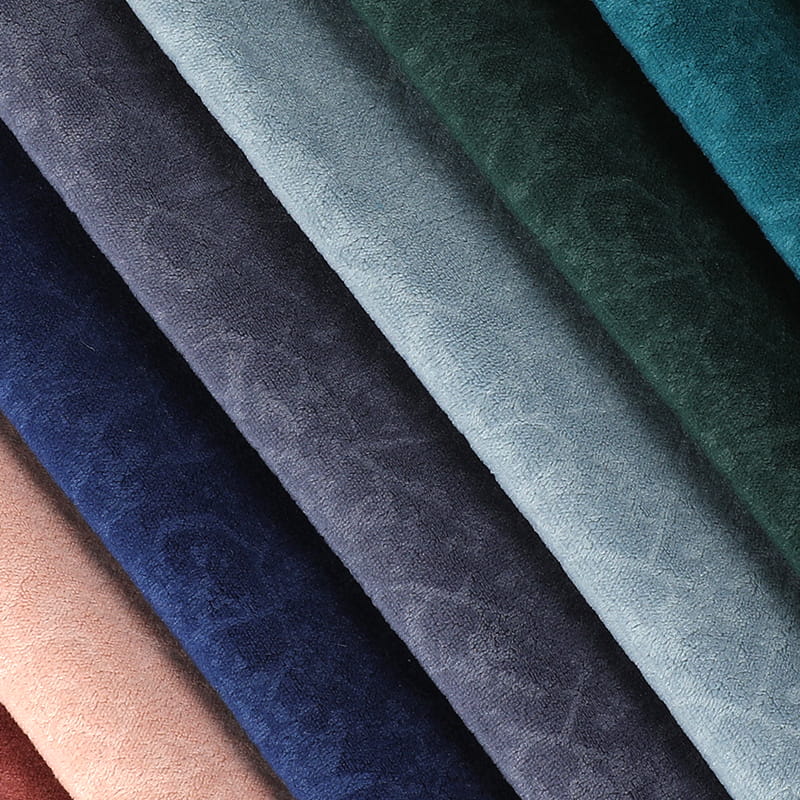
- Embossed Velvet: Perhaps the most luxurious option. The contrast between the cut pile and the uncut loops creates a stunning sheen difference. It feels soft to the touch and adds a layer of opulence to formal living rooms.
- Technical Faux Leather: Embossing is used here to simulate the natural grain of animal hide or create exotic patterns like crocodile or geometric pitting. This material is highly durable and easy to wipe clean, making it ideal for commercial spaces.
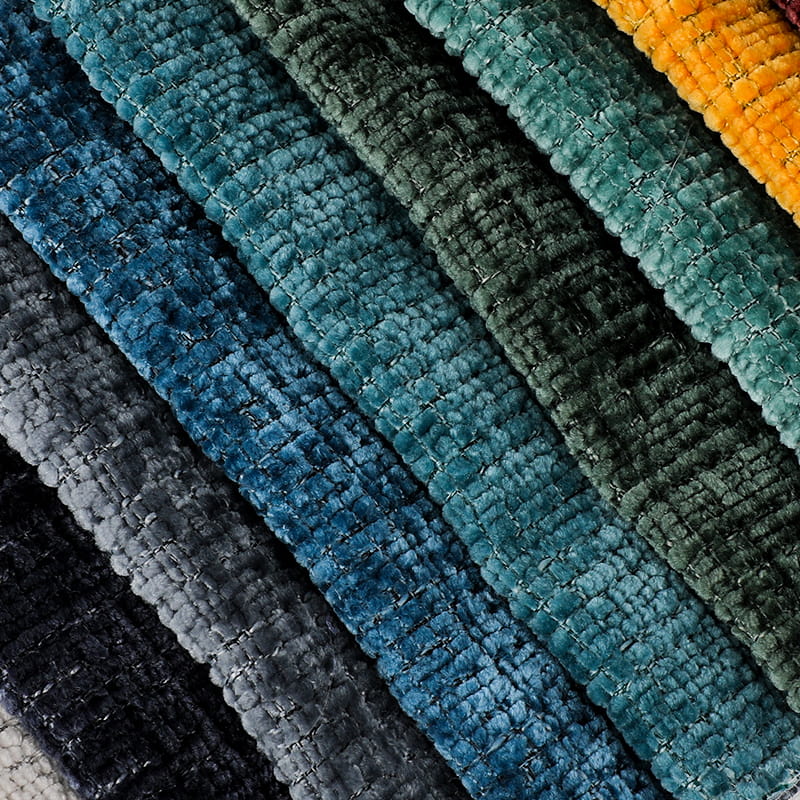
- Textured Chenille: Chenille already has a soft feel, and embossing adds a structural weight to it. This is often used for family sofas where comfort is the priority.
Selecting the Right Pattern Scale
Not all embossed patterns are created equal. The scale of the design—meaning the size of the motifs—should be chosen based on the size of the sofa and the room.
Small-Scale Geometric Patterns
Patterns such as micro-dots or fine lines are versatile. They add texture without overwhelming the eye. This scale is perfect for smaller sofas or compact rooms, as it helps the furniture blend seamlessly into the background rather than dominating the visual space.
Large-Scale Floral or Abstract Motifs
These are statement pieces. A large, embossed damask or paisley pattern demands attention. This type of fabric is best suited for large, sectional sofas in spacious rooms. It anchors the room and serves as a focal point, but it requires a confident design hand to ensure it does not clash with other elements.
Maintenance and Care Guidelines
To maintain the distinct appearance of embossed fabric, specific care routines are necessary. Improper cleaning can flatten the texture, ruining the intended effect.
- Regular Vacuuming: Use a soft brush attachment. Dust tends to settle in the "valleys" of the embossed design. If not removed regularly, this dust can act as an abrasive, wearing down the fibers when compressed.
- Spot Cleaning: When spills occur, blot immediately. Do not rub. Rubbing can permanently flatten the embossed ridges. Use a clean, dry cloth to absorb the liquid gently.
- Texture Revival: Over time, sitting may cause the embossed pattern to flatten slightly. Use a soft-bristled clothes brush to gently fluff up the fibers, brushing against the nap to restore the three-dimensional volume.
Application Scenarios
The versatility of embossed fabric allows it to fit into various interior styles. Understanding where it fits best can guide a purchase decision.
- Modern Minimalist Homes: Here, tone-on-tone embossing works best. For example, a grey fabric with a slightly darker grey geometric emboss adds interest without adding visual noise.
- Classic or Vintage Interiors: Embossed velvets with baroque or floral patterns complement antique furniture and rich wood tones, reinforcing a sense of history and grandeur.
- Commercial Lobbies: Faux leather with a heavy emboss is practical here. It withstands heavy usage and the texture helps hide scuffs from shoes or bags.