English
 Español
Content
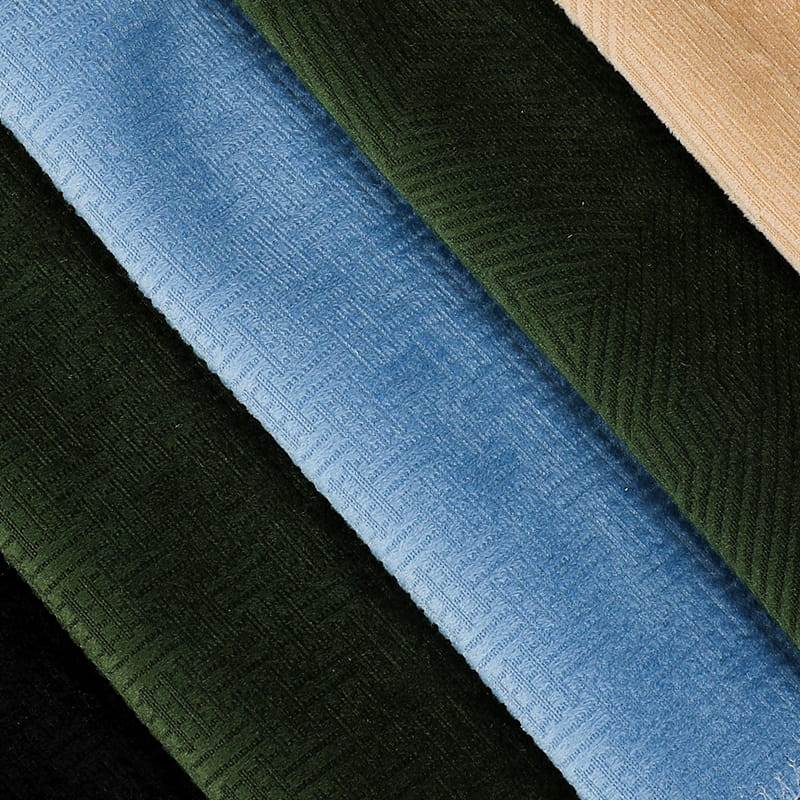
At the Intertextile Shanghai Home Textile Fair, buyers run a fingernail across a fabric swatch before they ask about price. That gesture separates flat printed textiles from 3D textured sofa fabric: a construction group where the pile, weave, or finish creates physical surface relief rather than an optical imitation. Raised texture hides daily scuff marks, changes how a sofa reflects light, and gives a furniture line a defensible reason to price higher.
This guide covers the definition of the material, the five production routes that create it, the abrasion data you should request, and how to specify 3D textured sofa fabric when ordering direct from a mill. The focus is the physical textile for sofas and seated furniture, not the digital texture maps used in 3D rendering software, although a qualified supplier can provide photo-matched digital assets for both.
What Defines a 3D Textured Sofa Fabric?
A 3D textured sofa fabric is an upholstery textile whose surface relief is engineered during weaving, printing, or finishing, rather than printed as a flat illusion. The measurable distinction is surface height: across the pattern repeat, height changes by roughly 0.3 to 1.2 mm, and that physical variation drives the tactile response that upholsterers describe as tactile depth.
3D textured sofa fabric: a woven or knitted upholstery material with deliberately engineered surface-height differences, produced by embossing, burnout, jacquard construction, boucle looping, or velvet pile variation, and typically specified from 100 to 500 gsm with a finished width of 100 to 300 cm.
Technical parameters separate a serious specification from a decorative impulse. A 300 gsm embossed velvet behaves differently from a 300 gsm flat twill because compressed and un-compressed pile zones absorb dye differently, reflect light differently, and abrade at different rates. Width and gsm also determine yield: a standard three-seat sofa consumes roughly 10 to 12 meters of 140 cm fabric, while a modular sectional can require 18 to 25 meters depending on the design.
Five Construction Methods Behind 3D Textured Sofa Fabric
Five production routes account for nearly all commercial 3D textured sofa fabric, and each carries different consequences for durability, cost, and daily maintenance.
- Embossing. A heated engraved roller compresses pile under pressure, creating recessed motifs beside a raised background. Frosted, ultrasonic, and glue embossing are common variants. Typical embossing depth is 0.4 to 0.8 mm, and this is the most cost-efficient way to add texture to a standard velvet without changing its weave geometry.
- Burnout, or devore. A chemical paste dissolves one fiber component in a blended fabric, leaving translucent or sheer zones next to intact pile. The result is a high-contrast 3D effect, but the etching thins the base, so burnout is best reserved for accent seating.
- Jacquard weaving. The loom controls warp and weft yarns individually, building raised motifs directly into the structure. Jacquard relief survives cleaning and abrasion better than surface-applied embossing because the depth is woven, not pressed.
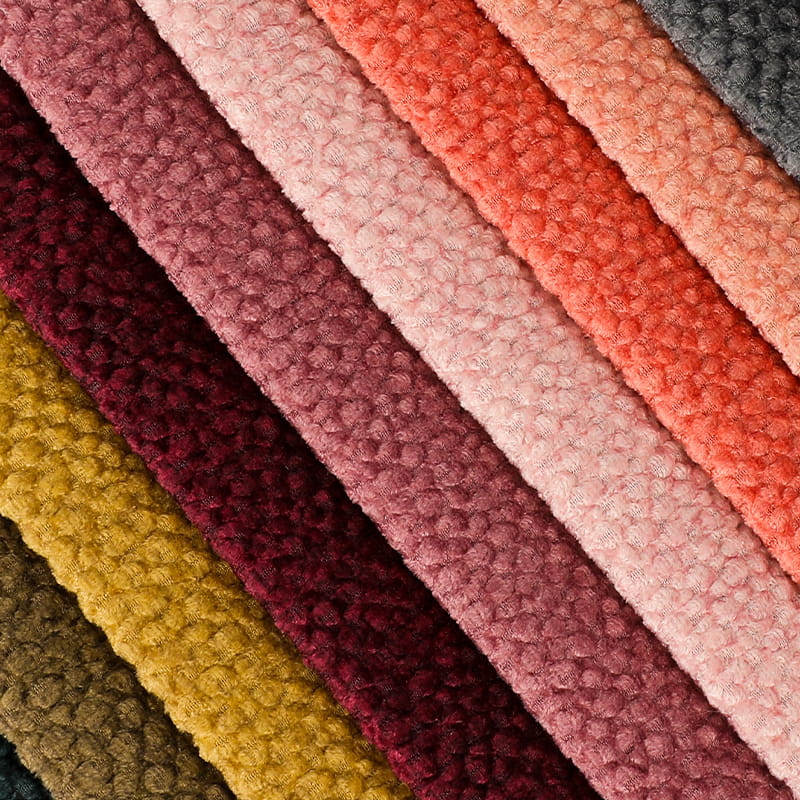
- Boucle looping. Loop yarns curl above the ground weave, producing a springy, curly surface. Boucle is usually blended with wool or worsted yarns and is the most pet-claw-resistant of the five types.
- Pile engineering in warp-knitted velvet. Velvet made on warp knitting machines can be sheared, brushed, or engraved at controlled heights. Mills can vary pile height in stripes, jacquard silhouettes, or all-over reliefs.
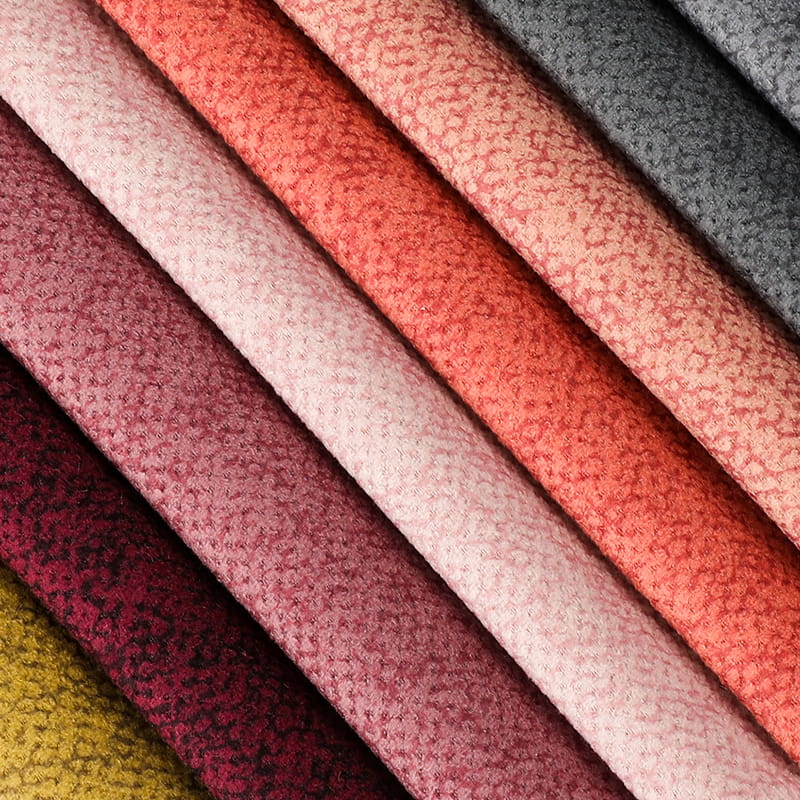
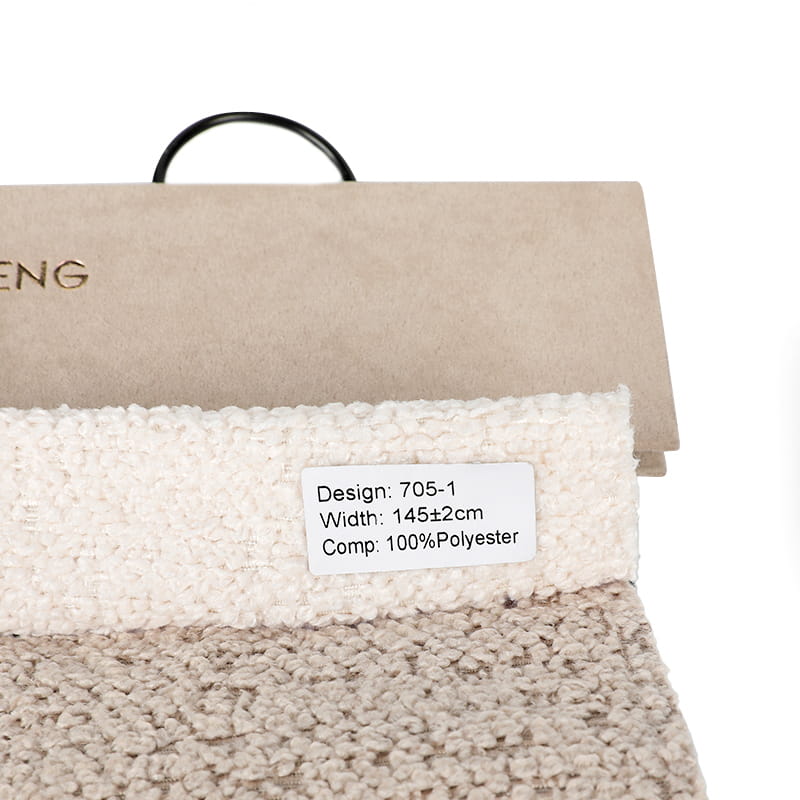 Boucle Teddy Bear Sofa Fabric with 3D TextureThis boucle teddy bear fabric provides a distinctive 3D texture for sofa upholstery. Evaluate its pile height against the recommended depths to confirm it suits durable seating rather than purely decorative use.View Product →
When you compare 3D textured sofa fabric options, request the embossing depth or pile height for every reference. A texture that measures under 1.0 mm behaves like durable upholstery; a texture above 1.5 mm behaves like decoration.
Durability Data for 3D Textured Sofa Fabric
Embossed velvet and structural jacquard typically outlast flat printed fabric at the same base weight, while boucle fails at loop junctions and burnout offers the least abrasion resistance because etching thins the substrate. The accepted contract threshold for upholstery is 30,000 Martindale cycles.
| Construction | Surface Height Gain | Martindale | Best Seating Use |
| Embossed velvet | 0.4-0.8 mm | 35,000 | Family sofas |
| Jacquard weave | 0.5-1.0 mm | 40,000 | Contract seating |
| Boucle loops | 1.0-2.0 mm | 25,000 | Pet-friendly rooms |
| Burnout velvet | 0.3-0.6 mm | 28,000 | Accent chairs |
| Flat printed | 0 mm | 20,000 | Low-traffic decor |
These figures assume a solid-color 300-400 gsm polyester base with a standard finishing route. A mill's test report is the only reliable comparison tool, since coating weight, pile density, and dye penetration each shift the result.
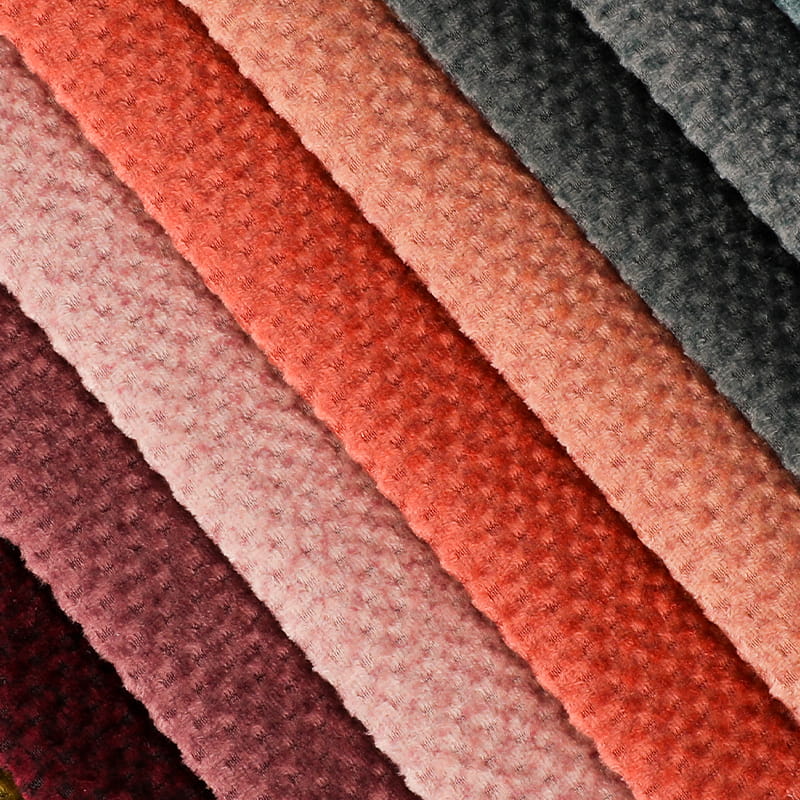
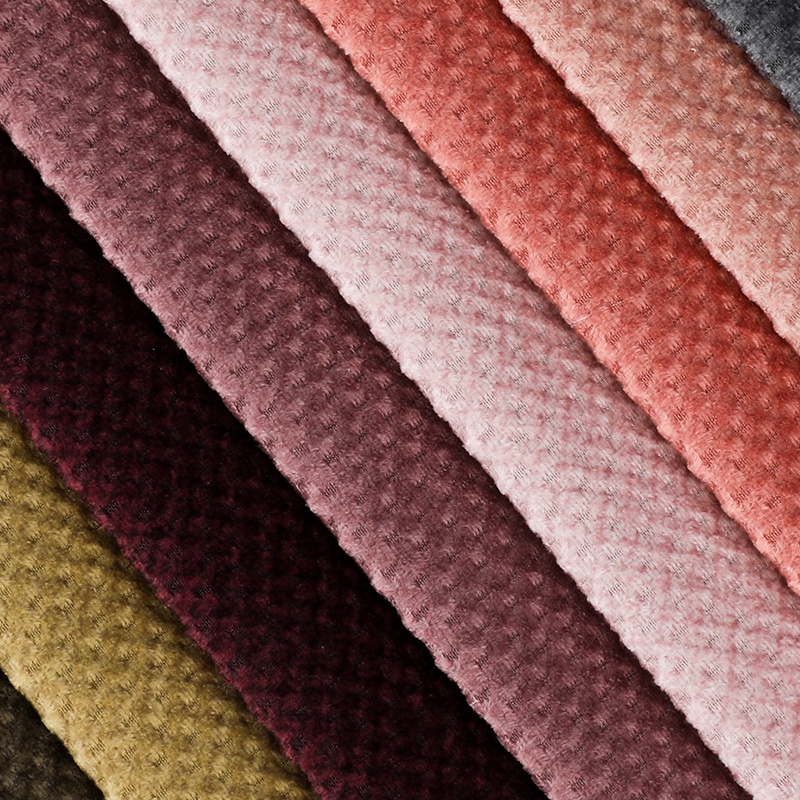
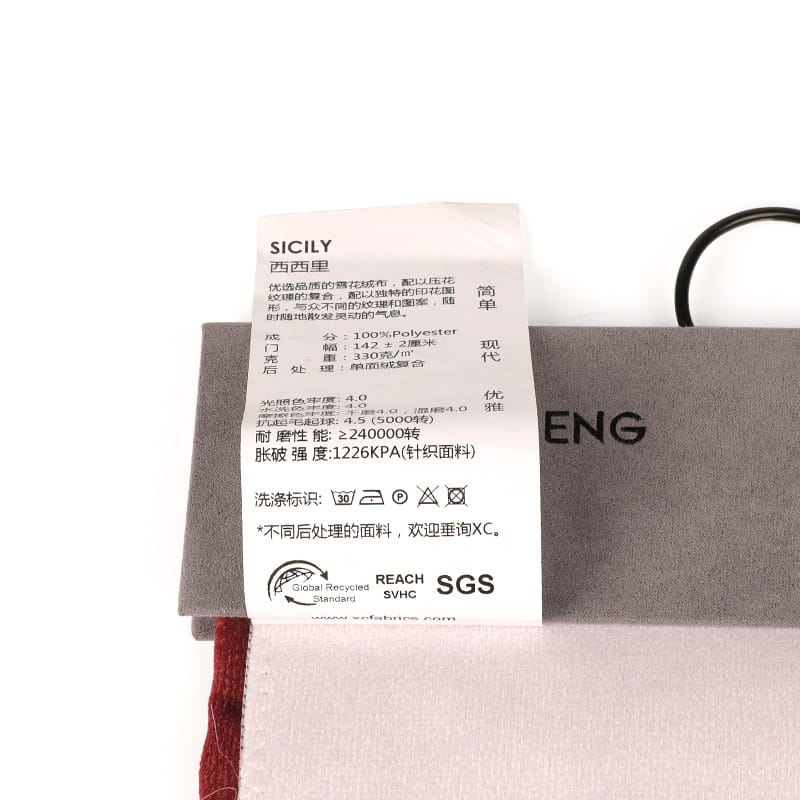 Embossed Texture Snowflake Velvet Sofa FabricFeaturing an embossed snowflake pattern, this velvet fabric delivers a decorative 3D look. Without a Martindale report, it suits accent chairs in low-traffic areas more than high-contact family seating.View Product →
Match the 3D Texture to the Sofa's Real-Life Use
Select the construction by where the sofa will live. High-contact family seating needs a low-profile, compression-resistant texture; an accent chair in a low-traffic corner can tolerate deeper pile and fragile burnout motifs.
The durability figures group these constructions by abrasion performance, but real-world behavior adds two variables: how often the seat is used and how much the design tolerates pile crushing. A family room sofa accumulates several hundred sitting hours per year; a bedroom bench may accumulate less than fifty.
Family living and daily seating
- Embossed velvet or jacquard weave
- 300-410 gsm range
- Martindale 30,000 cycles minimum
- Fleece backing for structure
- Waterproof or wipe-clean finishing
Accent chairs and bedroom seating
- Burnout, boucle, or deep-pile velvet
- 250-370 gsm range
- Martindale 20,000-30,000 accepted
- Pongee backing for lighter drape
- Professional cleaning preferred
The most common specification error is choosing a texture for its looks without checking compression recovery. Press the sample with a thumb for five seconds; if the pile does not spring back within a few seconds, it will flatten on the seat cushion within six months of daily use.
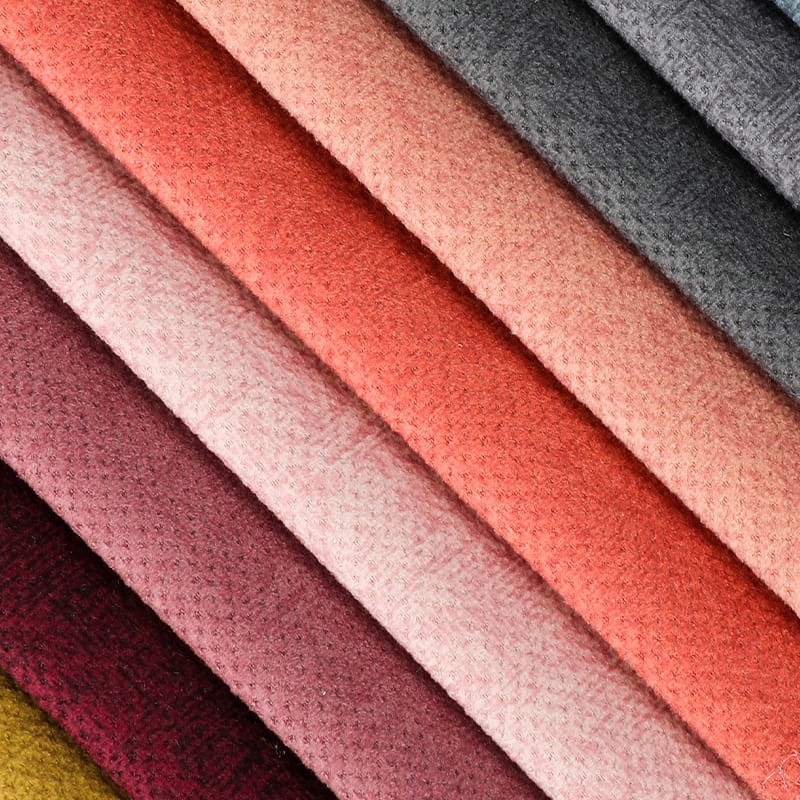
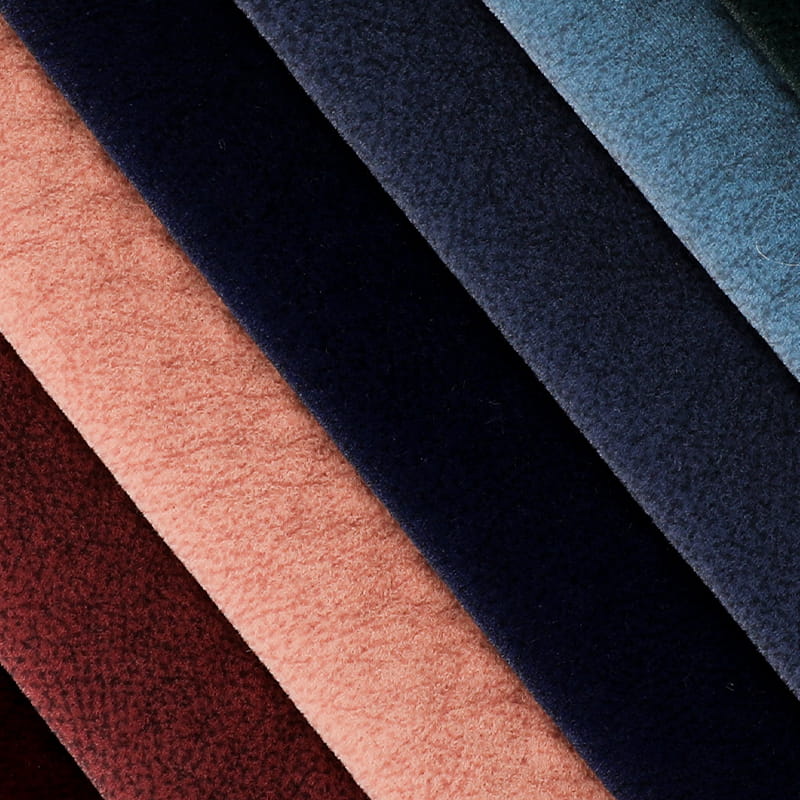
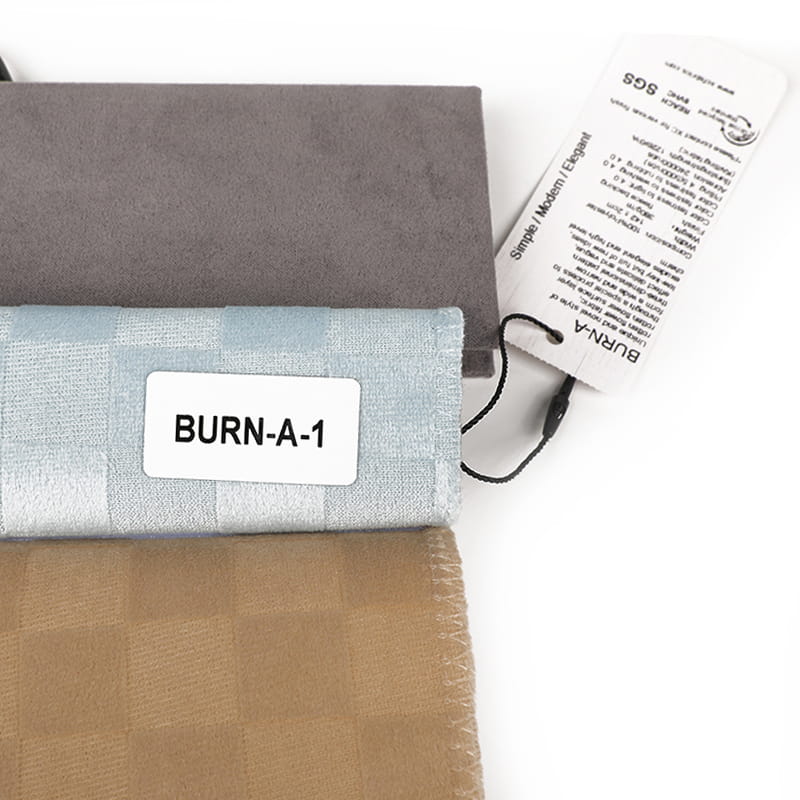 Super Soft Burnout Velvet Furniture Sofa FabricA super soft burnout velvet option for furniture, this fabric demands a compression recovery check before purchase. Buying directly from the mill can reduce costs and simplify custom orders.View Product →
Sourcing 3D Textured Sofa Fabric Directly from a Mill
Buying direct from a specialized mill cuts per-meter cost compared with trading intermediaries and shortens the lead time for custom embossed, printed, or jacquard patterns. Zhejiang Xincheng New Materials Co., Ltd., a mill founded in 2002, produces finished sofa fabric and furniture fabric in the 100-500 gsm and 100-300 cm ranges, with a monthly capacity of 1,500,000 meters.
The factory operates 20 warp knitting machines from KARL MAYER and roughly 200 employees, including 30 quality-control staff. In-house finishing covers printing, bonding, bronzing, embossing, and glue embossing, so a custom texture moves from engraved roller to production run without leaving the plant. The site sits about 110 km from Shanghai, 61 km from Hangzhou, and 130 km from Ningbo, close to international airports and the container ports of Shanghai and Ningbo.
Before you commit to a supplier, ask for the following on every candidate 3D textured sofa fabric:
- A swatch deck documenting gsm, width, and Martindale result for every reference
- A 1:1 photo of the engraved roller or jacquard repeat
- A digital texture asset of the final fabric for e-commerce renders
- A waterproof or fleece-backing option if your market requires it
For pattern design, mills with an in-house design team, such as Zhejiang Xincheng's, can create exclusive motifs; confirm roller ownership and sampling timelines in the contract. Compare the expanded sofa fabric range and, for a deeper look at the craft, read the detailed breakdown of embossed sofa fabric workmanship.
Frequently Asked Questions About 3D Textured Sofa Fabric
Is 3D textured sofa fabric more durable than flat sofa fabric?
At the same base weight and fiber quality, embossed velvet and jacquard 3D textures usually outperform flat printed fabric in Martindale testing because raised zones absorb the initial contact while recessed areas stay protected. Boucle and burnout versions wear faster, so match the construction to the traffic level of the room.
What GSM should I choose for 3D textured sofa fabric?
For a standard domestic sofa, 300-370 gsm is the safe range. For hospitality, rental, or heavy family use, choose 400 gsm and above, and request a Martindale report above 30,000 cycles. Lighter 250 gsm textures belong on accent chairs or vertical panels, not seat cushions.
Can 3D textured sofa fabric be cleaned, and are waterproof versions available?
Cleaning depends on construction. Embossed polyester velvet wipes clean with a damp cloth, and a waterproof finish improves stain resistance. Boucle traps dust in its loops and needs vacuuming. Burnout fabric requires the most careful treatment. Mills that offer waterproof finishing can add water repellency without changing the textured relief.
Can a supplier produce a custom 3D texture pattern?
Yes. A mill with in-house design and engraving capabilities can create custom embossed rollers, adapt jacquard repeats, or print graphics before the embossing step. Confirm who owns the roller design, request sample approval before bulk, and agree on timelines; 7-15 days for samples and 25-40 days for bulk are common ranges for a standard container order.
Base your final specification on the swatch deck and the Martindale report, not on a screen photo.