English
 Español
Content
A sofa can keep its frame for twenty years and still feel worn out because the upholstery gave up first. Two fabrics that look nearly identical on a showroom swatch can behave completely differently after six months of daily sitting, spills, sunlight, and the occasional set of pet claws. The difference sits in the weave, the weight, and the finishing. Understanding those three factors before you buy is what separates a fabric that still looks good in year five from one that starts to pill and sag in year one.
What Makes a Fabric a Sofa Fabric?
The short answer: abrasion resistance, structural stability, and weight that match the way the sofa will be used. A decorative fabric can look beautiful and still fail as upholstery because it was never built to take friction.
Three numbers matter more than any marketing claim:
- Abrasion resistance. Measured in Martindale rubs. For residential sofas, 15,000 to 20,000 rubs is a common working minimum. If the sofa sits in a busy family room or a rental unit, look for 30,000 rubs or more. Below 10,000 rubs, the fabric will show wear on armrests and seat edges quickly.
- Weight. Most upholstery fabrics fall between 200 and 400 gsm, or grams per square meter. Below roughly 200 gsm, the cloth shifts at seams and lets cushion shapes show through. Above 400 gsm, the fabric becomes heavier to tailor but delivers a more substantial, stable feel.
- Construction. Tightly woven and warp-knitted structures hold their shape and resist snagging better than loose knits. A fleece or pongee backing keeps the fabric from stretching during cutting and upholstering.
A flat weave and a pile fabric with the same weight will also age differently. Pile fabrics such as velvet and chenille feel luxurious but trap dust and crush under pressure, while smooth, tightly structured surfaces hide abrasion better and are easier to wipe. That trade-off is a conscious choice, not an accident of style.
None of these qualities are visible in a photograph. That is why a physical swatch and the data sheet that comes with it are the real starting point for choosing a sofa fabric.
Sofa Fabric Types at a Glance
The upholstery market is full of names, but most sofa fabrics belong to a few families. The table below compares how they feel, how long they last, and where they perform best in residential use.
| Fabric family | Feel | Durability | Care | Best suited to |
|---|---|---|---|---|
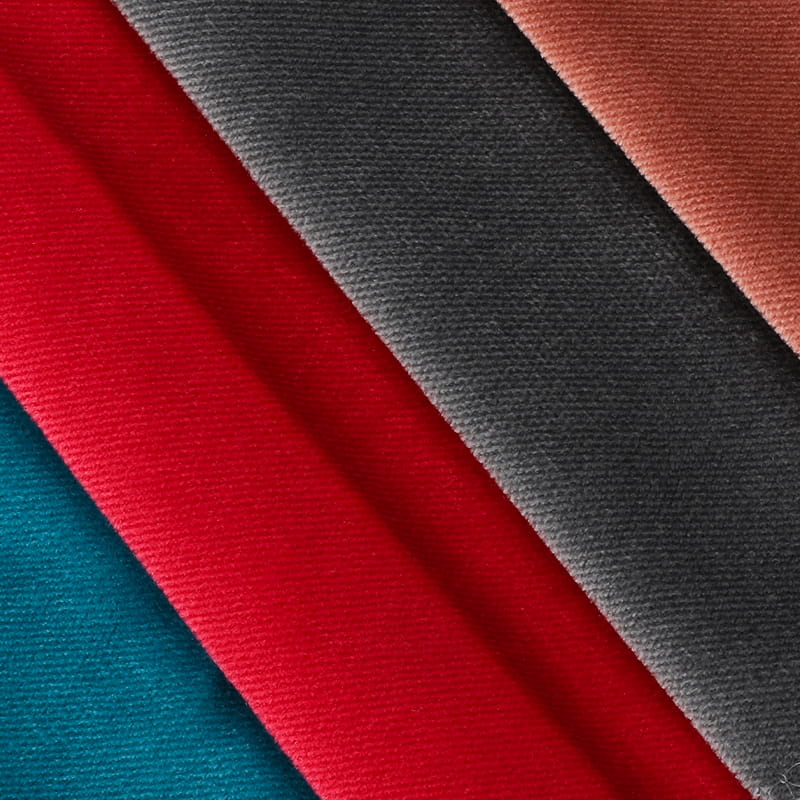
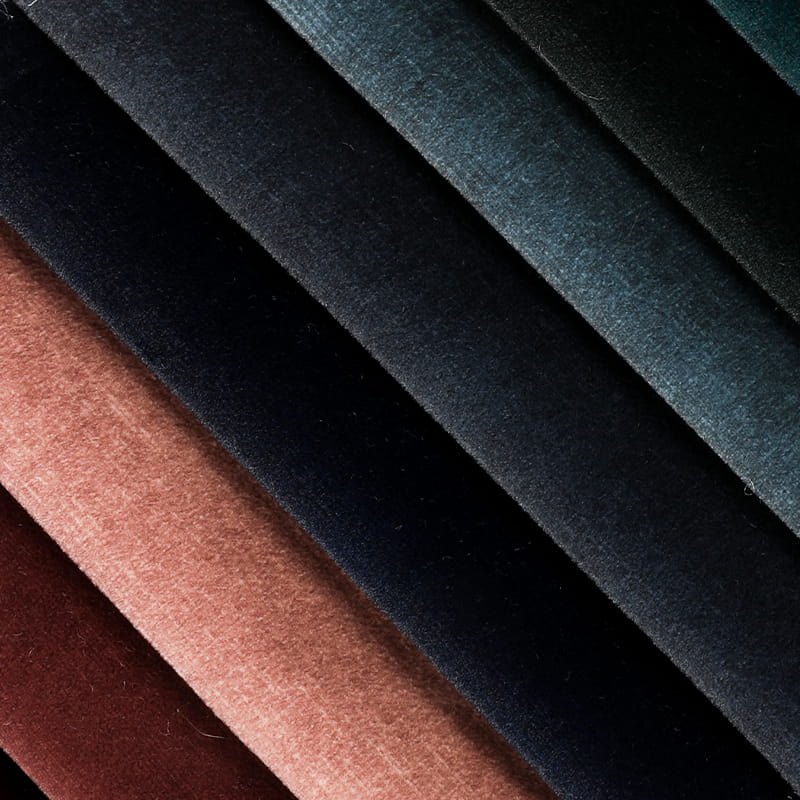
| Polyester microfiber and technology velvet | Soft, dense, slightly brushed | Good; tightly knitted versions reach high rub counts | Wipe with a damp cloth; most stains do not soak in | Family sofas, modular seating, high-traffic rooms |
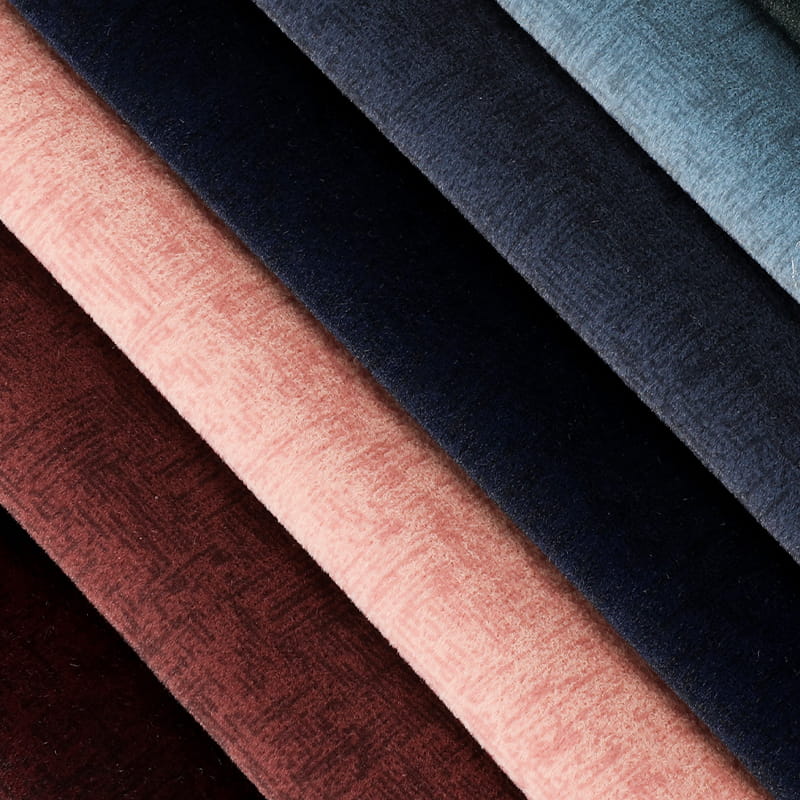
| Holland and woven velvets | Plush, elegant, deep pile | Moderate; pile can crush under heavy use | Vacuum regularly; professional cleaning only | Formal lounges, feature chairs, bedrooms |
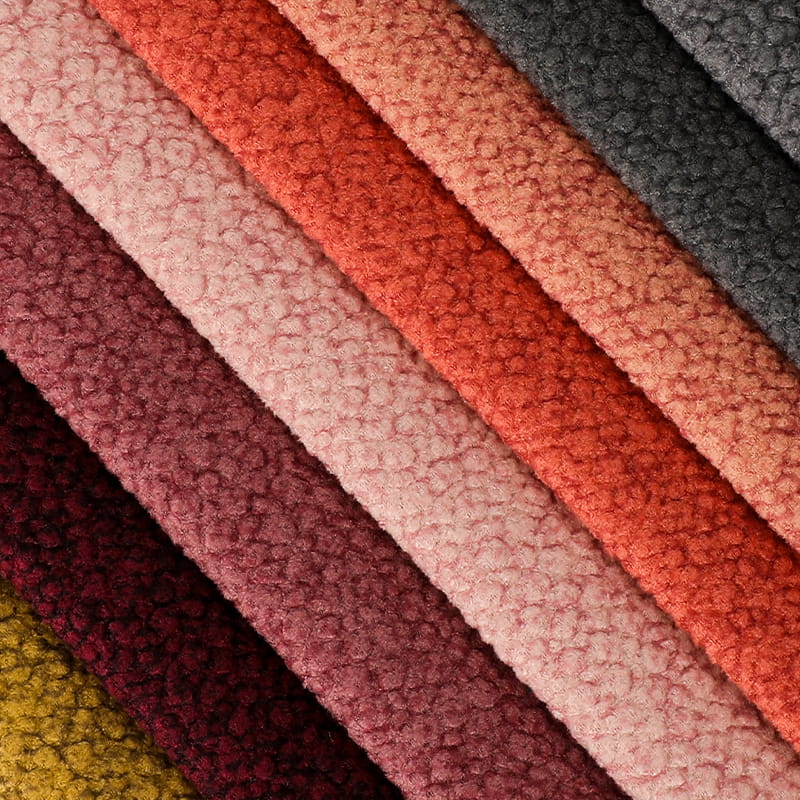
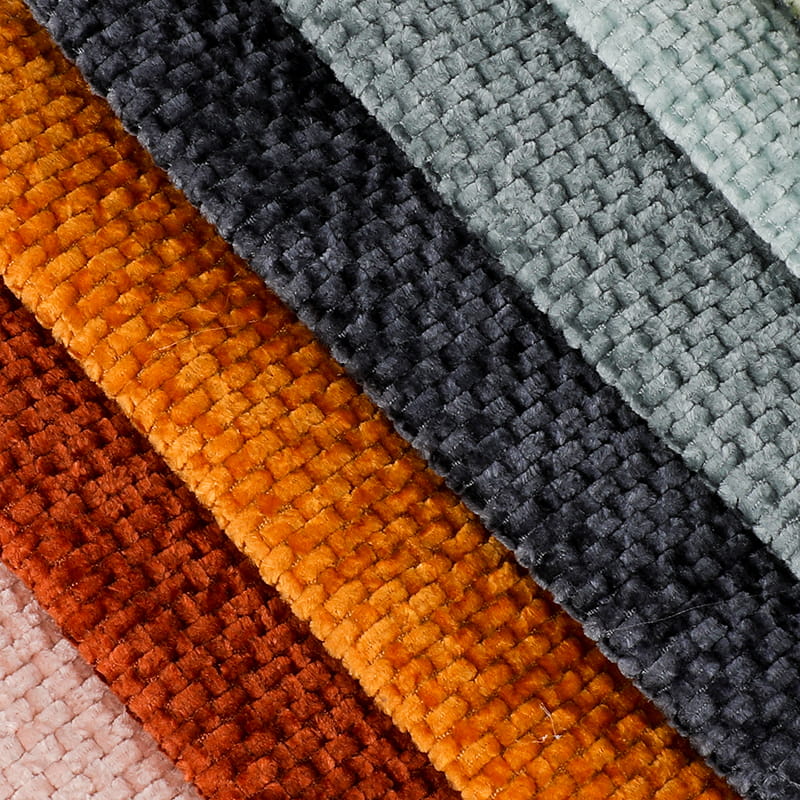
| Chenille | Soft, textured, warm | Moderate; looser construction can snag | Gentle vacuuming; avoid harsh brushes | Low-traffic living areas |
| Corduroy | Sturdy, ribbed, casual | Good; ribbed structure hides abrasion well | Machine washable if covers are removable | Casual family rooms, kid-friendly spaces |
| Linen-look and cotton blends | Breathable, natural, slightly crisp | Lower abrasion resistance; prone to wrinkling | Frequent vacuuming; professional cleaning | Light-use seating and decorative accents |
| Waterproof performance fabrics | Smooth, practical, often brushed on the reverse | Very good; built for repeated wiping | Wipe clean; most liquids bead and roll off | Pet homes, dining-adjacent seating, contract use |
Within each family, construction changes the result more than the name. A corduroy sofa fabric knitted on a heavy base feels different from the same face cloth on a light backing, which is why experienced buyers specify weight and backing rather than ordering by name alone.
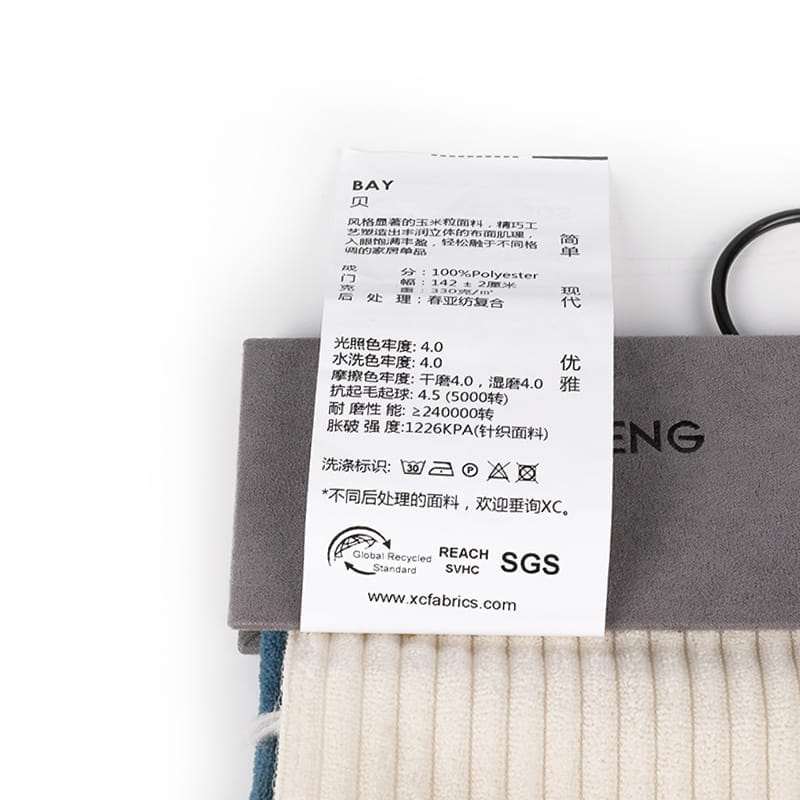 Wholesale Corduroy Sofa Furniture Fabric Suppliers, OEM/ODM ManufacturersZhejiang Xincheng New Materials Co., Ltd. is China wholesale Corduroy Sofa Furniture Fabric Suppliers and OEM/ODM Corduroy Sofa Furniture...View Product →
Which Sofa Fabric Should You Choose?
There is no single best sofa fabric. There is only the best fabric for your use case. Start with the room, then work back to the material.
Family living room with children
Choose a tight polyester or technology velvet weave with a rub count above 30,000 and a smooth surface that does not trap crumbs.
Pet-friendly home
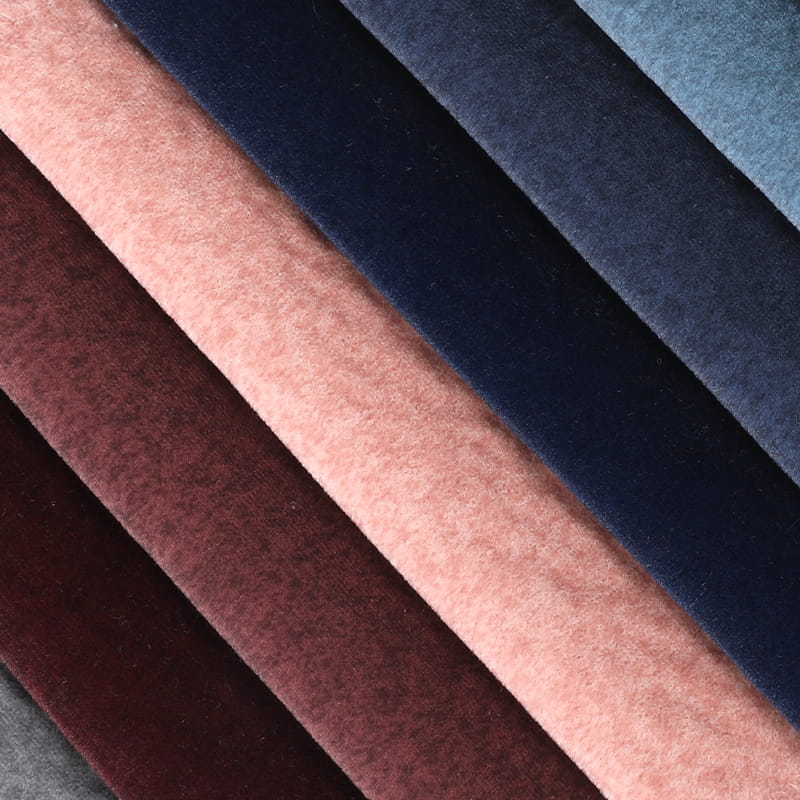
A technology velvet fabric with a waterproof finish resists claws and wipes clean in seconds.
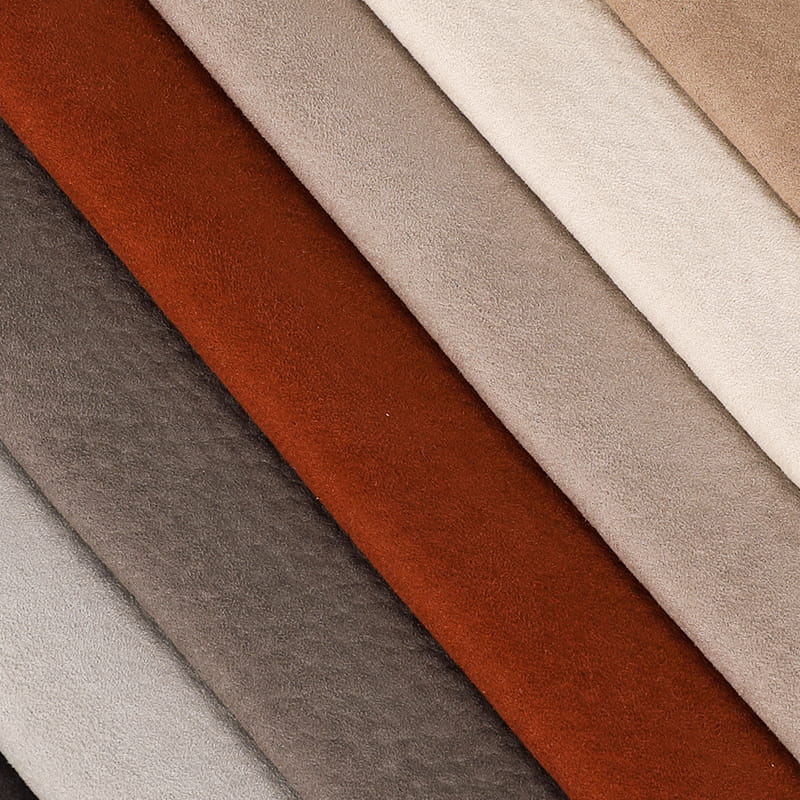 Custom Waterproof Sofa Technology Velvet Fabric ManufacturersZhejiang Xincheng New Materials Co., Ltd. Is China Custom Waterproof Sofa Technology Velvet Fabrics Manufacturers And Factory, Offer Cust...View Product →
Formal lounge or reading corner
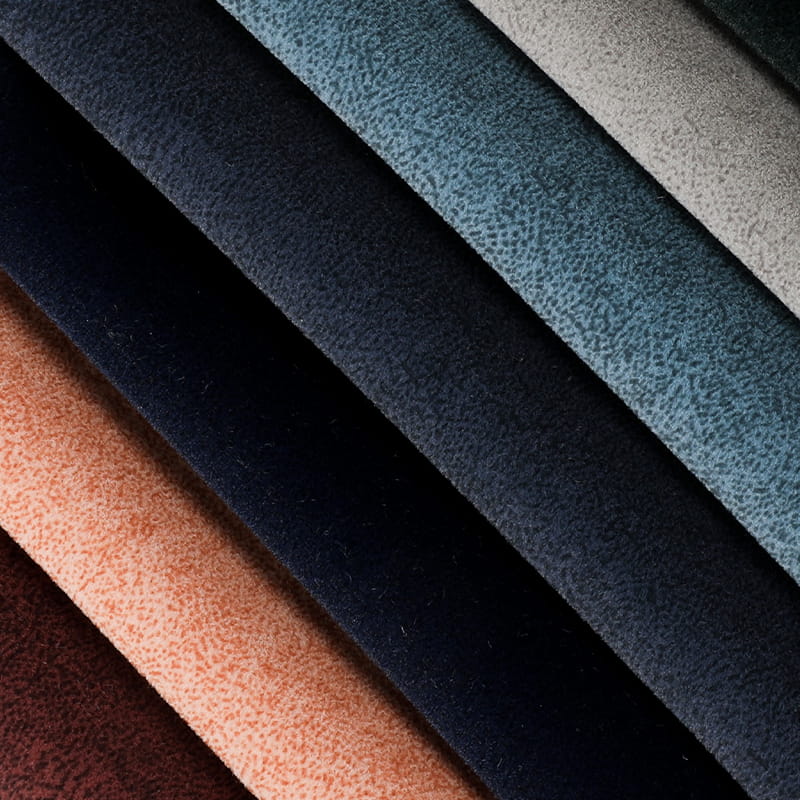
Holland velvet or an embossed texture gives a rich drape and quiet luxury, as long as you vacuum the pile weekly.
Contract or high-frequency use
Prioritize a heavyweight cloth above 300 gsm with documented abrasion resistance and a moisture barrier. Ask the supplier for test data.
The pattern is simple: the more friction and liquid a sofa will face, the tighter and more protected the fabric should be. Style matters, but it is selected after the use case, not before it.
How to Evaluate a Sofa Fabric Sample
A swatch can reveal most quality problems in less than five minutes. Before ordering, run through these checks:
- Feel the pile density. Run your palm against the grain. A thin or patchy pile will look worn after a season.
- Ask for abrasion data. A real supplier can provide Martindale results and the weight per roll, not just a brochure number.
- Drop water on the surface. On a waterproof finish, the drop stands on the surface for at least a minute. On a regular fabric, it should absorb evenly without beading into spots.
- Pull the fabric by hand. If it stretches easily, it will also stretch at the seams during upholstering.
- Compare colors in daylight. Store lighting distorts shade. Look at the sample next to your wall color and flooring before you commit.
Ask for a cutting of at least 30 by 30 centimeters. A small swatch is enough for color but not for judging drape, seam behavior, or how the pile reacts to pressure. These checks apply whether you buy one sofa or a thousand meters of fabric.
What to Verify Before a Bulk Order
When you source sofa fabric for production, a batch mismatch can stall an entire line. Experienced buyers verify four things before committing:
- Color consistency across batches. Dye lots always differ to some degree. A reliable manufacturer keeps shade references and controls dyeing parameters so reorders match the original. Ask how they maintain consistent color across production batches.
- Weight tolerance. A roll that is 20 gsm lighter than specified changes the hand feel, seam strength, and how finished covers behave.
- Backing stability. A poor backing separates during cutting or makes the fabric crawl on the table. Felt, fleece, and pongee backings each suit different cutting methods.
- In-house finishing. If you plan to differentiate your product range, confirm that the supplier can handle custom printing, embossing, or bronzing internally instead of outsourcing it.
Suppliers who knit, dye, and finish under one roof can hold quality far more easily than those who buy finished goods and resell them. If the supplier also keeps an approved sample as a reference and performs pre-shipment inspection, the risk of a bad lot reaching your line drops significantly.
Our production facility in Zhejiang runs warp-knitting lines over a range of 100 to 500 gsm, with printing, bonding, bronzing, and embossing under one roof and more than 30 staff dedicated to quality control. That integration is why we usually recommend starting with the sofa fabric collection and narrowing down by weight and finish. With a monthly production capacity of 1.5 million meters, we are set up for orders that require consistent repeat batches.
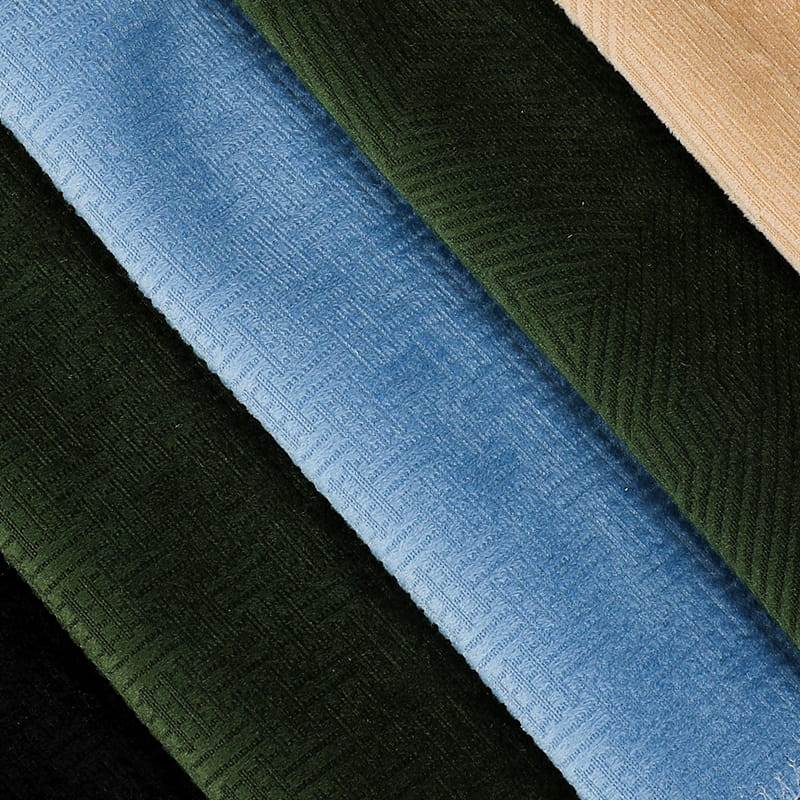 China Velvet Linen Imitation Leather Sofa Furniture Fabrics ManufacturersAs China Custom OEM/ODM Velvet Linen Imitation Leather Sofa Furniture Fabrics Manufacturers And Factory, Zhejiang Xincheng New Materials ...View Product →
Frequently Asked Questions
What is the most durable sofa fabric?
Synthetic polyester-based fabrics, especially tightly knitted technology velvet and high-density woven cloth, typically survive longest in daily use. For a number to compare against, look for Martindale results above 30,000 rubs for busy homes and contract settings.
Is velvet a good sofa fabric?
Velvet is an excellent choice for formal and low-traffic seating because of its depth of color and softness. It is less suited to rooms with heavy daily use, since the pile can crush and trap dust. If you want the velvet look with more resilience, choose a technology velvet with a dense synthetic pile.
How can I tell if a sofa fabric will fade?
Ask whether the yarn is solution-dyed and what the lightfastness rating is. Solution-dyed fibers contain pigment inside the fiber rather than on the surface, so they fade more slowly. You can also place a swatch in direct sunlight for a few weeks and compare it to an unexposed piece.
Does fabric weight really matter for a sofa?
Yes. Heavier fabrics, usually above 300 gsm, feel more stable, drape better on cushions, and resist seam stress. Lighter fabrics can work for upright accent chairs, but for a seat used every day, weight is one of the most reliable predictors of long-term behavior.
The right sofa fabric is not the one that looks best on a screen; it is the one that keeps its appearance after real use. Judge it by abrasion data, weight, construction, and the supplier's control across batches. If you are sourcing for a production run, contact our team with your target weight and performance requirements, and we will help you shortlist options quickly.