English
 Español
Content
A floor-length velvet curtain changes a room within minutes of being hung: daylight through the glass turns soft, street noise drops a notch, and the folds settle into a weight that no flat-woven fabric imitates. That is why velvet curtain fabric keeps its place at living room and bedroom windows even though it costs more per meter than standard drapery cloth.
The short answer for buyers is this: velvet is the right choice when you need light control, insulation, and a heavy drape in one material, but only if the pile, fabric weight, and backing are right. A thin, loosely piled velvet fails all three jobs at once. The sections below cover what this fabric actually is, the types most often used at the window, the specifications to confirm before ordering, and how to keep it looking right for years.
What Velvet Curtain Fabric Actually Is
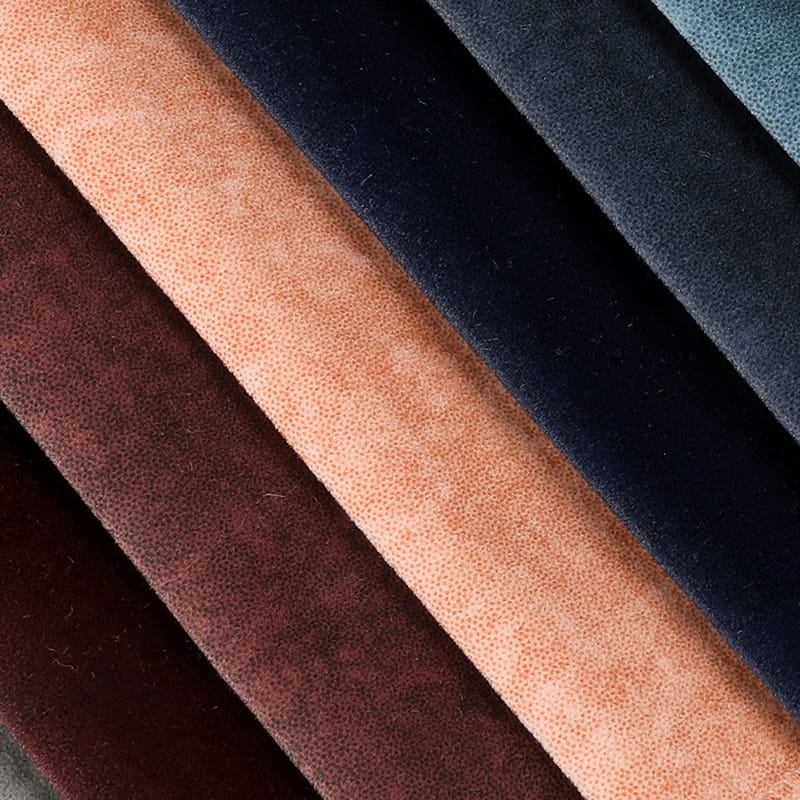
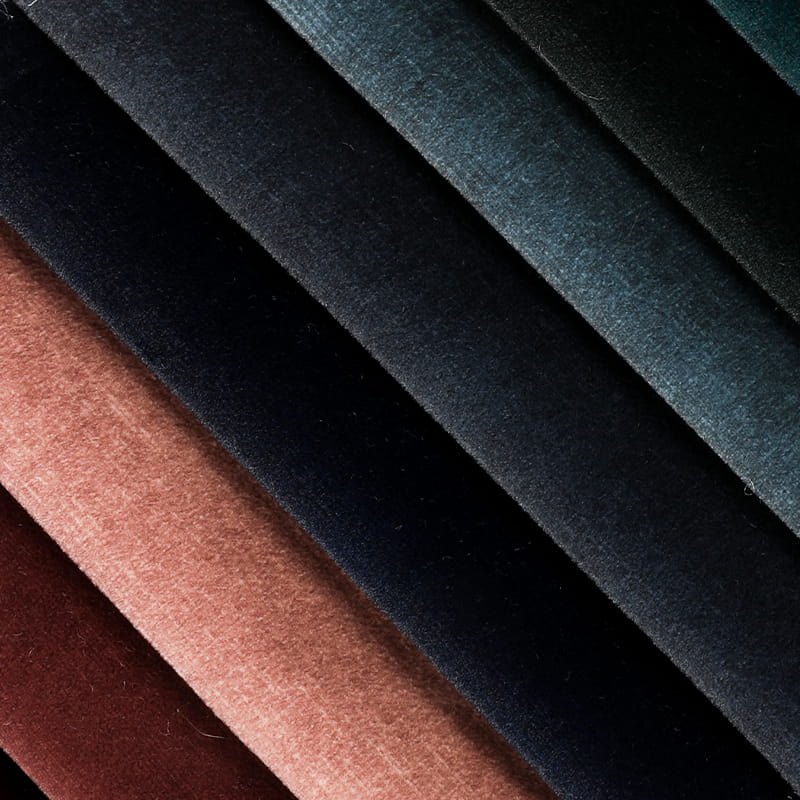
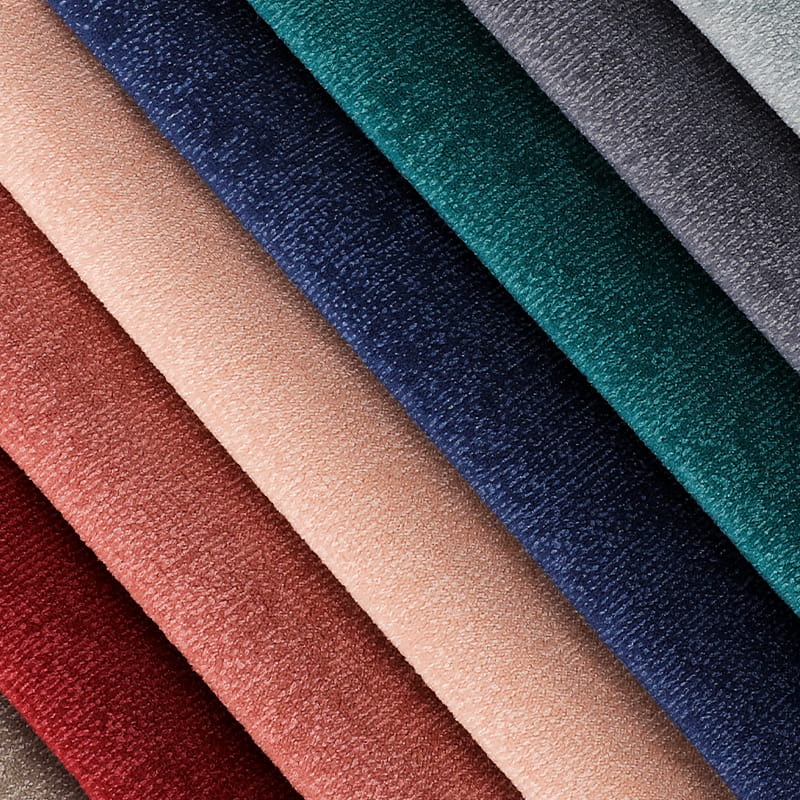
Velvet curtain fabric is a cut-pile cloth. A second set of yarns is drawn through the base structure and cut, so millions of fiber ends stand upright and form the surface you see and touch. That pile is the whole reason velvet behaves differently at a window: it adds weight, traps a layer of still air against the glass, and absorbs light instead of bouncing it back into the room.
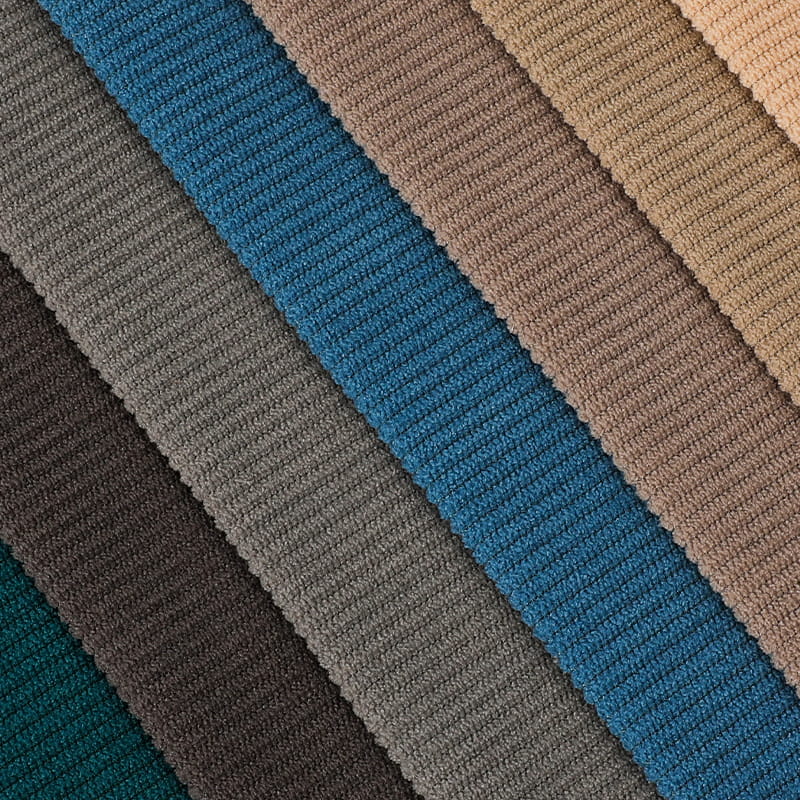
At trade scale, most curtain velvet today is polyester, warp-knit on industrial machines. Polyester pile holds color well in sunlit rooms, resists stretching, and can be produced at widths up to 300 cm, which conventional weaving struggles to reach. The backing matters as much as the face: a stable knit backing locks the pile in place and keeps panel length honest after the curtains have hung for months.
The Three Velvet Types Most Used at the Window
Holland velvet
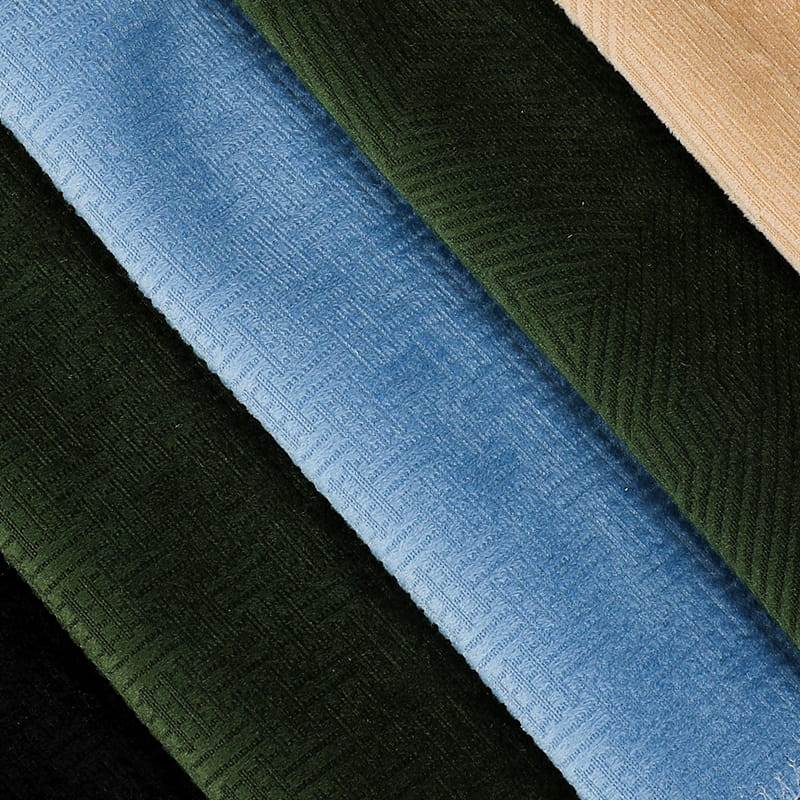
Holland velvet is the classic drapery velvet: a dense cut pile with a soft, even sheen that reads as deep, saturated color from across the room. The pile stands close enough to resist crushing at fold lines, which is why it remains the default for formal living rooms and hotel suites.
Embossed velvet
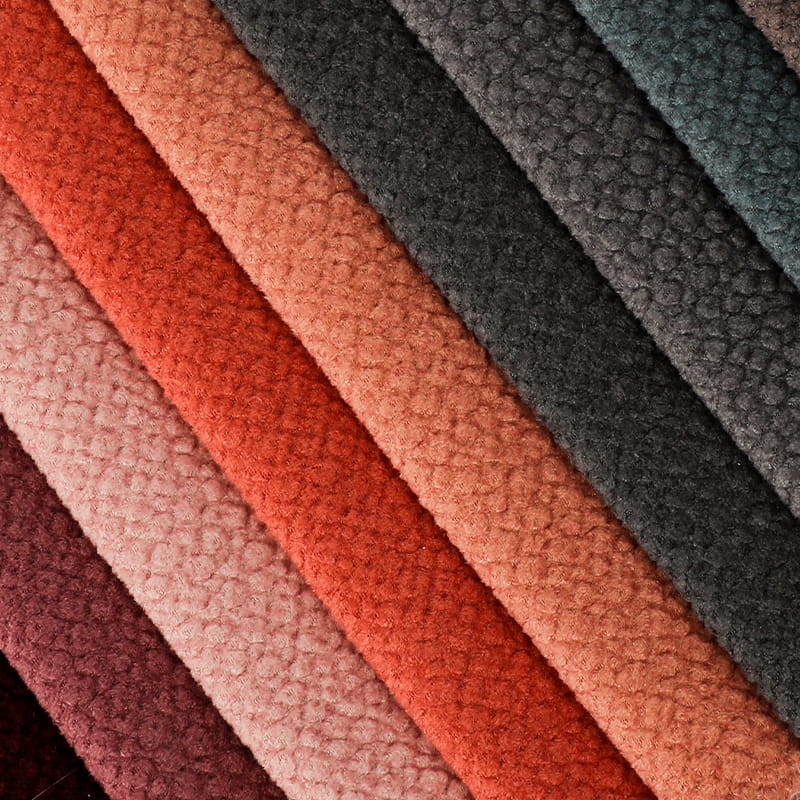
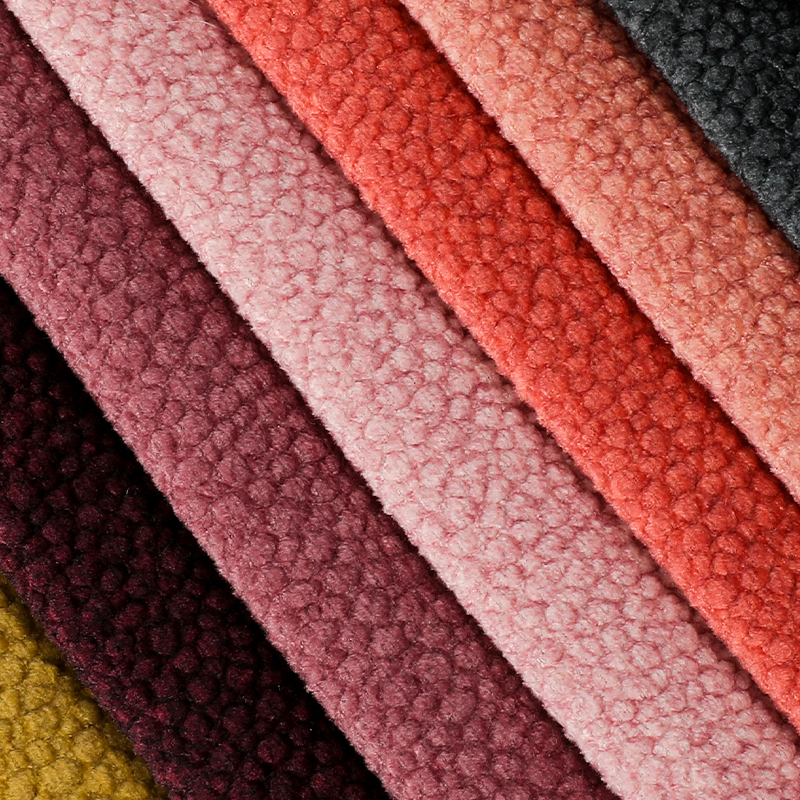
Embossed velvet is finished with heat and pressure so the pile carries a raised texture or motif. The texture does two jobs at once: it adds visual interest from a distance, and it disguises the small crush marks that daily handling leaves on flat pile, which makes it a practical pick for family rooms and commercial spaces.
Printed velvet
Printed velvet carries a pattern printed onto the pile, and the pile breaks the pigment slightly, so prints gain a depth that flat printing cannot copy. When judging print quality, check pattern alignment across the panel width; misalignment shows worst where two curtains meet in the middle of a window.
curtaining velvet collection for window treatments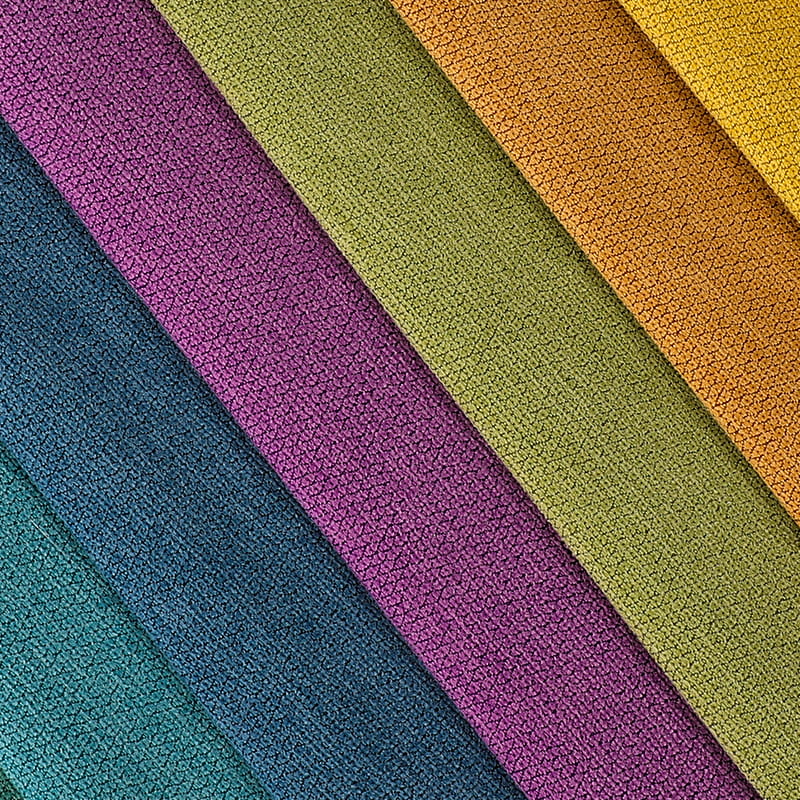 Printed Blackout Velvet Curtain FabricSuitable for curtain programs where printed depth and light blocking both matter. Worth checking before comparing prices, since printed velvet samples can look similar but perform differently on a window track.View Product →
Specifications to Confirm Before You Order
Two velvet samples can look nearly identical on a swatch card and perform completely differently on a window track. The difference almost always sits in the numbers below, so put them in writing before comparing prices.
| What to check | Typical trade range | Why it matters |
|---|---|---|
| Fabric weight | 280-450 gsm for drapery grades | Weight drives the deep folds and light blocking that velvet is known for; under roughly 250 gsm panels tend to hang limp. |
| Usable width | 150-300 cm, with wide widths around 280-300 cm for full-drop panels | Wide cloth lets a tall curtain hang as a single width, avoiding horizontal seams running through the drop. |
| Pile density and shear | Dense, evenly cut pile laid in one direction | Thin or patchy pile shows shading marks and crush lines along every fold. |
| Backing construction | Warp-knit backing, optionally bonded or coated | The backing locks the pile in place, improves light blocking, and keeps panel length stable. |
| Dye lot consistency | One dye lot across all panels in a room | Curtains hang side by side, so even a small shade difference between lots is visible from meters away. |
Weight is the main trade-off to think through. Above about 450 gsm, velvet gives dramatic folds and strong light control, but the track and fixings must carry serious load. Below 300 gsm, budget for a lining if blackout matters. When quotes arrive, compare gsm and pile density first, because a cheap per-meter price on a lighter cloth is rarely the bargain it looks like.
holland velvet fabric range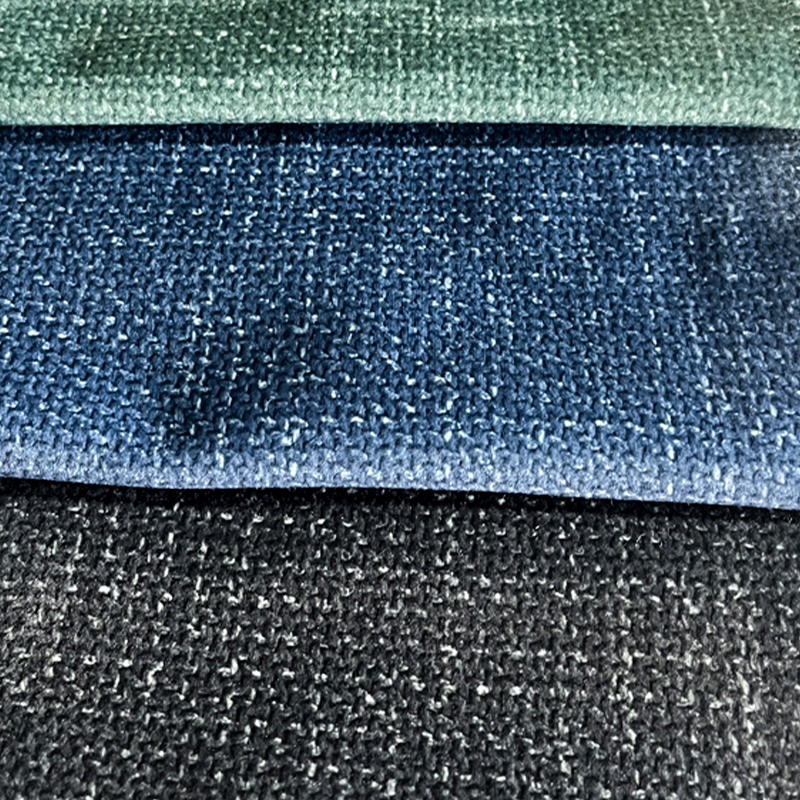 Holland Double Velvet Curtain and Upholstery FabricA soft, warm, absorbent double velvet with good luster and clear patterns. Relevant when weighing gsm and pile density, since weight drives both the drape and the load a curtain track must carry.View Product →
Matching Velvet Curtain Fabric to Each Room
Because weight and pile drive both price and performance, the fastest way to narrow a specification is to start from the room the curtains will serve.
Living rooms
Choose a mid-weight holland velvet around 300-380 gsm; the deep folds carry the whole look of this room.
Bedrooms
Go to 350-450 gsm or add a lining, because blocking early morning light matters more here than anywhere else in the house.
Media rooms
Dark colors with dense pile soften echo and cut screen glare from side windows.
Dining and everyday spaces
Embossed or printed velvet in a mid weight hides daily marks and tolerates casual handling better than a flat solid pile.
Weight is only one input, of course. Window size, lining choices, and light direction all interact, and our guide to choosing the right curtain fabric for your living room walks through that decision step by step.
How to Keep Velvet Curtains Looking Right
Velvet asks for slightly different habits than flat curtains, but none of them are difficult. Follow this routine and the pile stays even for years.
- Vacuum weekly with a soft brush head, always moving in the direction of the pile so the surface is not roughed up.
- Steam lightly to release packing creases and lift pile flattened by the folds; keep the steamer moving and never press hard against the fabric.
- Blot spills immediately with a damp cloth. Do not soak the panel, because water can mark the pile and disturb the backing.
- Swap panel positions or re-hang seasonally so sunlight and room dust affect both curtains evenly.
- For deep or greasy stains on lined or wide-width curtains, use a professional cleaner rather than experimenting at the window.
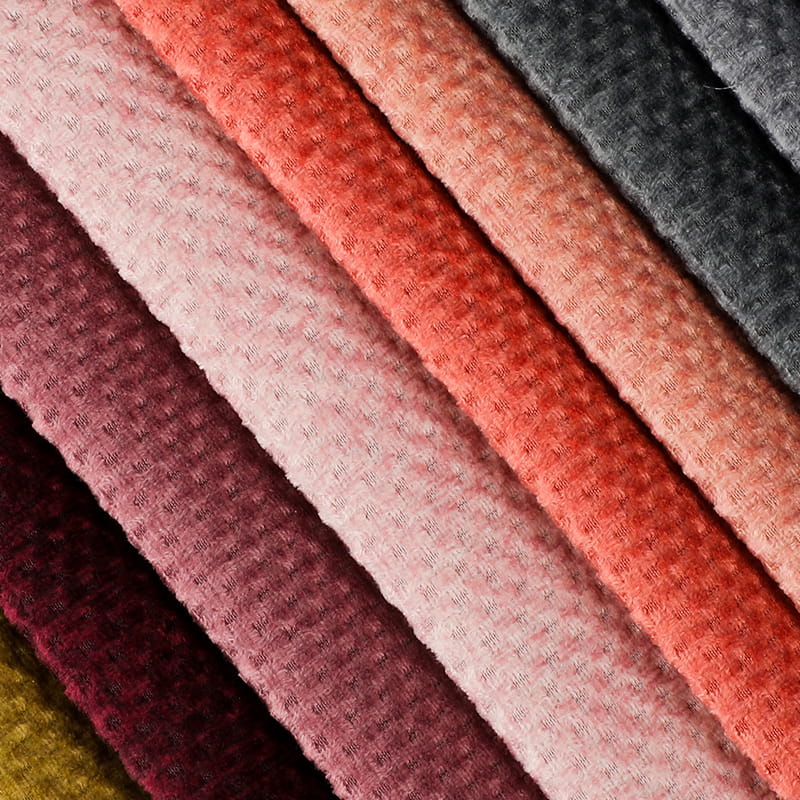
One expectation to set before buying: velvet shades. Where the pile leans a different way, it reflects light differently and appears to shift color. This is a characteristic of pile fabric, not a defect. Brushing and steaming the pile in one consistent direction at installation keeps the effect uniform across the panel.
Ordering Velvet Curtain Fabric in Bulk
A good bulk inquiry confirms five things up front: weight and its tolerance, usable width, backing type, dye lot policy, and which finishing services the mill runs in-house. Finishing matters more for velvet than for flat weaves, because printing, embossing, bronzing, and bonding all happen after the pile is formed. A mill that controls those steps in-house can match an approved sample far more closely than one that subcontracts them.
That is how we operate at our mill in Zhejiang. Warp-knitting lines produce the base velvet, in-house finishing applies print, emboss, or bronzing effects to customer designs, and a dedicated quality control team checks dye lots before rolls ship through the ports at Shanghai and Ningbo. Monthly capacity runs to roughly 1.5 million meters, which keeps bulk curtain programs on schedule even across repeat orders.
XC2110061 new design curtain fabric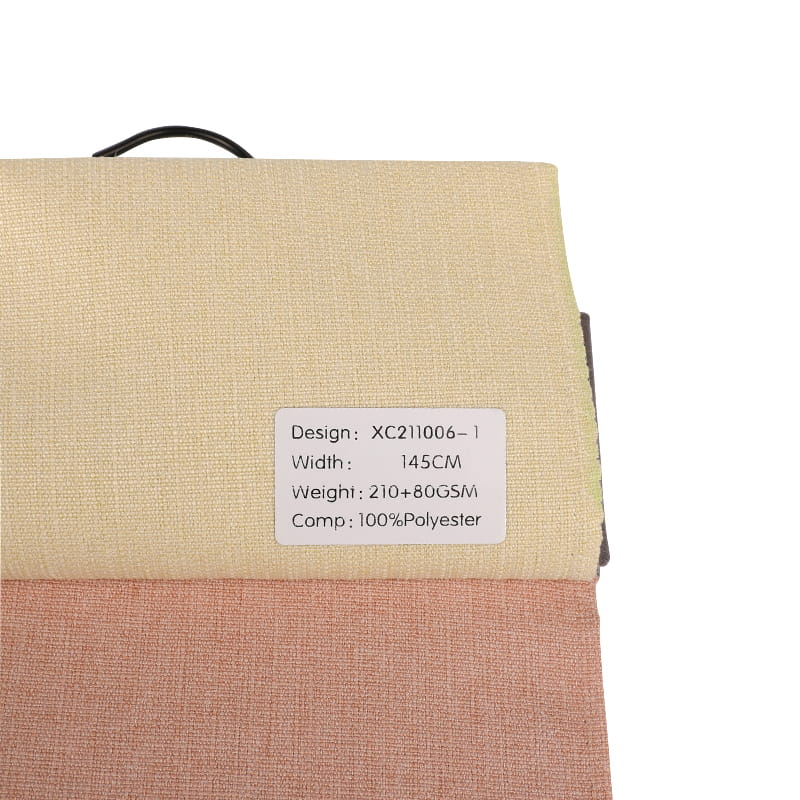 XC211006-1 New Design Sofa and Curtain Velvet FabricA new-design velvet from a Zhejiang mill with in-house finishing and dye-lot checks before shipment. A practical option to sample in daylight and lamplight before requesting a bulk quotation.View Product →
If you are comparing mills for a curtain program, ask for a sample card first and hang it over a real window edge. Check the pile with and against its natural direction, and look at the cloth in both daylight and lamplight. Then request samples and a quotation with your target gsm, width, and quantity, so the price you receive reflects the fabric you actually need.
Frequently Asked Questions
Does velvet curtain fabric make a room fully dark?
No fabric alone makes a room pitch black. Dense, heavy velvet blocks most daylight on its own, but light still leaks around panel edges. For a true blackout result, pair velvet with a coated backing or a separate blackout lining.
Can velvet curtains go in a washing machine?
Check the care instructions for the specific fabric before anything else. Sturdy polyester velvets often tolerate a delicate cold cycle, while lined, wide-width, or heavily finished velvets are safer with professional cleaning, because water can spot the pile and shrink the backing.
Why do my curtains look lighter on some folds than others?
That is shading, the normal behavior of pile fabric. Where the pile leans a different way, it reflects light differently and appears to change color. Brushing and steaming the pile in one consistent direction at installation keeps the effect even.
What weight works best for bedroom velvet curtains?
Aim for 350-450 gsm if the panel hangs alone. If you plan a blackout lining behind a decorative velvet, a mid-weight cloth around 280-350 gsm keeps the track load reasonable while the lining handles light blocking.