English
 Español
Content
- What Exactly Is Holland Velvet Upholstery Fabric?
- Holland Velvet Upholstery Fabric vs. Other Velvets: A Head-to-Head Comparison
- Durability Metrics That Predict Real Sofa Lifespan
- Five Factory Checks for a Durable Holland Velvet Upholstery Fabric
- Applications Beyond the Sofa: Chairs, Curtains, and Multi-Purpose Use
- Cleaning and Maintenance for Long-Term Pile Quality
- Frequently Asked Questions
What Exactly Is Holland Velvet Upholstery Fabric?
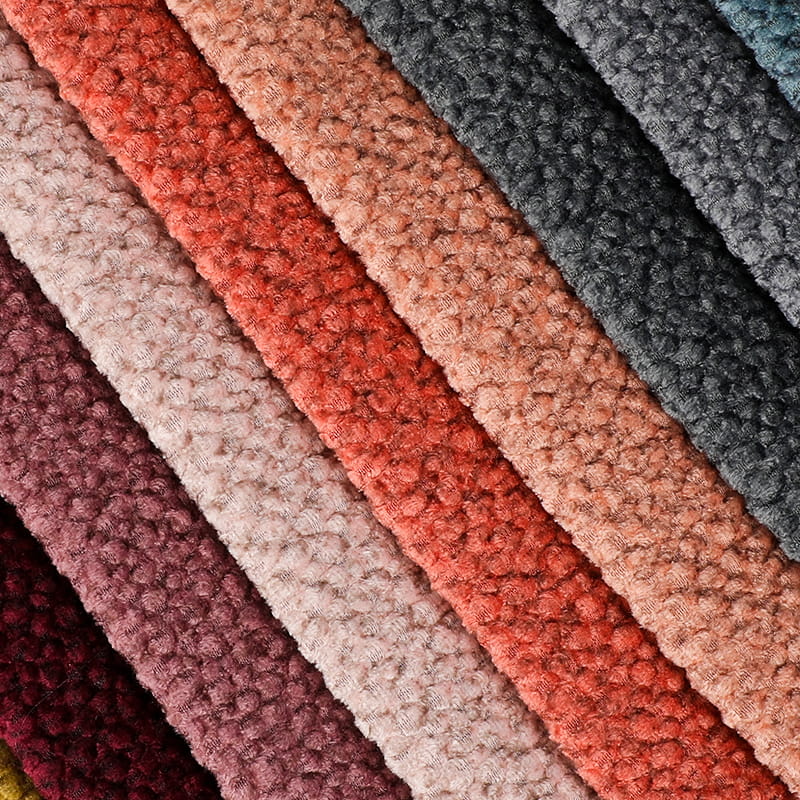
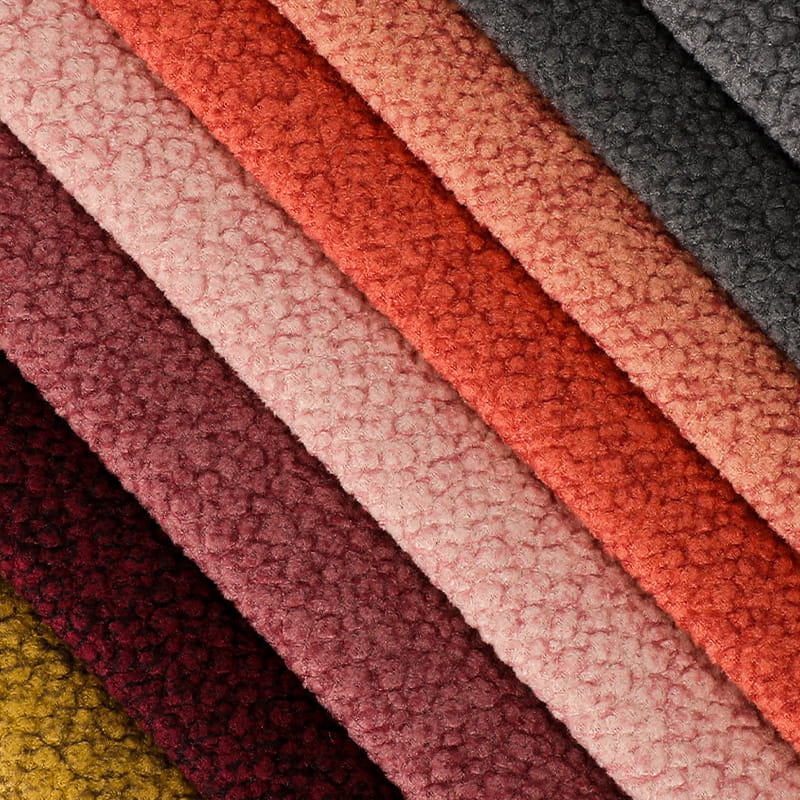
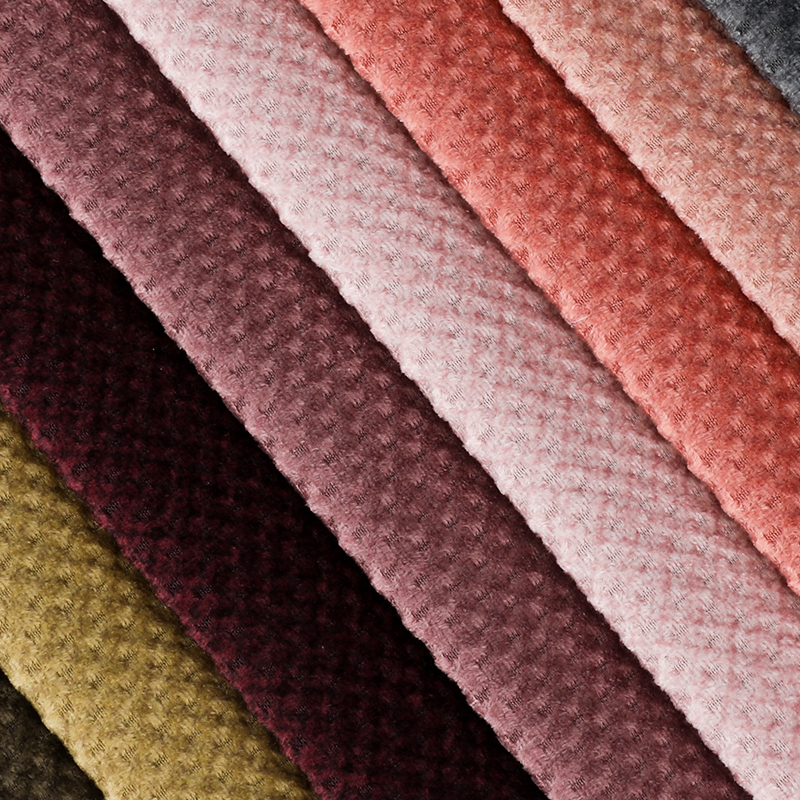
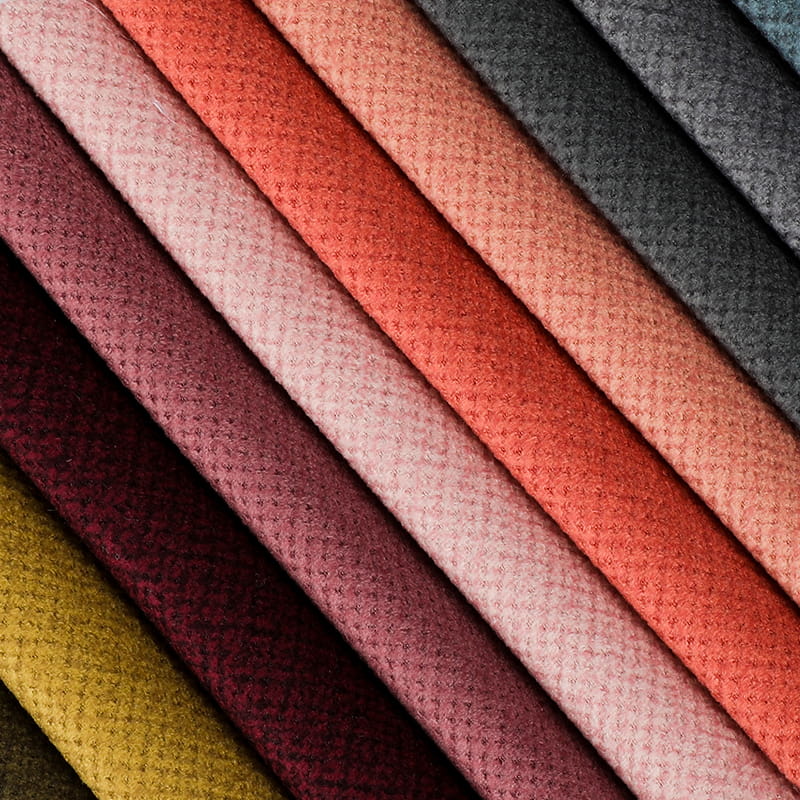
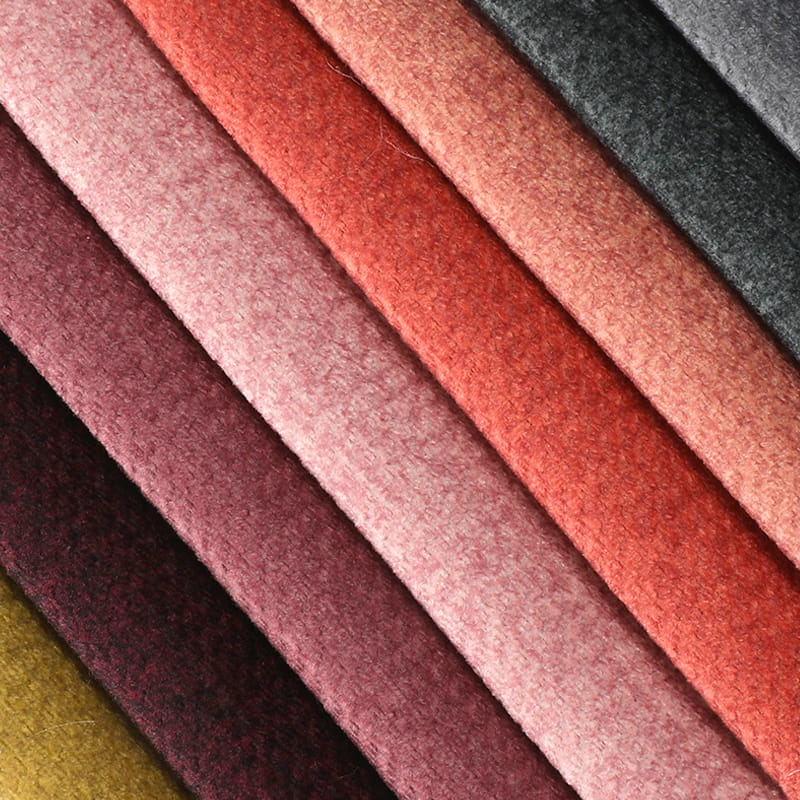
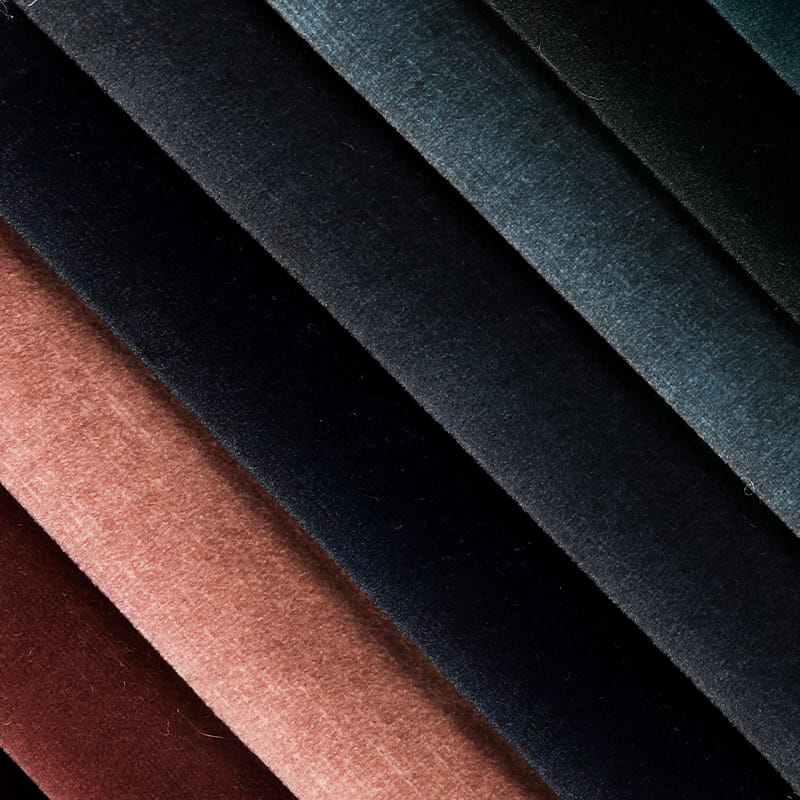
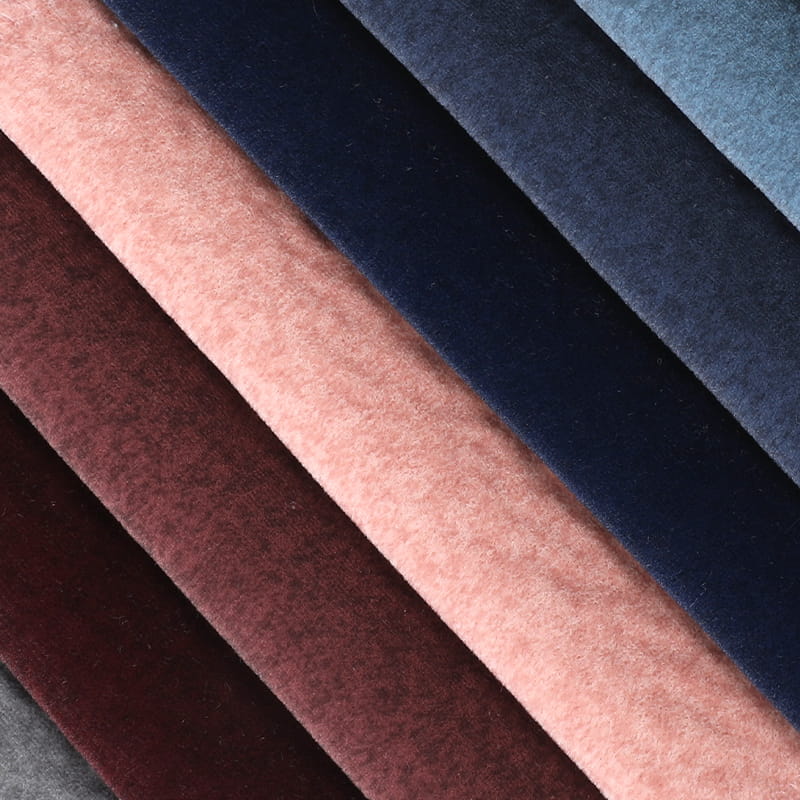
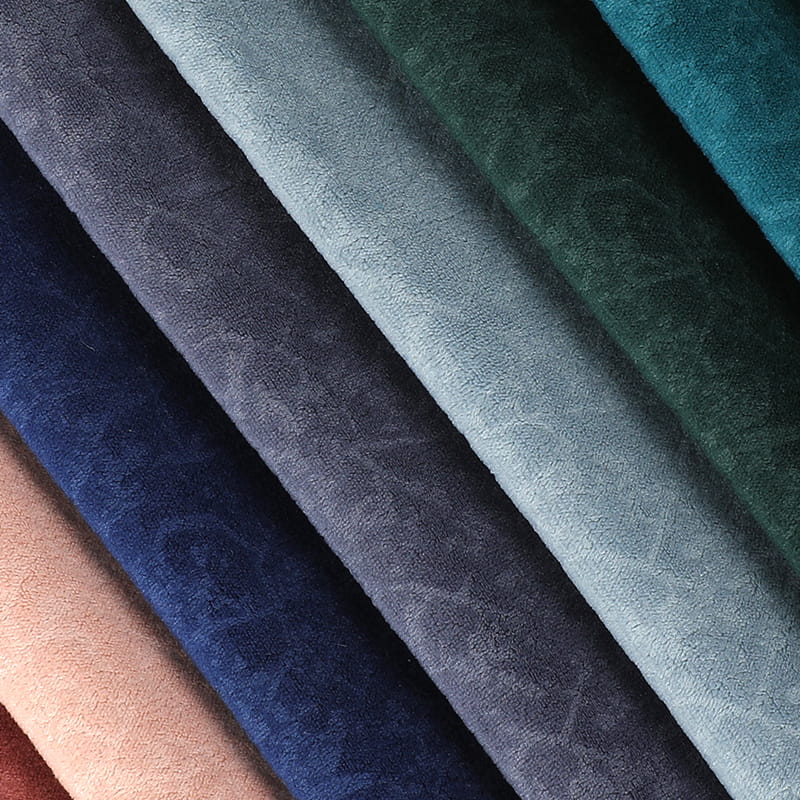
Holland velvet upholstery fabric is a warp-knitted cut-pile textile with a short, dense, smooth pile, usually spun from polyester, that offers the luster and hand feel of traditional velvet while delivering better dimensional stability and a significantly lower cost.
The "Holland" label points back to Dutch finishing traditions for low-pile velvet, but in modern textile commerce it describes a construction type, not a geographic origin or a specific fiber. Most commercial Holland velvet is 100 percent polyester, knitted on high-speed tricot or raschel machines, then brushed, sheared, and heat-set to stabilize the pile.
Upholstery-grade Holland velvet typically weighs between 250 and 450 grams per square meter. The broader production envelope for this construction runs from 100 to 500 gsm with finished widths from 100 to 300 cm, which is why the same technical platform can serve both furniture upholstery and curtain drapery.
The structural advantage is a knitted ground that resists stretch and recovers shape after repeated compression. When a fleece or pongee backing is laminated to the reverse side, seam slippage drops and the fabric handles upholstery work far more predictably. This combination of properties is why the market trend has made Holland velvet upholstery fabric a star choice for modern interiors.
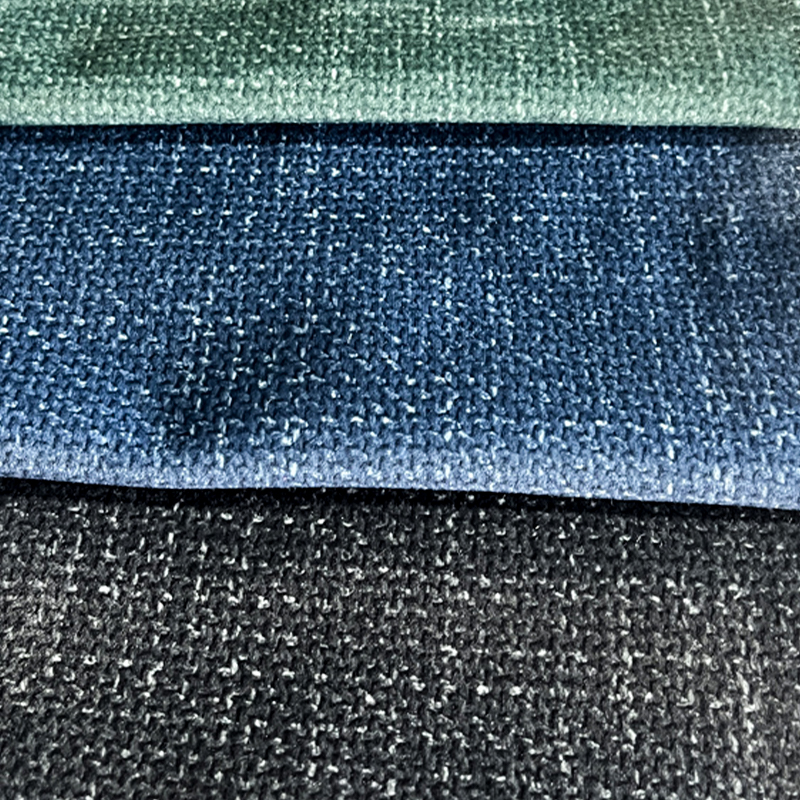 Holland Double Velvet Upholstery Fabric from ManufacturerThis Holland double velvet balances durability, softness, and price, making it a popular modern upholstery choice. Its knitted ground resists stretch and recovers shape, though cleaning and pet resistance remain limitations worth noting.View Product →
Holland Velvet Upholstery Fabric vs. Other Velvets: A Head-to-Head Comparison
In objective abrasion and hand-feel testing, Holland velvet delivers the strongest balance of durability, softness, and price among the velvet family, but it is not the easiest fabric to clean or the most pet-resistant option on the market.
| Property | Holland Velvet | Microfiber Suede | Mosha Velvet | Chenille | Cotton Velvet |
| Pile profile | Short, dense | Very short | Medium plush | Long loop | Medium loft |
| Typical weight | 250-450 gsm | 300-370 gsm | 300-400 gsm | 280-420 gsm | 250-500 gsm |
| Martindale cycles | 30,000-60,000 | 40,000-80,000 | 30,000-50,000 | 20,000-35,000 | 10,000-25,000 |
| Snag resistance | High | Highest | Medium | Low | Low |
| Cleanability | Good | Excellent | Medium | Medium | Poor |
| Best use | Sofas, headboards | Pet-friendly homes | Decorative accents | Throws, pillows | Traditional parlor |
The table shows a consistent pattern. Traditional cotton velvet has the most prestigious heritage but the lowest abrasion ceiling. Chenille is plush and forgiving but snags easily. Microfiber suede cleans best and resists pets, yet its dry matte hand is not what many clients picture when they ask for a luxurious velvet. Holland velvet sits in the middle of the performance map: dense enough to wear well, smooth enough to feel indulgent, and affordable enough for production quantities.
Durability Metrics That Predict Real Sofa Lifespan
Check four numbers before you place an order: Martindale abrasion resistance, pilling grade, seam slippage, and color fastness. These four specifications predict more about real-world lifespan than any brand claim or hand-feel impression.
- Martindale abrasion: 20,000 cycles suits occasional-use furniture. 30,000 cycles is the residential standard for daily seating. 50,000-plus cycles is contract-grade for offices, restaurants, and hotels.
- Pilling grade: A rating of 4 or higher on ISO 12945-2 means the pile stays clean. Lower grades produce fuzz balls on seat cushions within the first year.
- Seam slippage: The benchmark is a maximum of 0.25 inches at 15 pounds of force. Higher slippage leads to pulled seams on tight upholstered corners.
- Color fastness: Light fastness of 4 or better and crocking fastness of 3.5 or better protect the fabric against fading and dye transfer during daily use.
Backing strength matters just as much as the face. Fleece backings add cushioning and hide irregular seat foam; pongee backings give a crisper hand and a lower cost. If the supplier does not specify the backing in the technical datasheet, ask before you approve the sample.
 Wear-Resistant Sofa Fabric for Bulk Production OrdersThis wear-resistant sofa fabric highlights the importance of backing strength and factory reproducibility. Before ordering at scale, confirm backing type and technical details to ensure sample quality carries through production.View Product →
Five Factory Checks for a Durable Holland Velvet Upholstery Fabric
The finest sample is worthless if the factory cannot reproduce it at bulk scale. Audit these five points before you sign a purchase order.
- Knitting capacity. Ask how many warp-knitting machines run in the plant. A facility equipped with 20 sets of high-speed machines, including KARL MAYER equipment, can maintain consistent tension and pile density across long production runs.
- Finishing depth. Brushing, shearing, printing, laminating, bronzing, and embossing performed in-house reduce lead time and improve batch-to-batch consistency. External finishing subcontractors introduce variables that never show up on the first sample.
- Quality-control staffing. A factory with 30 employees dedicated to QC out of a 200-person workforce has a structurally different defect rate than a workshop where one person packs and inspects at the same time.
- Third-party test reports. Request ISO or AATCC certificates for Martindale, pilling, and color fastness. In-house test results are useful, but independent verification removes the conflict of interest.
- Logistics and scale. A mill near Shanghai Port and Ningbo Port reduces inland freight cost, and a monthly output of 1.5 million meters means your order will not stretch the line beyond its technical limits.
Add 21 years of finished-fabric production experience to that list and you have a supplier profile that can actually deliver on the promise of the sample. If you are evaluating a mill for a production program, contact the factory directly with your specification sheet and required test standards. A real manufacturer will answer with concrete numbers, not generic sales language.
Applications Beyond the Sofa: Chairs, Curtains, and Multi-Purpose Use
Holland velvet works far beyond the sofa. The same face construction, adjusted for weight and backing, performs well on dining chairs, headboards, throw pillows, and window treatments.
300-450 gsm with fleece or pongee backing for dimensional stability. Best for sofas, armchairs, headboards, and contract seating. The heavier pile resists crushing on horizontal surfaces.
200-280 gsm without a heavy backing so the fabric gathers in soft vertical folds. Best for curtains, valances, and room dividers. The lighter weight also reduces rod load and shipping cost.
For residential or hospitality projects where a sofa and its window treatment must read as one continuous material, some mills produce a combined sofa-and-curtain Holland velvet in a single dye lot, so the color and pile direction are matched from the start.
Dining chairs are a growing application. A 370 gsm fabric with a waterproof or wear-resistant finish stands up to the daily friction of chairs being pulled in and out from a table, where edge abrasion is the main failure mode.
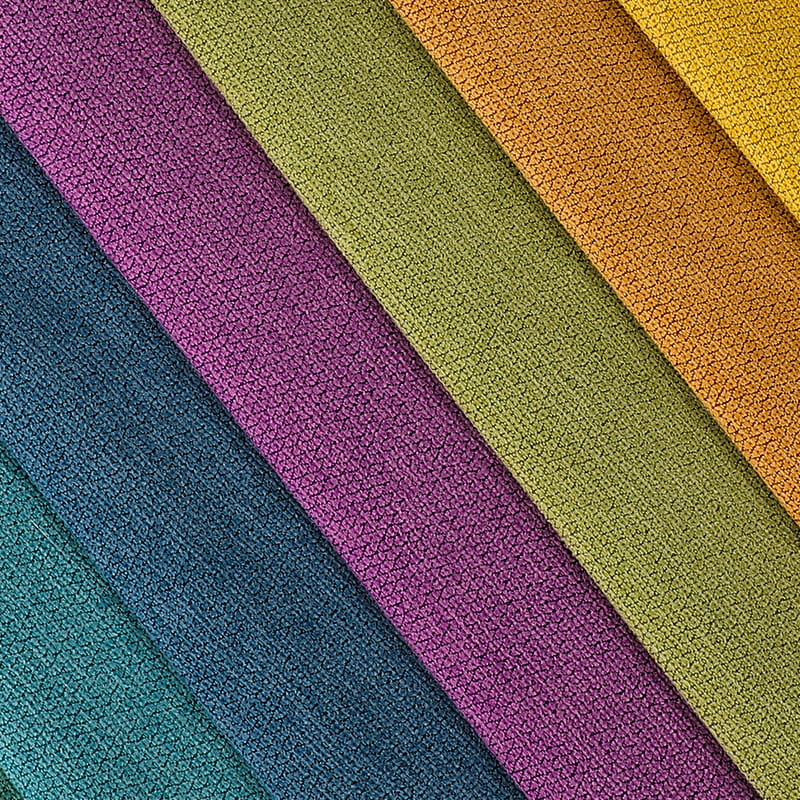 Blackout Velvet Curtain Fabric for Sofa and Home UseThis blackout velvet curtain fabric blocks light effectively while offering a durable surface for high-traffic areas. With proper vacuuming and periodic deep cleaning, it maintains appearance and performance for years.View Product →
Cleaning and Maintenance for Long-Term Pile Quality
Weekly vacuuming, immediate blotting of spills, and professional deep cleaning every 12 to 18 months will keep a polyester Holland velvet looking and feeling new for eight to ten years.
- Vacuum weekly with a soft brush attachment. Never use a rotating beater bar; it flattens the pile and can create permanent shading.
- Blot spills immediately with a dry white cloth, working from the outside edge toward the center to avoid spreading the stain.
- For set-in marks, dab with a solution of mild detergent diluted in cool water, then pat dry with a microfiber cloth.
- Protect the fabric from prolonged direct sunlight. Ultraviolet light fades the dye and degrades the polyester face over time.
- Schedule professional steam cleaning every 12-18 months. Polyester Holland velvet tolerates controlled steam well, but confirm the care label first.
Frequently Asked Questions
Is Holland velvet upholstery fabric durable enough for everyday sofa use?
Yes. A polyester Holland velvet with a Martindale rating of at least 30,000 cycles and a pilling grade of 4 or higher survives daily household use for more than 7 years, based on standard abrasion testing.
What is the difference between Holland velvet and traditional woven velvet?
Traditional velvet is loom-woven, often from silk or cotton, which gives a plush pile but lower abrasion resistance and higher cost. Holland velvet is warp-knitted from polyester, producing a shorter, denser pile with better dimensional stability and easier care.
Can the same Holland velvet be used for sofas and curtains?
Yes, but choose the right weight: 300-450 gsm for upholstery and 200-280 gsm for drapery. Some mills supply a combined "sofa furniture curtain fabric" in one dye lot so the colors match perfectly between furniture and window treatments.
What should I check before buying Holland velvet from a factory?
Confirm the Martindale rating, pilling grade, seam-slippage data, backing construction, and color-fastness reports. Ask for a pre-production sample cut from the same dye lot that will run in bulk production.