English
 Español
Content
- In-depth Analysis of Fabric Materials and Comfort
- Balancing Functionality and Durability
- Integration of Aesthetics and Design
- Environmental Friendliness and Health Considerations of Fabrics
- FAQ
- Q: What is the difference between home furnishing fabrics and ordinary fabrics?
- Q: What performance characteristics should be prioritized when choosing furniture fabrics?
- Q: What are the advantages of natural fibers and synthetic fibers in home furnishing fabrics?
- Q: How to judge the comfort and durability of a fabric?
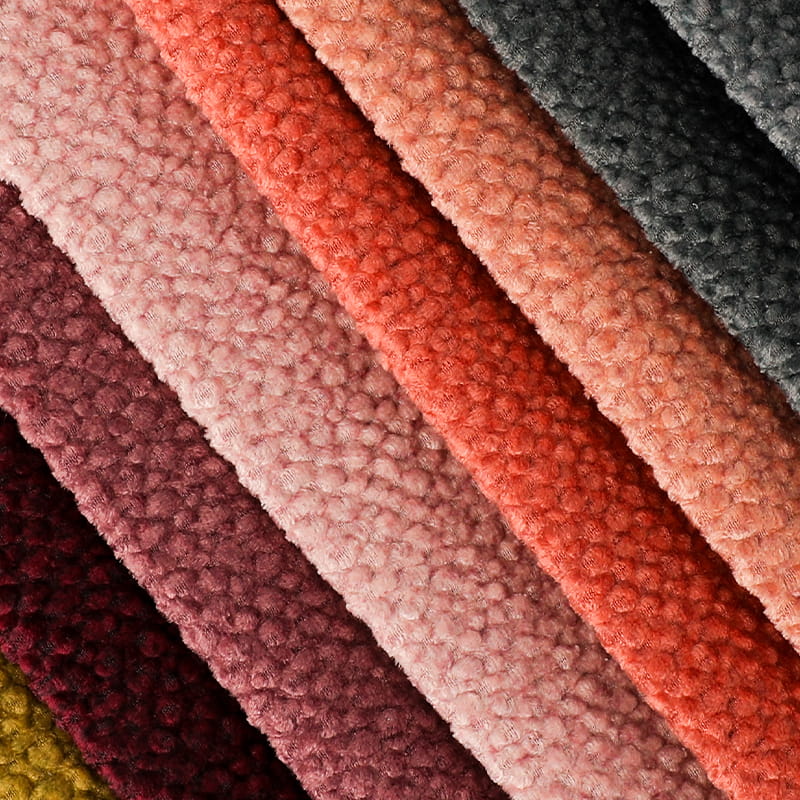
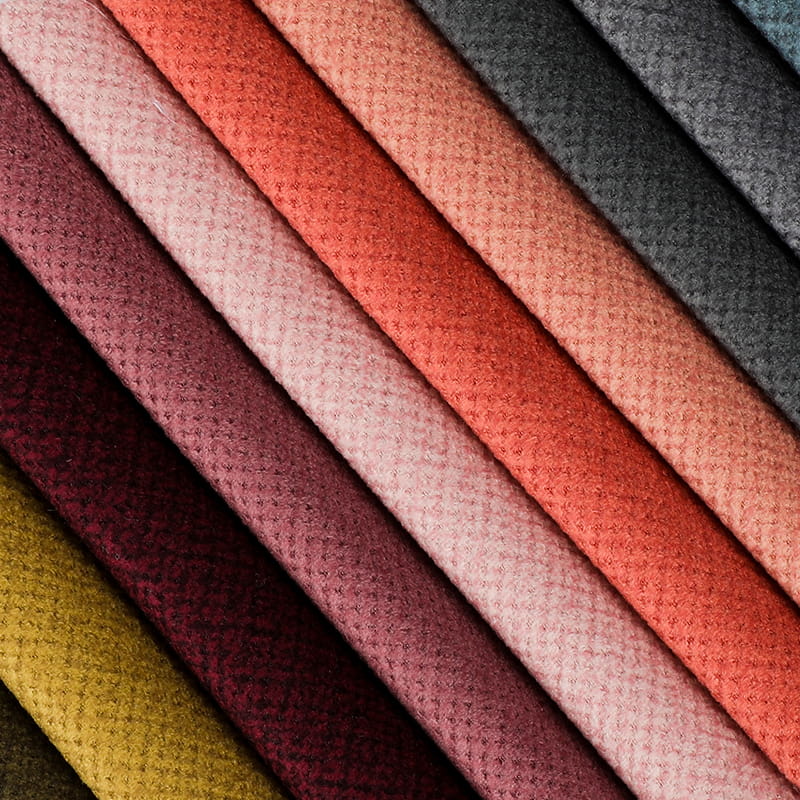
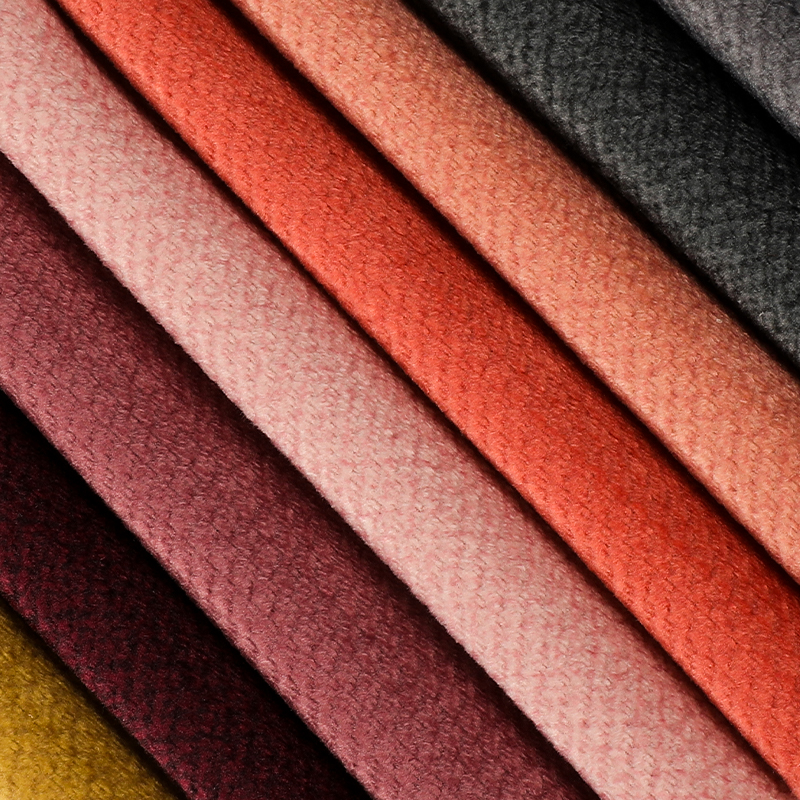
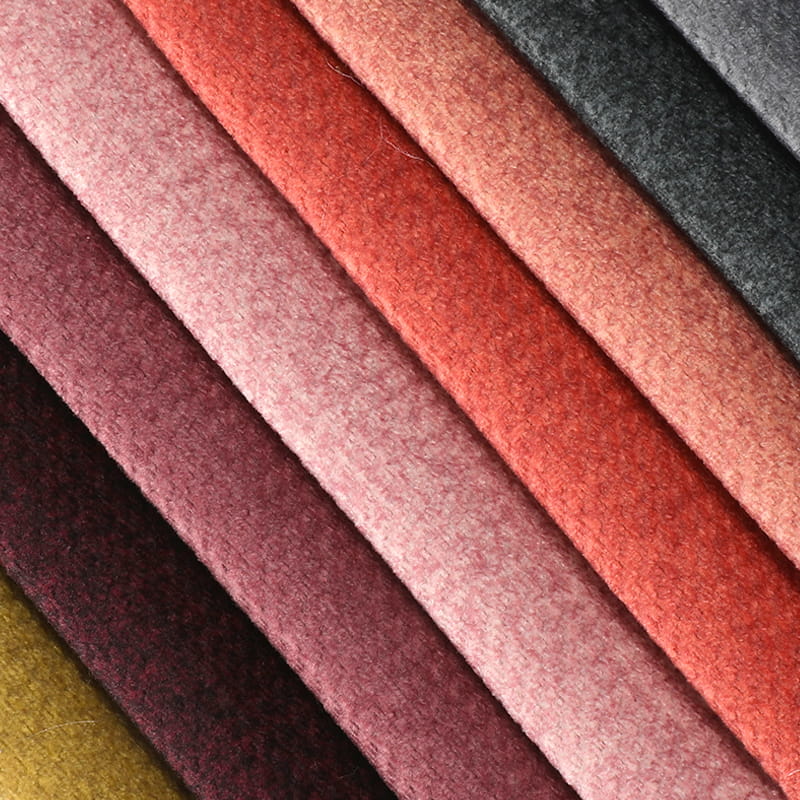
In modern home living, upholstery home textile fabrics are not just decorative tools, but a comprehensive embodiment of comfort, durability, and aesthetics. As people's demands for living quality continue to rise, the selection of furniture fabrics has become an indispensable part of home design. From sofas and armchairs to headboard cushions, every piece of fabric carries the multiple missions of comfort, functionality, and visual appeal.
In-depth Analysis of Fabric Materials and Comfort
The comfort of upholstery home textile fabrics primarily comes from the choice of materials. Natural fibers such as cotton, linen, and silk are widely used in high-end home fabrics due to their breathability and softness. Cotton fabrics are soft and skin-friendly, with a natural feel, suitable for furniture surfaces that come into direct contact with the skin; linen fabrics, with their unique texture and slightly firm feel, are durable and suitable for creating a natural and casual space; silk fabrics have a strong luster and can add a sense of luxury and visual highlights to furniture. Compared with natural fibers, synthetic fibers such as polyester and acrylic have stronger wear resistance and stain resistance, while maintaining a certain soft touch. After special processing, synthetic fabrics perform excellently in terms of waterproofing and stain resistance, making them suitable for furniture with high daily use frequency in the home.
Comfort is not only determined by the material itself but also closely related to the fabric structure. The density of the fabric, the thickness of the yarn, and the weaving method all directly affect its feel and support. High-density fabrics have a firm feel and strong durability, suitable for sofas and chairs that are used for a long time; while low-density fabrics are soft and light, with a comfortable touch, often used for cushions and decorative fabrics. The thickness and elasticity of the fabric also affect the sitting and tactile experience. Therefore, choosing a fabric structure suitable for the specific function of the furniture is a core aspect of a comfortable home experience.
Balancing Functionality and Durability
Home furnishing fabrics not only pursue visual aesthetics but also need to possess functionality and durability. The wear resistance of the fabric directly relates to the service life of the furniture. High-strength fibers, through fine weaving and surface treatment, can withstand long-term friction without easily pilling or damage. At the same time, the application of anti-stain and waterproof treatment technologies makes furniture easier to clean and maintain in daily life. Whether it's water absorption, breathability, or lightfastness, these are all important indicators for judging the quality of fabrics. For example, stain-resistant fabrics can be quickly cleaned in case of accidental spills or oil stains, while lightfast fabrics maintain their color vibrancy and do not fade easily due to sunlight exposure.
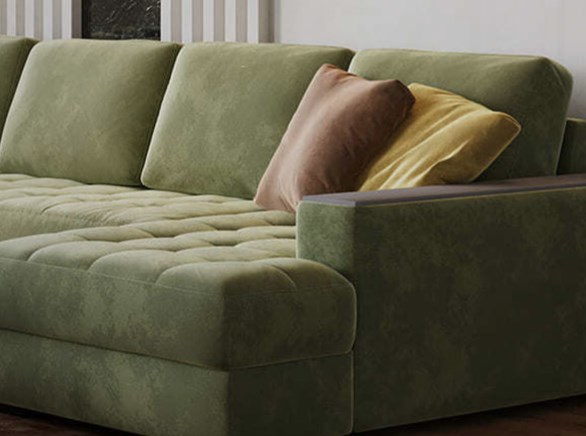
The elasticity and resilience of fabrics also play an important role in their use. Appropriate elasticity ensures comfortable seating and maintains the integrity of the furniture's shape, while preventing the fabric from becoming loose or deformed due to long-term use. Modern home furnishing fabrics achieve a balance between softness, durability, and elasticity through fiber blending and finishing techniques, making furniture both beautiful and practical.
Integration of Aesthetics and Design
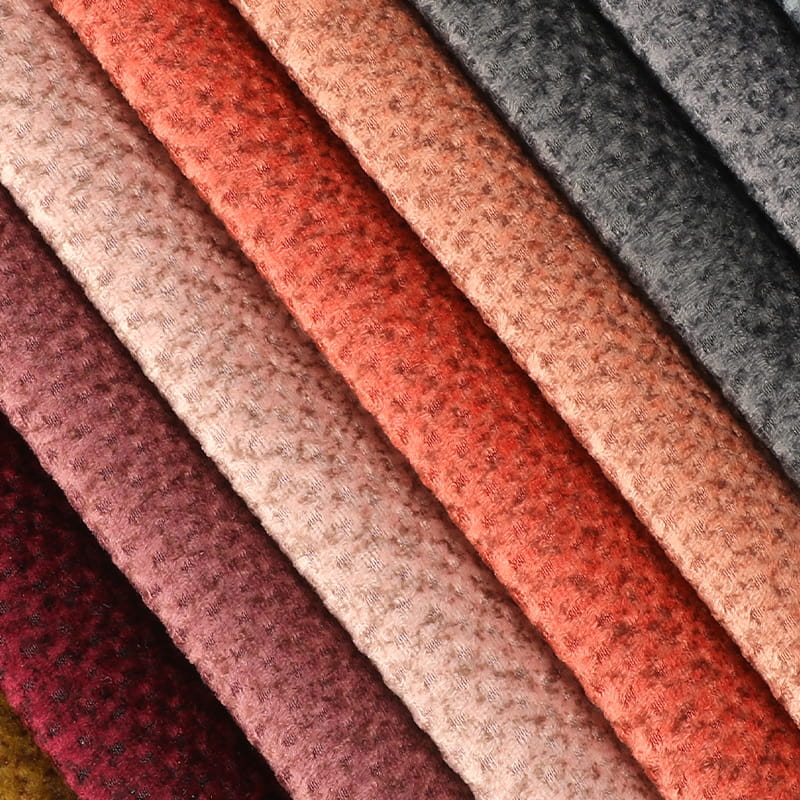
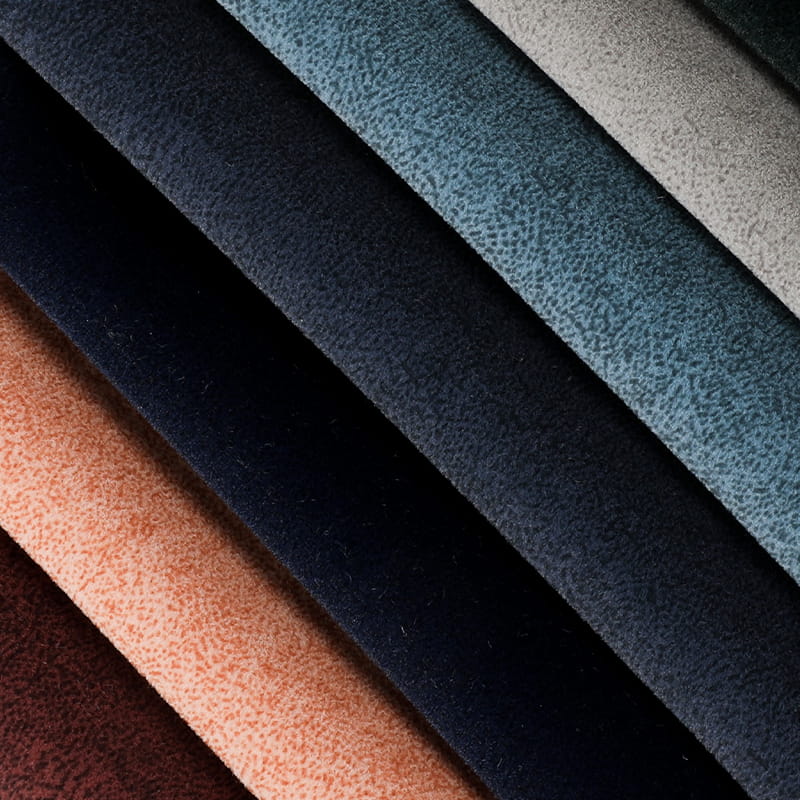
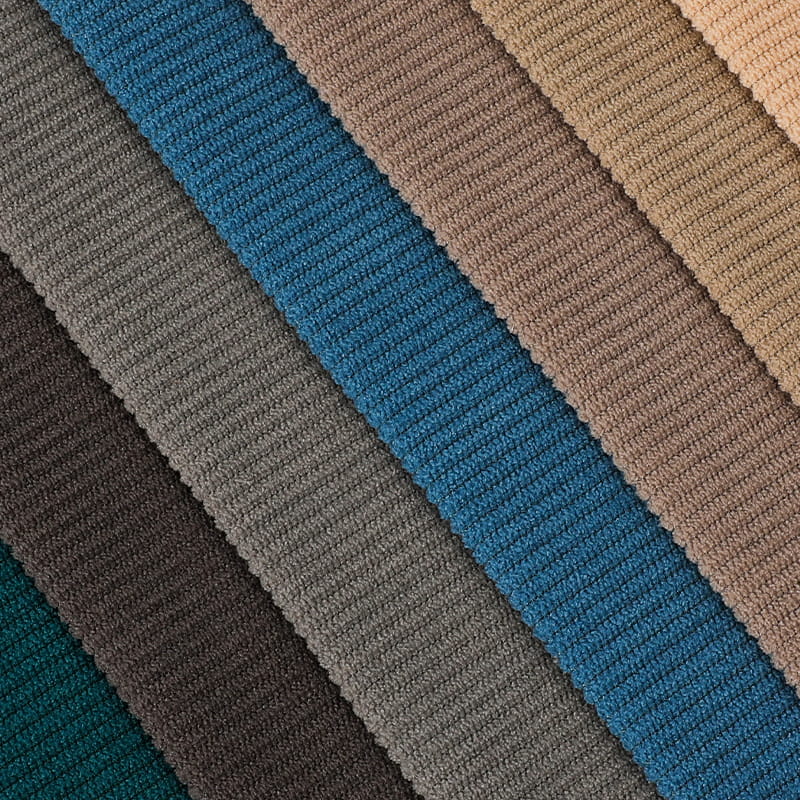
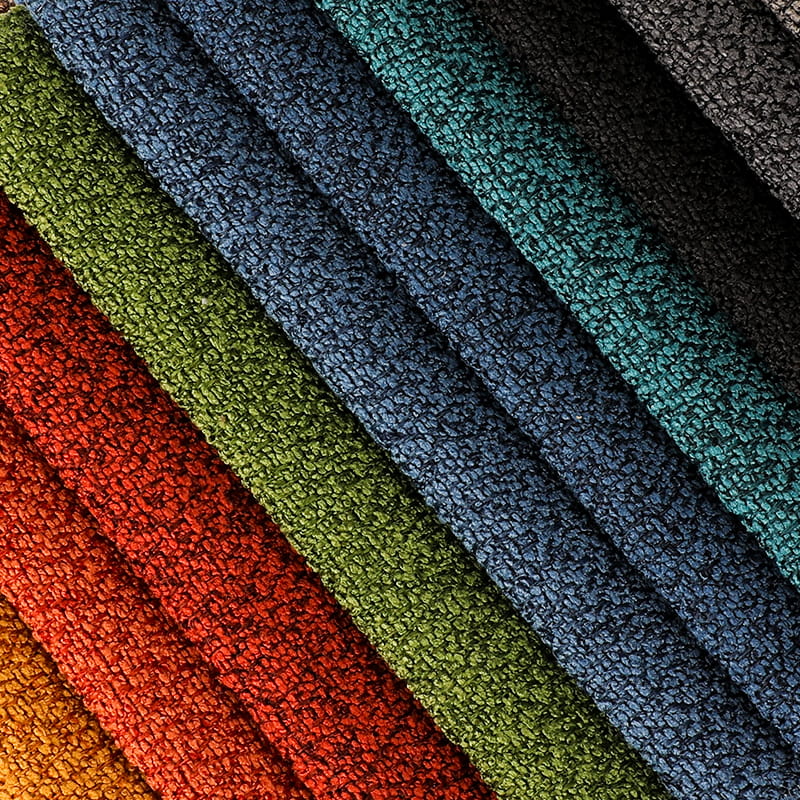
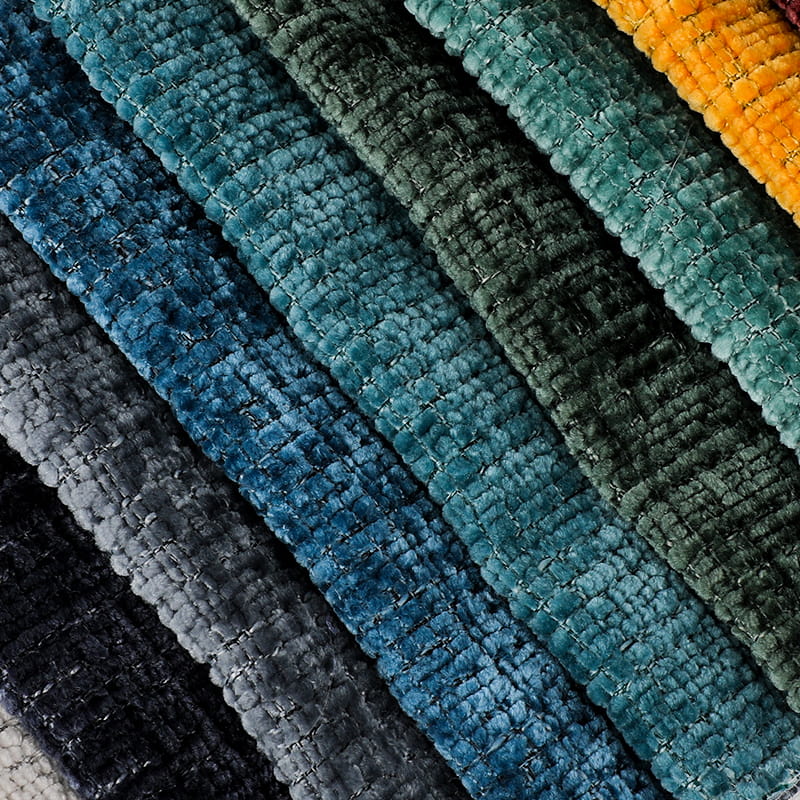
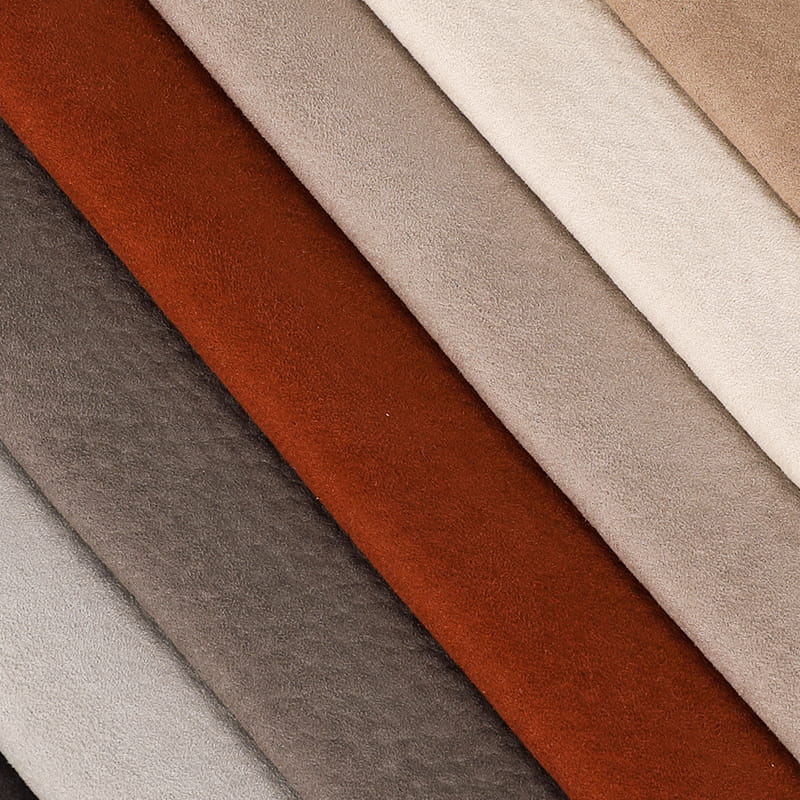
In addition to functionality, visual aesthetics are a crucial aspect of home furnishing textiles. The color, texture, luster, and pattern design of fabrics directly influence the spatial atmosphere. Soft-toned fabrics can create a warm and tranquil environment, while dark tones add a sense of stability to the space. Lustrous fabrics, when illuminated, present a layered effect, enhancing the texture of the furniture. Texture design is also a key factor; different processes such as plain weave, twill weave, jacquard, and velvet give fabrics different visual effects and tactile experiences, providing more creative possibilities for home spaces.
In modern home design, the selection of fabrics is not limited to a single piece of furniture, but is coordinated with the overall spatial color, style, and materials. High-quality home furnishing textiles can transform furniture from a functional carrier into a design focal point of the space, achieving a unity of overall aesthetics and local details through color matching and texture combinations. The texture of the fabric presents different layers under lighting, making the home space more vibrant and sophisticated.
Environmental Friendliness and Health Considerations of Fabrics
With increasing attention to quality of life, environmental friendliness and health have become indispensable factors in home furnishing fabrics. Natural fiber fabrics inherently possess good environmental performance, and the use of low-pollution processes and dyeing techniques in the production process reduces the burden on the environment. For indoor use, fabrics with low volatile organic compounds (VOCs) can reduce the impact on air quality and ensure the health of family members. Whether for children's rooms or living room furniture, choosing environmentally friendly and healthy fabrics not only reflects a lifestyle attitude but also complies with modern home safety standards.
Overall, upholstery home textile fabric is not only a covering material for furniture, but also a comprehensive embodiment of comfort, functionality, aesthetic value, and health and environmental protection. From material selection to structural craftsmanship, from durability to tactile experience, every detail is crucial to home quality. For those who pursue lifestyle aesthetics and comfortable experiences, understanding fabric characteristics and choosing the right fabric can transform furniture from mere tools of daily life into delightful artistic elements in the living space.
FAQ
Q: What is the difference between home furnishing fabrics and ordinary fabrics?
A: Home furnishing fabrics are specifically designed for furniture use, emphasizing wear resistance, elasticity, lightfastness, and stain resistance, while ordinary fabrics focus more on wearing comfort and appearance, with lower durability and functionality.
Q: What performance characteristics should be prioritized when choosing furniture fabrics?
A: Wear resistance, tactile comfort, elasticity, stain resistance, and colorfastness are key indicators. Different types of furniture require different fabrics depending on their actual use environment.
Q: What are the advantages of natural fibers and synthetic fibers in home furnishing fabrics?
A: Natural fibers are breathable, soft, and environmentally friendly, with a natural look and feel; synthetic fibers are wear-resistant, easy to clean, and wrinkle-resistant, making them more suitable for frequently used furniture.
Q: How to judge the comfort and durability of a fabric?
A: This can be judged comprehensively through feel, density, yarn thickness, weaving method, and resilience. High density and reasonable elasticity usually mean greater durability and sitting comfort.