English
 Español
Content
In home decoration, the sofa is not only one of the most important pieces of furniture in the home, but also a symbol of comfort and beauty. It holds many moments of daily life, so choosing a suitable sofa fabric is especially important. Sofa furniture fabric not only affects the user experience but also influences the overall home style and visual effect. When choosing a sofa, the fabric selection is a crucial aspect. Different fabrics have different textures, durability, cleaning difficulty, and appearance. Understanding these characteristics can help you make a more informed decision.
Types and Characteristics of Sofa Furniture Fabrics
Sofa furniture fabrics come in a wide variety, each with its own characteristics. Common fabrics include fabric upholstery, leather upholstery, and blended materials. The uniqueness of each fabric is not only reflected in its appearance but also directly affects the sofa's comfort, durability, and ease of cleaning and maintenance.
Fabric Upholstery
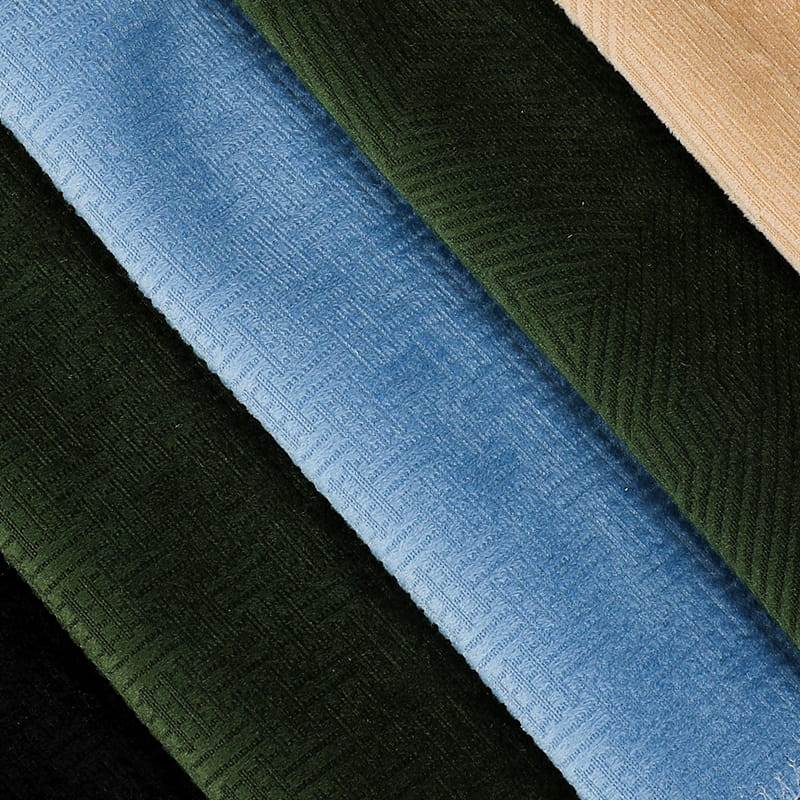
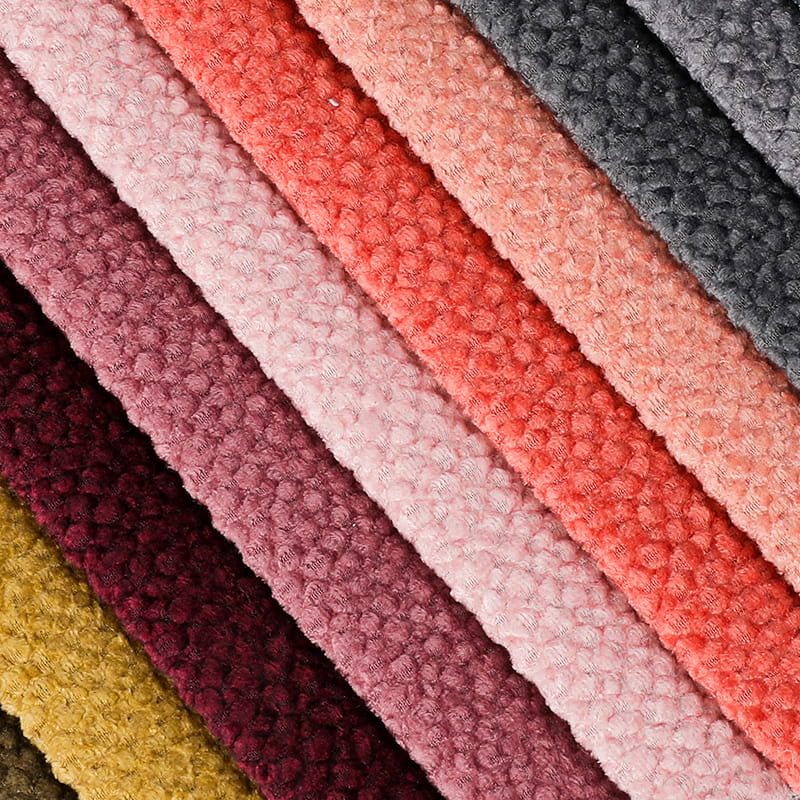
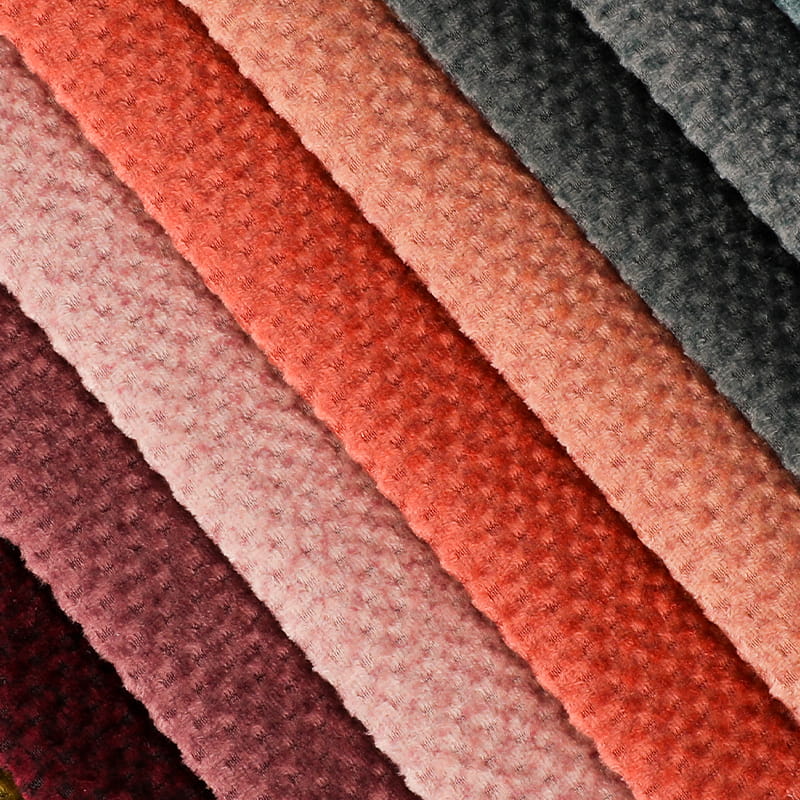
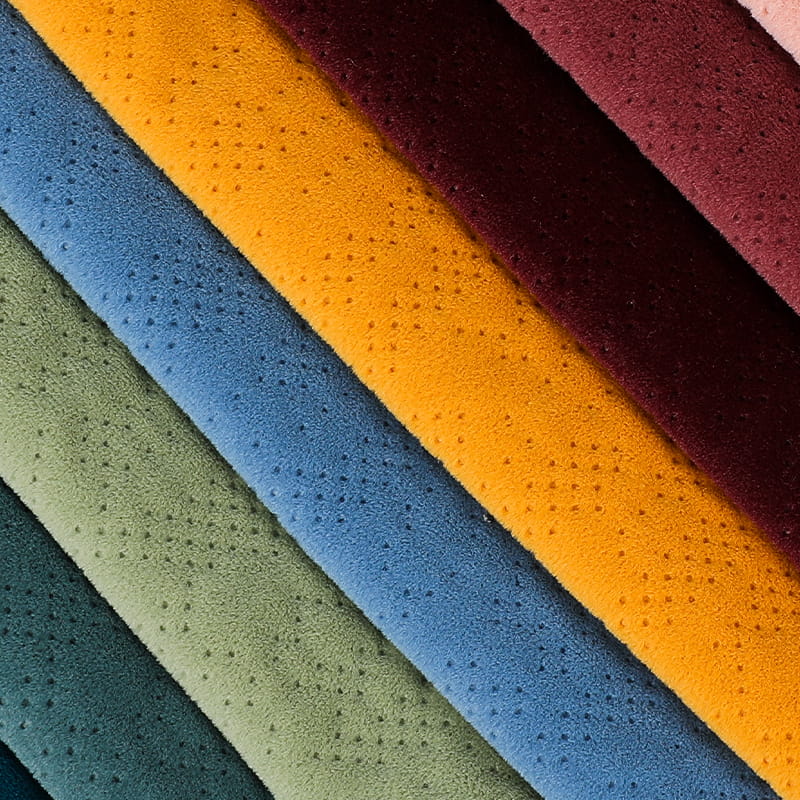
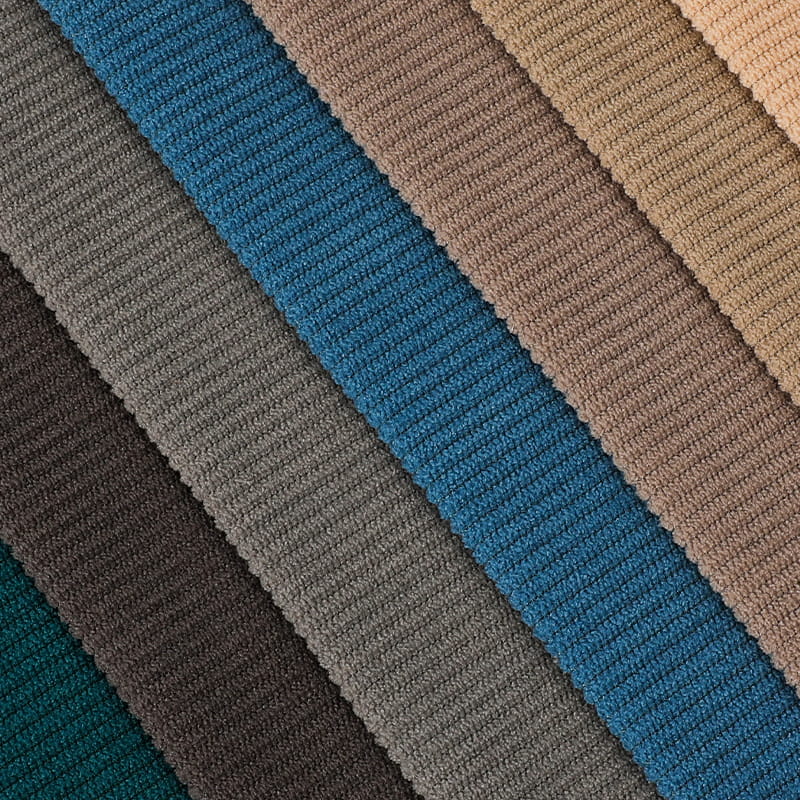
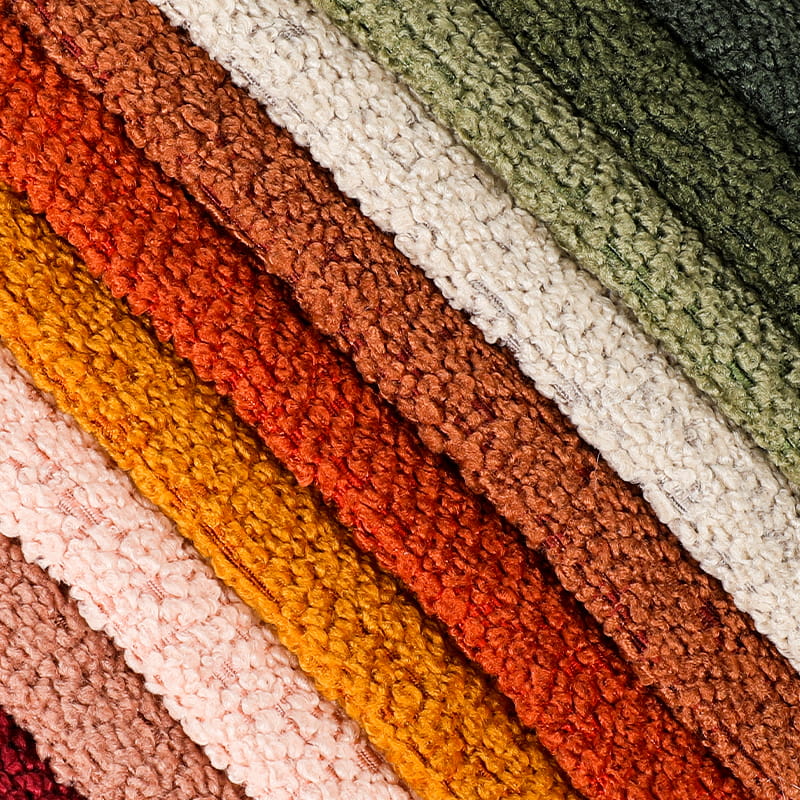
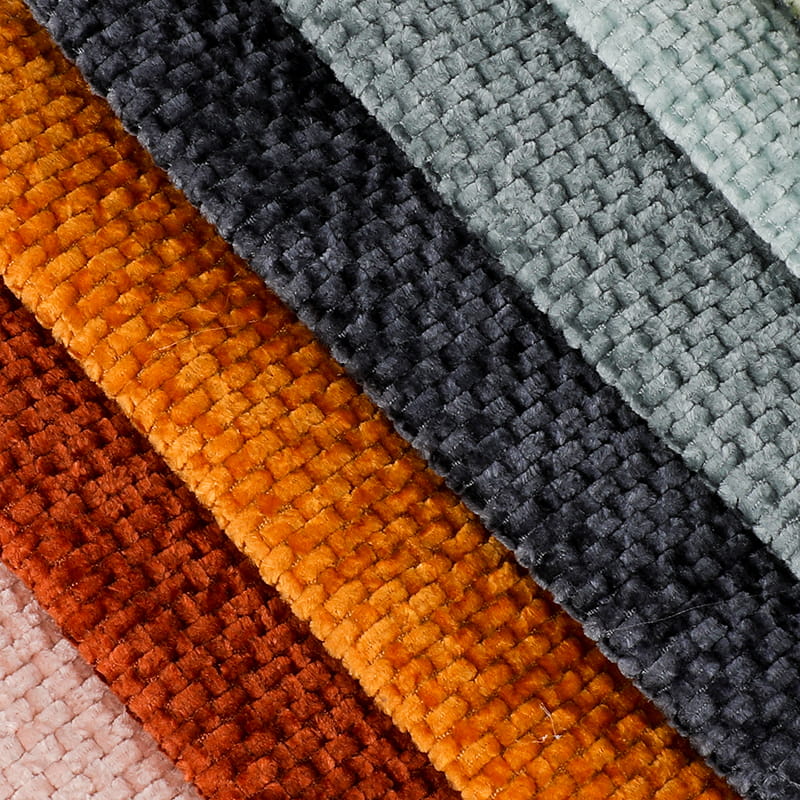
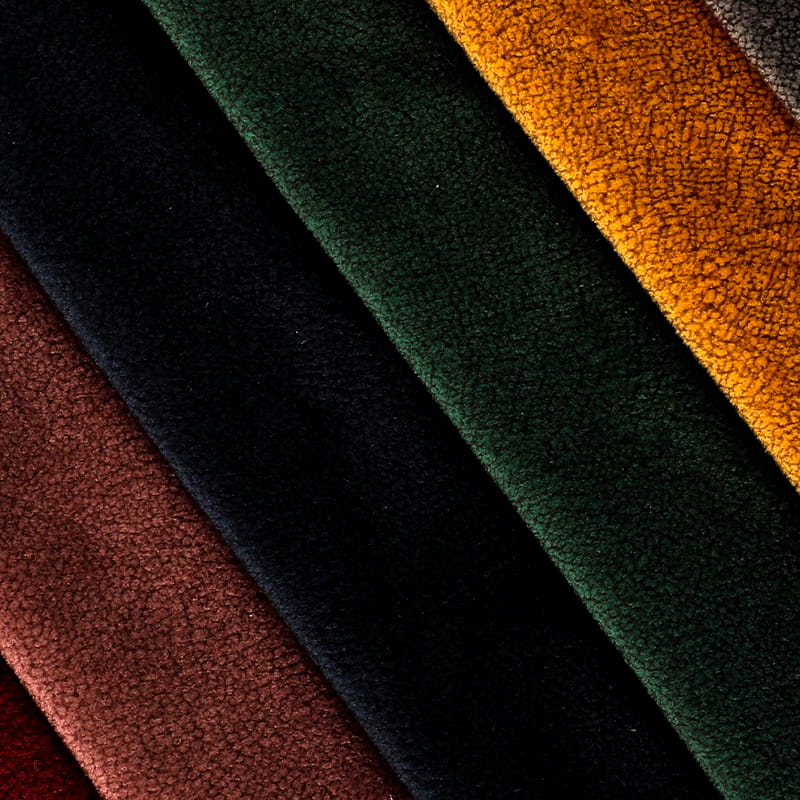
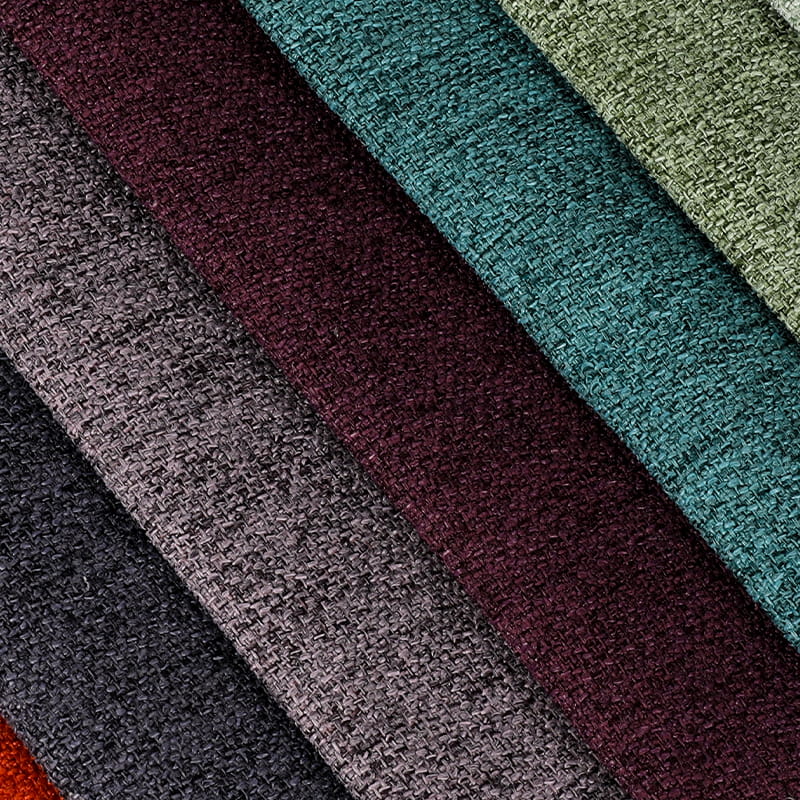
Fabric upholstery is one of the most common sofa fabrics. It is characterized by its soft touch, rich variety of colors, and ability to blend with various styles of furniture and home environments. Fabric upholstery usually uses materials such as pure cotton, linen, and polyester fibers. These fabrics are breathable and suitable for hot climates. Linen fabric, in particular, provides a natural and refreshing feel, but it is relatively prone to wrinkles and requires regular maintenance.
Leather Upholstery
Leather upholstery is another high-end option, usually offering strong durability and a luxurious feel. Leather sofas are not only smooth and exquisite in appearance but also offer excellent comfort, giving a sense of stability and sophistication. The biggest advantage of leather fabric is its ease of cleaning, making leather sofas ideal for families with pets or children. However, leather sofas are sensitive to moisture and temperature changes and may require special care and maintenance.
Blended Materials
Modern homes also feature many blended fabrics, which usually combine natural materials with synthetic fibers. This maintains the comfort of natural fibers while enhancing the durability of synthetic fibers. These fabrics are generally more durable and stain-resistant, making them ideal for high-frequency use in homes or office environments.
How to Choose Sofa Fabric that Suits Your Home Style?
When choosing sofa fabric, home style is an indispensable factor. Different fabric styles, combined with the overall home design, can add significant beauty to your home. For modern minimalist home styles, simple and elegant fabric upholstery is often chosen, paired with neutral tones or vibrant solid colors, creating a fresh yet lively feel. For traditional European styles or luxurious spaces, leather sofas are undoubtedly the most suitable choice, showcasing the high-end quality of the home and enhancing the overall spatial layering.
If your home style leans towards natural and fresh aesthetics, you can choose linen or cotton-linen blend fabrics. These materials have a natural and simple texture, complementing wooden furniture or natural elements, creating a warm and relaxing atmosphere. In some country or vintage style homes, sofas with richly patterned fabric upholstery often bring more layers and interest to the space.
Sofa Fabric Comfort and Durability
Besides appearance, the comfort of the sofa is also a key consideration when choosing sofa fabric. Comfort is usually closely related to the fabric's softness, breathability, and feel. Fabric upholstery is generally softer and can adapt to different body types and sitting postures. Cotton and linen fabrics, in particular, have good breathability, preventing a stuffy or damp feeling when sitting on the sofa, making them suitable for most families.
Leather sofas are generally firmer, providing a more supportive and enveloping feel. While not as soft as fabric upholstery, they offer stronger support and are less prone to deformation with prolonged use. Therefore, leather sofas maintain their shape and structure better over time. In daily use, cleaning and maintenance of leather upholstery is relatively easy; a simple wipe is usually sufficient to keep it clean.
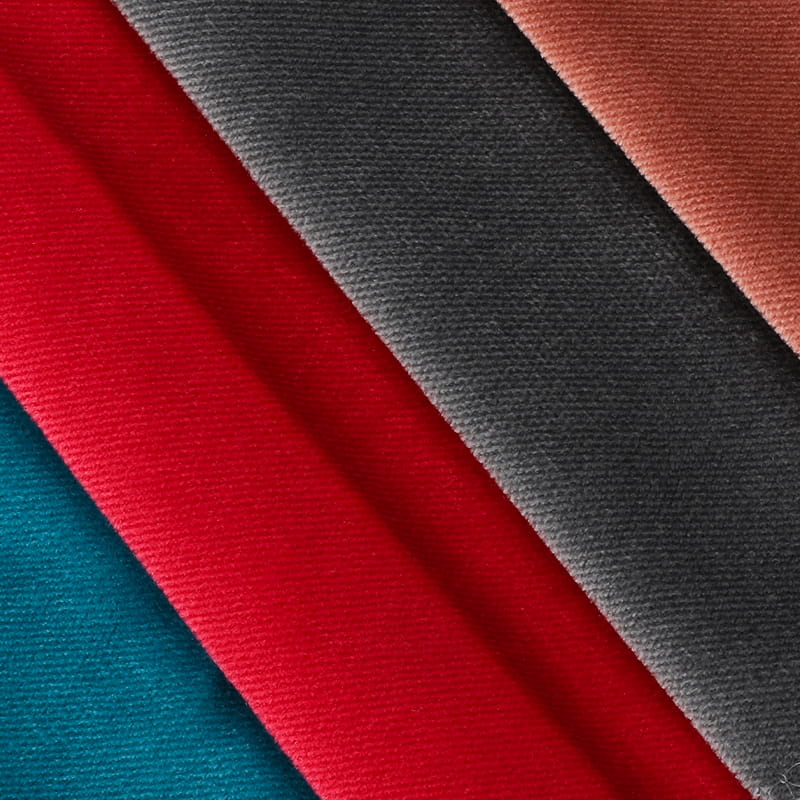
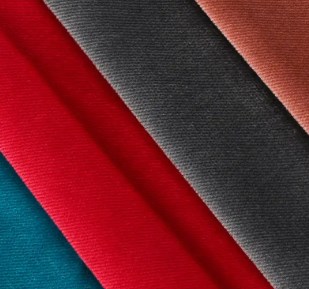
The durability of a sofa is usually related to the fabric material and weaving method. For example, velvet fabric sofas, despite their soft feel, are relatively prone to wear and tear. Some high-density woven fabric sofas are more durable and have a longer lifespan. For families requiring high durability, thick and durable fabrics such as thickened cotton or high-density polyester fiber fabrics can be chosen.
Sofa Fabric Cleaning and Maintenance
Regardless of the type of sofa fabric, daily cleaning and maintenance are very important. For fabric sofas, regularly using a vacuum cleaner to remove surface dust and promptly treating stains can effectively extend their lifespan. For more difficult stains, it is recommended to use professional cleaning agents or dry cleaning services to avoid damaging the fabric's texture.
Cleaning leather sofas is relatively simple; usually, wiping with a damp cloth is sufficient. However, direct sunlight should be avoided to prevent the leather from cracking. To maintain the leather's softness, you can regularly use leather conditioning oil to keep it shiny.
Frequently Asked Questions (FAQ)
1. Which sofa fabric is the most stain-resistant?
For families with children or pets, stain-resistant sofa fabric is crucial. Leather and synthetic fiber fabrics are relatively easier to clean and have stronger stain resistance. For fabric sofas, choosing tightly woven polyester fiber fabrics or materials with stain-resistant treatment can also improve stain resistance.
2. Which sofa fabric is suitable for long-term use?
If you prioritize durability, you can choose leather or high-density fabric. Leather sofas are less prone to deformation with long-term use and are easy to clean. Some high-density woven fabrics, such as thickened cotton, also have strong durability.
3. Do fabric sofas fade easily?
The fading of fabric sofas is usually related to the material and dyeing process. Generally, higher-quality fabric sofas use lightfast dyes, resulting in less fading. To prevent fading, avoid exposing the sofa to strong sunlight for extended periods.
4. Is leather sofa maintenance difficult?
Maintaining a leather sofa is not complicated; regular cleaning and conditioning are key to keeping the leather soft and shiny. Wiping with a damp cloth and applying leather conditioning oil can effectively extend the lifespan of the leather. Avoid direct contact with sharp objects or overheated objects to prevent damage.
5. How to choose the right sofa fabric for yourself?
When choosing sofa fabric, you should first consider the usage environment and personal preferences. If you pursue a comfortable and natural feel, you can choose fabric; if you value durability and ease of cleaning, a leather sofa is a good choice. Choosing a fabric that suits your family's needs will not only enhance the aesthetics of your home but also ensure the comfort and practicality of your sofa.