English
 Español
Choosing the Right Upholstery: The Ultimate Conclusion
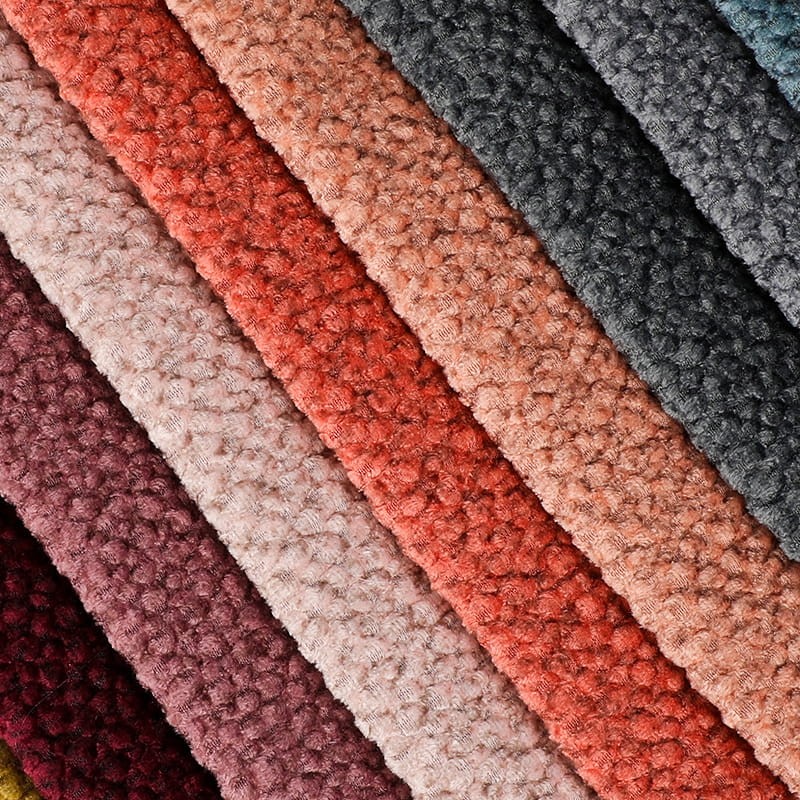
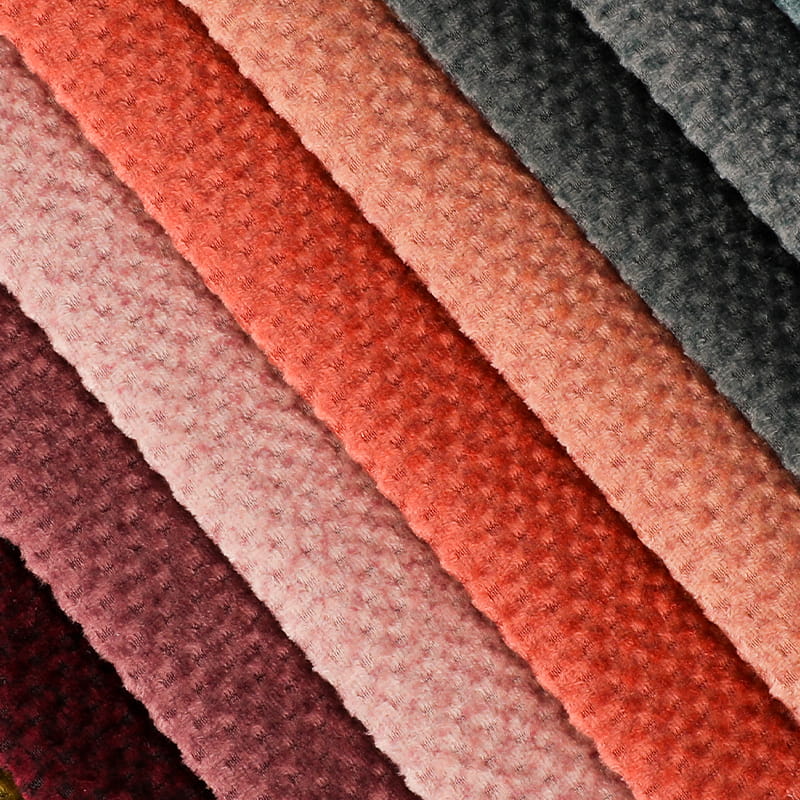
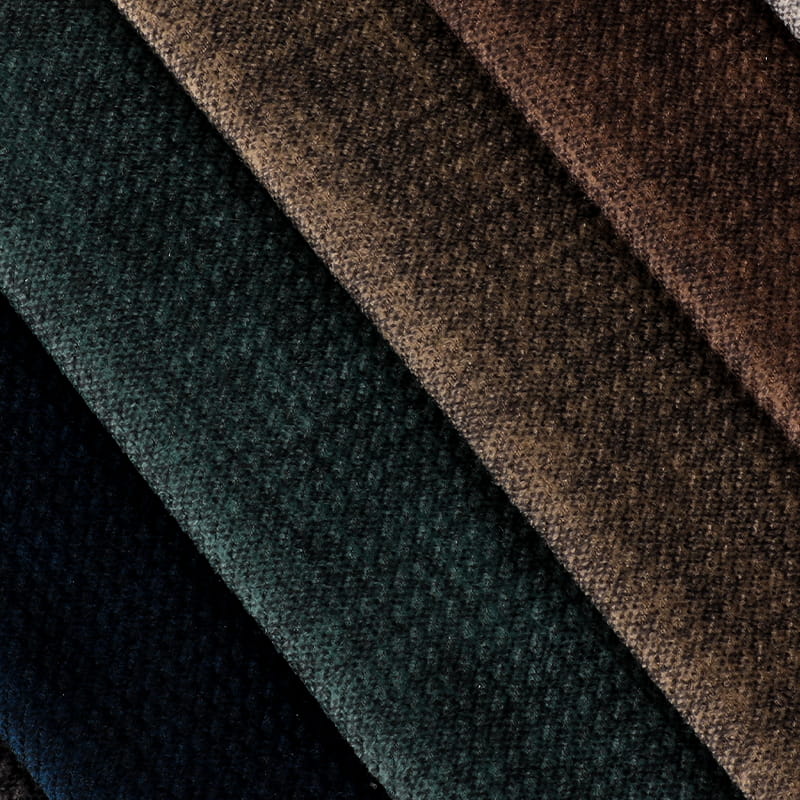
When it comes to selecting the ideal sofa furniture fabric, the ultimate solution lies in matching the material's physical properties with your household's specific lifestyle demands. For families with young children or active pets, synthetic blends or high-performance microfibers are the best choices due to their superior resistance to wear, stains, and clawing. Conversely, natural fibers like cotton or linen are exceptional for low-traffic, eco-conscious spaces where breathability and organic textures are prioritized. For those seeking an elevated aesthetic, velvet and leather offer distinct tactile experiences and visual luxury, though they require dedicated maintenance routines. Understanding the balance between aesthetics, durability, and upkeep will ensure your sofa remains a centerpiece of comfort and style for years to come.
Understanding Natural Fibers and Their Characteristics
Natural fibers have been the cornerstone of furniture upholstery for centuries. They are celebrated for their comfort, breathability, and environmentally friendly origins. However, they behave very differently from synthetic options when exposed to daily wear and tear.
Cotton Upholstery
Cotton is a highly popular choice due to its soft hand feel and excellent breathability. It absorbs dyes beautifully, offering a vast spectrum of color options. While pure cotton is comfortable, it is prone to wrinkling and can soil easily if not treated. Often, manufacturers will blend cotton with synthetic fibers to enhance its durability and resistance to fading while maintaining its natural feel. Heavyweight cotton canvas or duck cloth is significantly more durable than standard cotton weaves and is well-suited for casual living spaces.
Linen Weaves
Linen is derived from the flax plant and is highly regarded for its crisp, cool texture. It possesses a distinctive, slightly textured appearance that adds organic elegance to any room. Linen is naturally hypoallergenic and resists pilling. However, it lacks elasticity, meaning it wrinkles and creases easily. Furthermore, linen is susceptible to fading in direct sunlight. It is best utilized in formal living rooms or adult-focused spaces where the risk of spills and rough play is minimal.
The Rise of Synthetic Blends and Microfibers
Modern manufacturing techniques have engineered synthetic fabrics that mimic the look and feel of natural materials while vastly improving durability and stain resistance. These materials are designed to withstand the rigors of busy modern households.
Polyester and Microfiber
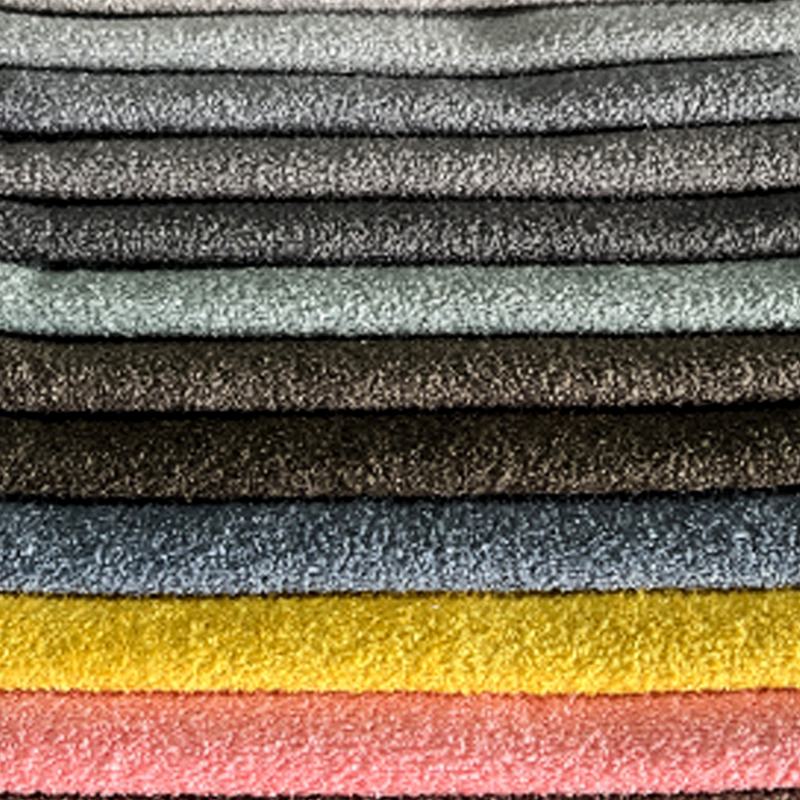
Polyester is a versatile synthetic fiber frequently used in sofa upholstery. When woven into microfiber, it creates an incredibly soft, plush surface that resembles suede. Microfiber is tightly woven, making it highly resistant to liquids, which means spills bead up on the surface rather than soaking in immediately. This tight weave also makes it difficult for pet hair to penetrate the fabric, making it exceptionally easy to clean and maintain.
High-Performance Engineered Fabrics
Beyond standard polyester, there are engineered synthetic fabrics designed specifically for high-traffic environments. These textiles are typically solution-dyed, meaning the color is integrated into the fiber during the liquid stage, resulting in unparalleled resistance to fading and bleaching. They are often waterproof, breathable, and capable of repelling stubborn stains like ink and wine without the need for chemical treatments.
Luxury Materials: Leather and Velvet
When the goal is to create a focal point of luxury and sophistication, leather and velvet are the premier choices. These materials require a different approach to both aesthetics and maintenance.
Genuine Leather Upholstery
Leather is a durable, classic material that ages gracefully, developing a unique patina over time. It is highly resistant to spills, pet hair, and odors, making it a hygienic option for families. Top-grain leather represents the highest quality, offering a balance of suppleness and strength. However, leather is susceptible to scratches from sharp claws and can dry out or crack if exposed to direct heat sources or excessive sunlight. Regular conditioning is required to maintain its suppleness.
Velvet Textures
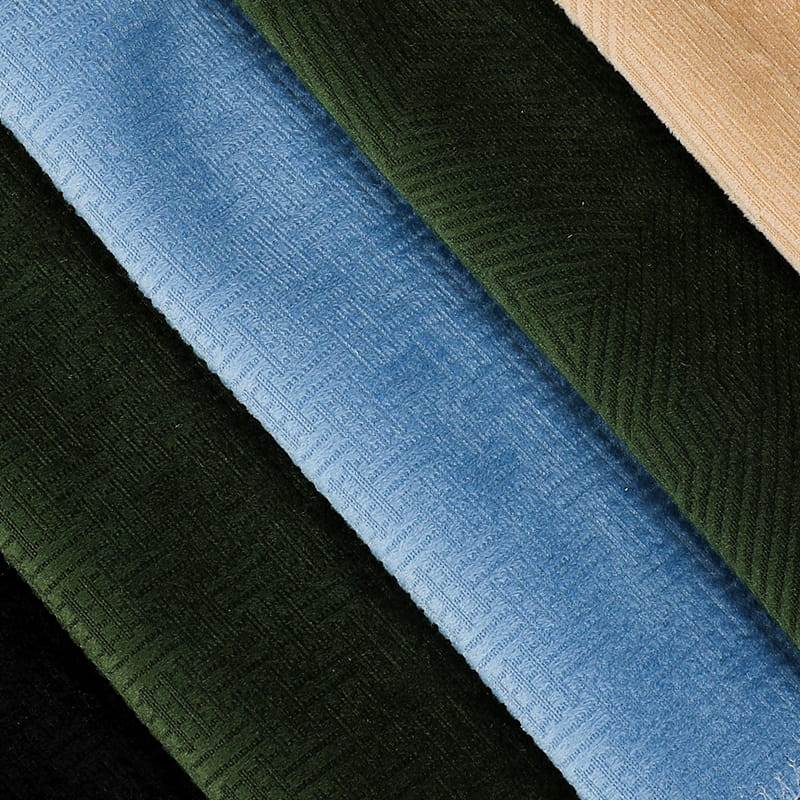
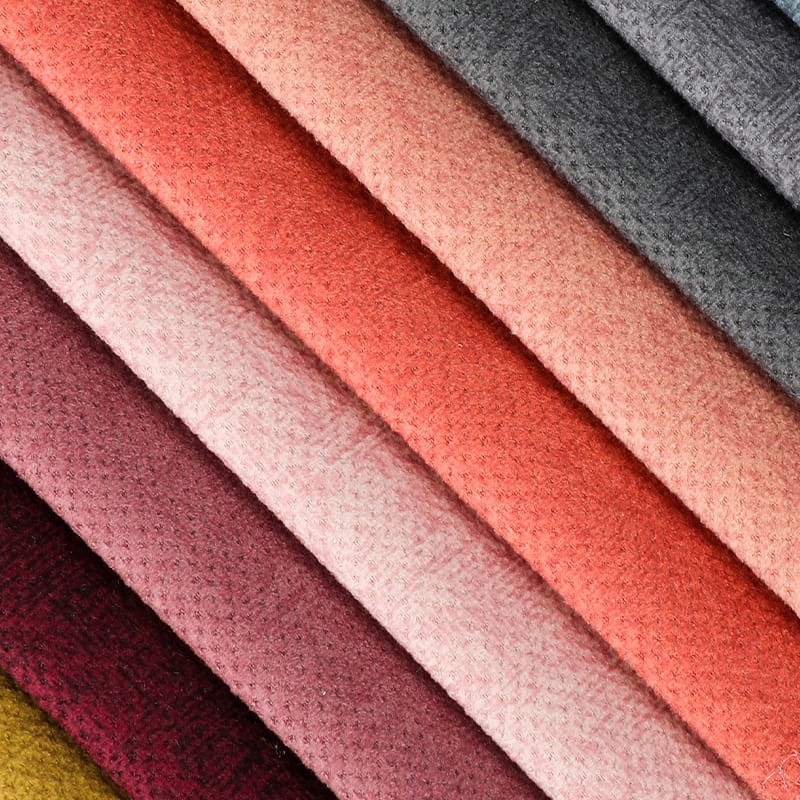
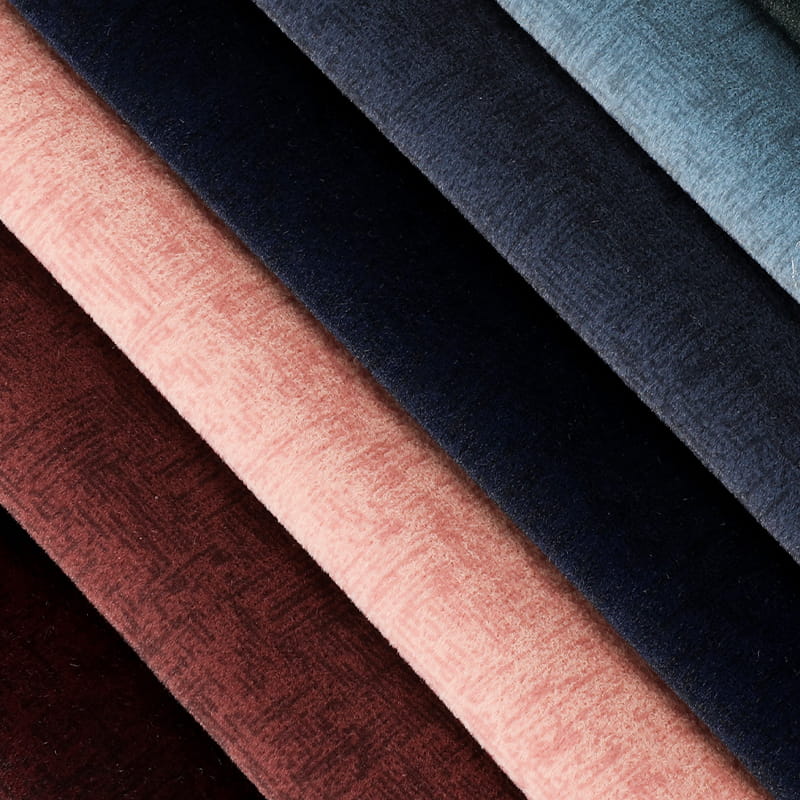
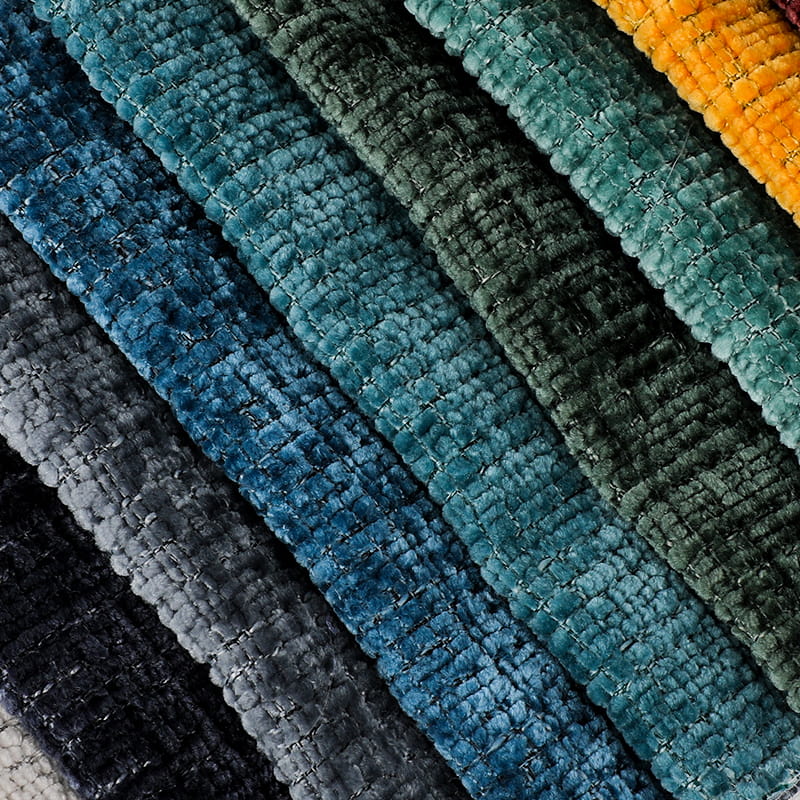
Velvet is characterized by its dense, even pile of loops and cut threads that stand straight up. This construction creates a lustrous sheen that changes color depending on the angle of the light. While traditionally made from silk, modern velvet sofa furniture fabric is usually woven from polyester or a blend, making it far more durable and affordable. Velvet adds warmth and depth to a room but requires regular brushing to prevent matting and to maintain its directional pile.
Comparative Analysis of Common Sofa Fabrics
To better visualize the differences between these materials, the following table highlights their key characteristics, helping you to make a direct comparison based on your specific needs.
| Fabric Type | Durability | Stain Resistance | Maintenance Level |
|---|---|---|---|
| Linen | Moderate | Low | High |
| Cotton Blend | Good | Moderate | Moderate |
| Microfiber | Excellent | High | Low |
| Leather | Excellent | High | Moderate |
Evaluating Durability and Lifestyle Compatibility
Choosing a fabric goes beyond texture and color; it requires a realistic assessment of how the sofa will be used. The concept of durability in upholstery is typically measured by the fabric's ability to withstand abrasion, tension, and repeated use without showing signs of degradation.
Assessing Abrasion Resistance
Abrasion resistance is the measure of how well a fabric holds up against friction. While industry standards use specific testing machines to determine this metric, consumers should look for fabrics with a tight weave and high thread count. Tightly woven fabrics distribute stress more evenly, preventing individual threads from snapping. Microfibers and heavy canvas weaves generally offer the highest abrasion resistance, making them ideal for high-traffic family rooms.
Considering Pets and Children
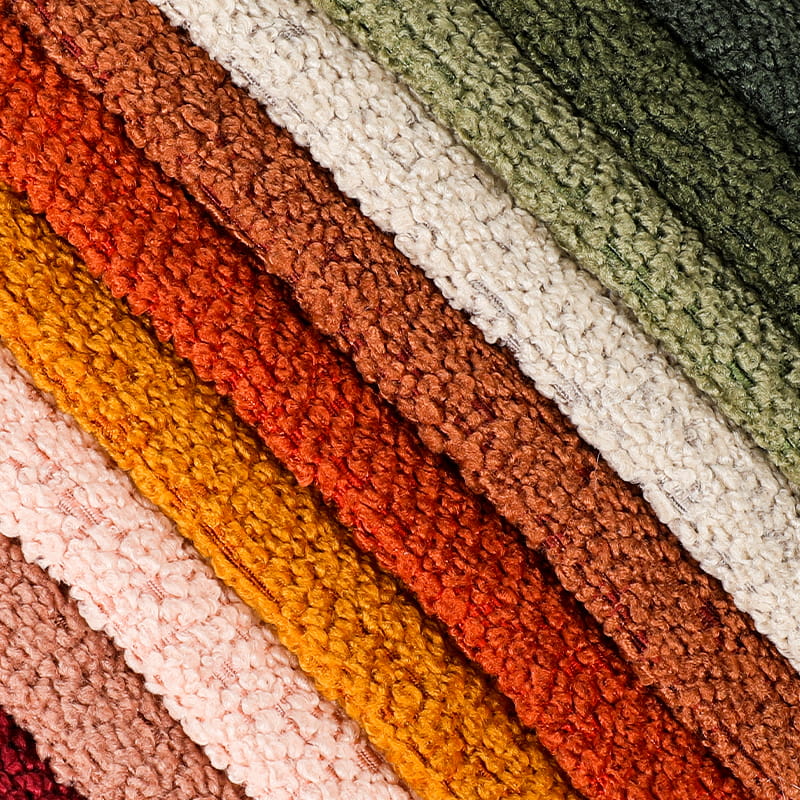
Households with pets and children face unique challenges. Pet claws can easily snag loose weaves, and children are prone to spills. In these environments, it is advisable to avoid looped fabrics or open weaves that claws can catch onto. Smooth, tightly woven microfibers or durable leathers are safer bets. Additionally, choosing a patterned fabric or a color that matches your pet's fur can help camouflage everyday hair and minor soiling.
Maintenance and Care Strategies
Even the most durable sofa furniture fabric requires proper maintenance to prolong its lifespan and keep it looking pristine. Developing a consistent care routine will prevent the buildup of dust, oils, and stains.
Routine Cleaning Practices
Regular vacuuming is the most effective way to maintain upholstery. Using a brush attachment, gently vacuum the sofa weekly to remove dust, dirt, and pet dander before they can become embedded in the fibers. For velvet, always brush in the direction of the pile to avoid crushing the fabric. Flipping and rotating cushions regularly also ensures even wear across the entire sofa.
Addressing Spills and Stains
When a spill occurs, immediate action is crucial. Blot the area gently with a clean, dry cloth—never rub, as this forces the liquid deeper into the fibers and can damage the weave. For water-soluble stains on synthetic fabrics, a mild soap and water solution can be used. Always test any cleaning solution on an inconspicuous area first. For stubborn stains or delicate materials like linen and silk blends, professional dry cleaning is highly recommended to avoid permanent damage.
- Blot up excess liquid immediately using a microfiber cloth.
- Check the manufacturer's tag for specific cleaning codes before applying solutions.
- Apply a small amount of appropriate cleaner to a cloth, not directly to the fabric.
- Dab the stain gently from the outside edges toward the center to prevent spreading.
- Allow the area to air dry completely, avoiding direct heat sources like hair dryers.
Aesthetic Integration and Environmental Considerations
The fabric you choose defines the visual character of your living space. It is the first thing people notice and sets the tone for the room's overall design scheme.
Color, Texture, and Interior Harmony
When selecting a color, consider the size of the room and the amount of natural light it receives. Light colors can make a small room feel more spacious and airy, but they show dirt easily. Dark colors or rich jewel tones add coziness to large spaces and are more forgiving of everyday wear. Texture also plays a critical role; a nubby linen introduces casual elegance, while sleek leather offers a modern, tailored look. Coordinating the fabric's sheen and texture with surrounding elements like rugs and curtains ensures a cohesive and inviting interior design.
Sustainable and Eco-Friendly Options
As environmental awareness grows, many consumers are seeking sustainable sofa furniture fabric options. Organic cotton, grown without harmful pesticides, is an excellent choice for eco-conscious households. Recycled polyester, made from post-consumer plastic bottles, offers the durability of synthetic materials while diverting waste from landfills. Additionally, natural fibers like hemp and linen are biodegradable at the end of their lifecycle, reducing their long-term environmental impact.
Final Considerations for a Long-Lasting Investment
A sofa is a significant investment, and the fabric is its first line of defense against daily life. By evaluating the specific needs of your household—balancing the presence of children and pets against your desire for luxury and aesthetic appeal—you can select a fabric that will endure. Prioritize tight weaves and solution-dyed synthetics for high traffic, embrace the natural beauty of cotton and linen for formal spaces, and indulge in leather or velvet for timeless elegance. With the right choice and proper care, your sofa furniture fabric will provide comfort and style for many years.
- Always request a fabric swatch to test the color and texture in your own home's lighting.
- Consider adding a fabric protection treatment if you choose a highly absorbent natural fiber.
- Factor in the long-term cost of professional cleaning when budgeting for delicate fabrics.