English
 Español
Content
- Introduction to Holland Velvet Fabric
- Distinctive Characteristics of Holland Velvet
- Manufacturing Process of Holland Velvet
- Material Composition and Variations
- Applications Across Industries
- Quality Assessment and Selection Criteria
- Proper Care and Maintenance
- Sustainable Aspects and Environmental Considerations
- Comparative Analysis with Alternative Fabrics
- Future Trends and Innovations
- Conclusion: The Enduring Appeal of Holland Velvet
Introduction to Holland Velvet Fabric
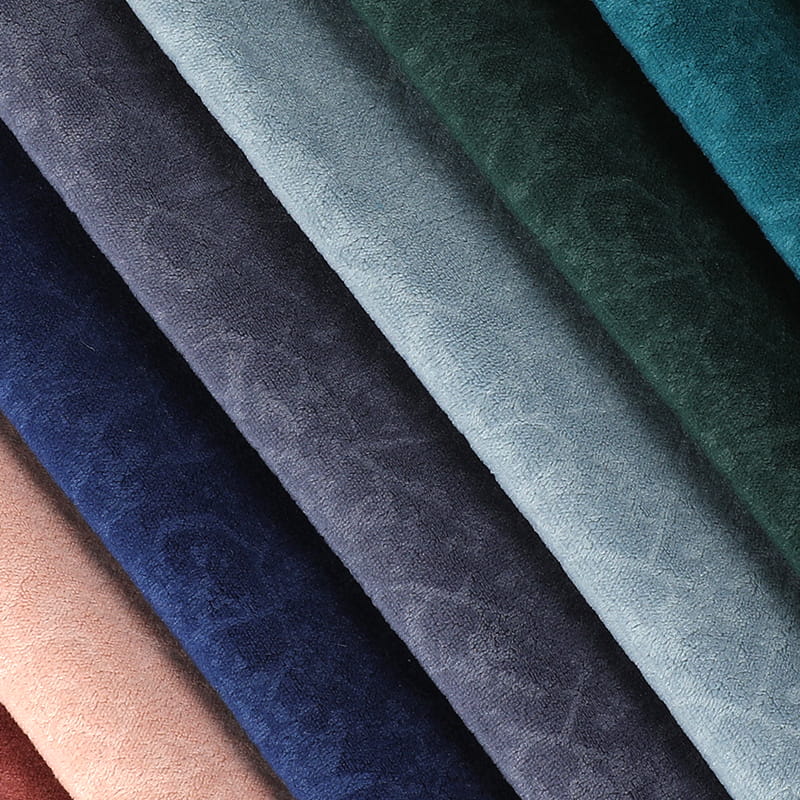
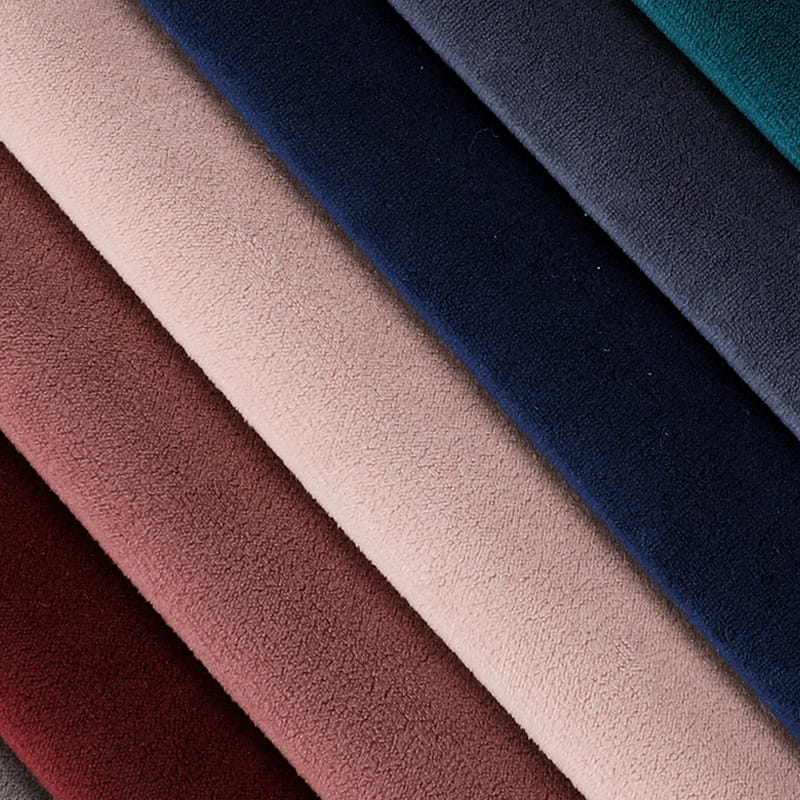
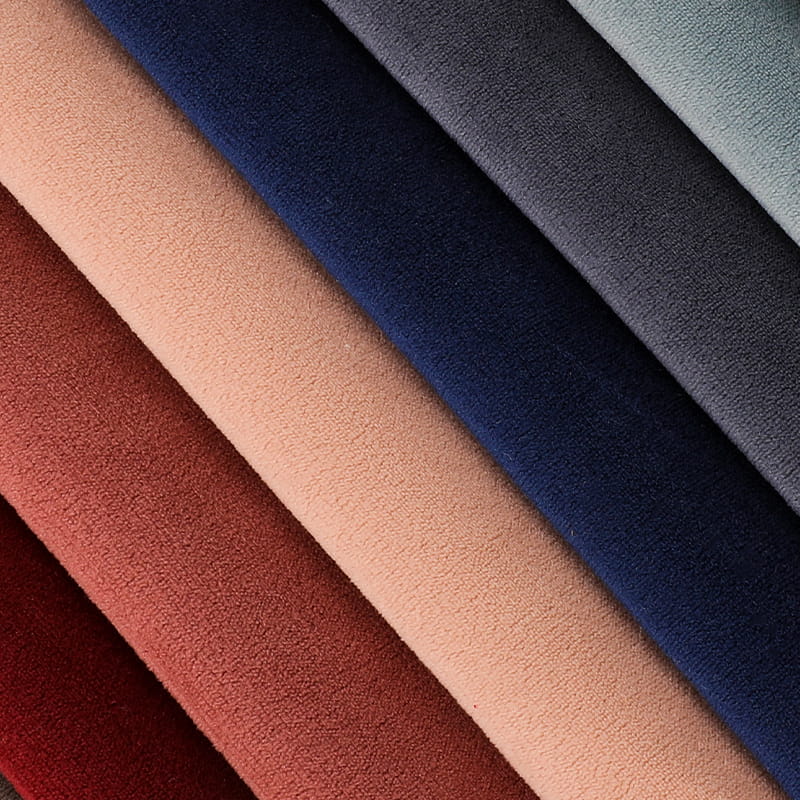
Holland velvet fabric represents one of the most luxurious and versatile textile options available in today's market. Characterized by its distinctive soft pile, elegant sheen, and exceptional durability, this premium fabric has established itself as a preferred choice for high-end furniture upholstery, sophisticated fashion garments, and refined interior design elements. The unique manufacturing process of Holland velvet creates a dense, short pile that delivers both visual richness and tactile pleasure, making it stand out among other velvet varieties in the textile industry.
The term "Holland velvet" originally referred to velvet fabrics produced using traditional Dutch manufacturing techniques, which emphasized quality construction and meticulous attention to detail. Today, the designation has evolved to encompass a specific type of velvet construction characterized by its closely cropped pile, exceptional density, and refined appearance. Unlike some velvet varieties that prioritize dramatic sheen or exaggerated pile height, Holland velvet focuses on balanced aesthetics and structural integrity, creating a fabric that maintains its appearance even under regular use.
Distinctive Characteristics of Holland Velvet
Holland velvet possesses several distinguishing characteristics that set it apart from other velvet varieties. Understanding these unique properties helps clarify why this fabric commands premium positioning in the textile market and why it's particularly valued for specific applications.
Pile Structure and Density
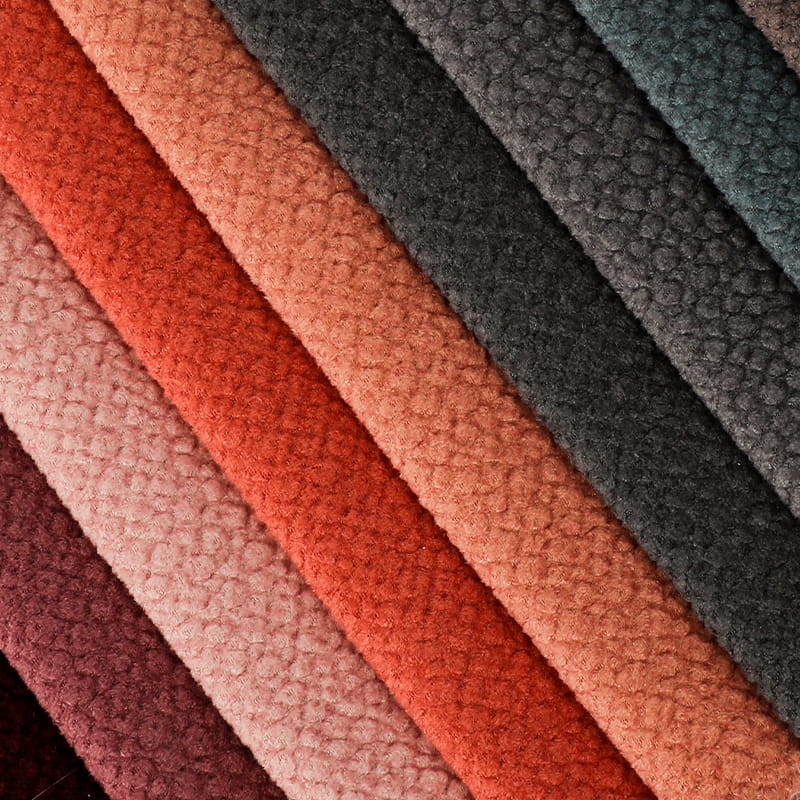
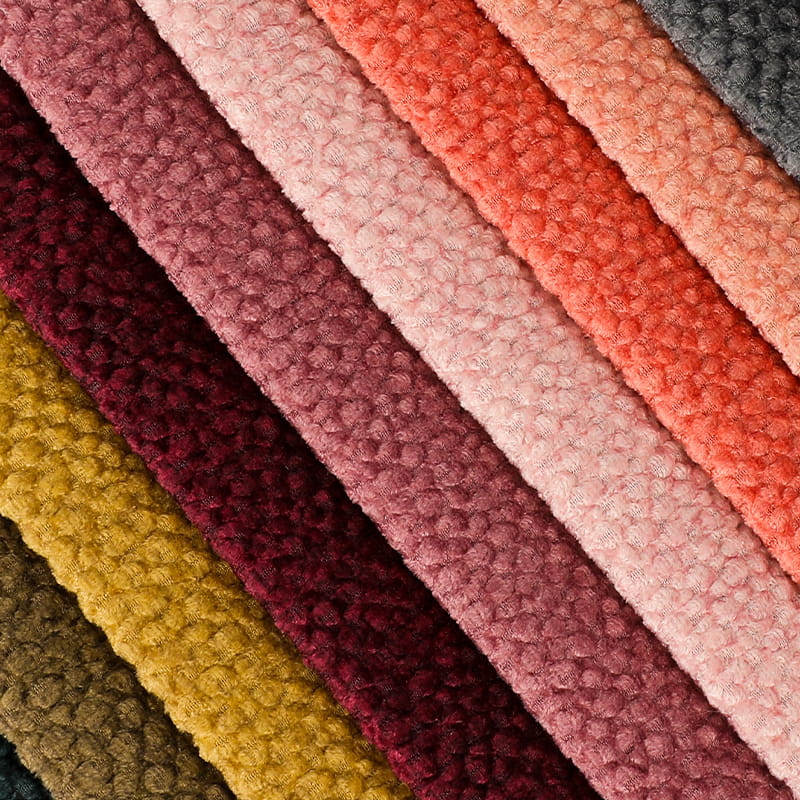
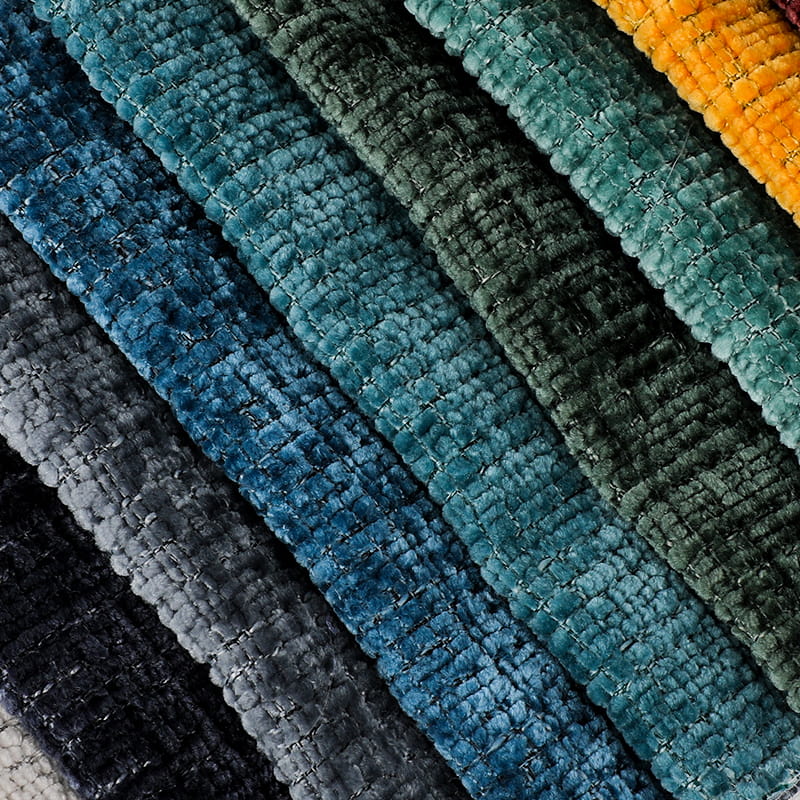
The most notable characteristic of Holland velvet is its exceptionally dense pile structure. Unlike standard velvet varieties which may have longer, less uniform piles, Holland velvet features tightly packed fibers that create a consistent, uniform surface with remarkable softness. This density contributes significantly to the fabric's durability and resistance to wear, making it suitable for high-traffic applications such as furniture upholstery in both residential and commercial settings. The pile height in quality Holland velvet typically ranges between short to medium length, creating a subtle luster rather than an excessive shine.
Visual and Tactile Properties
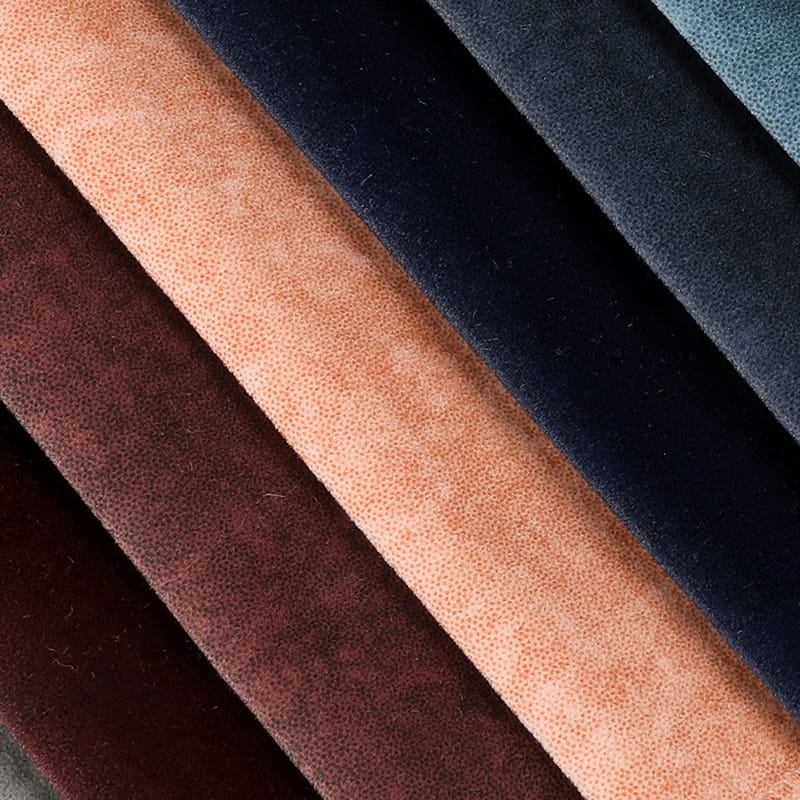
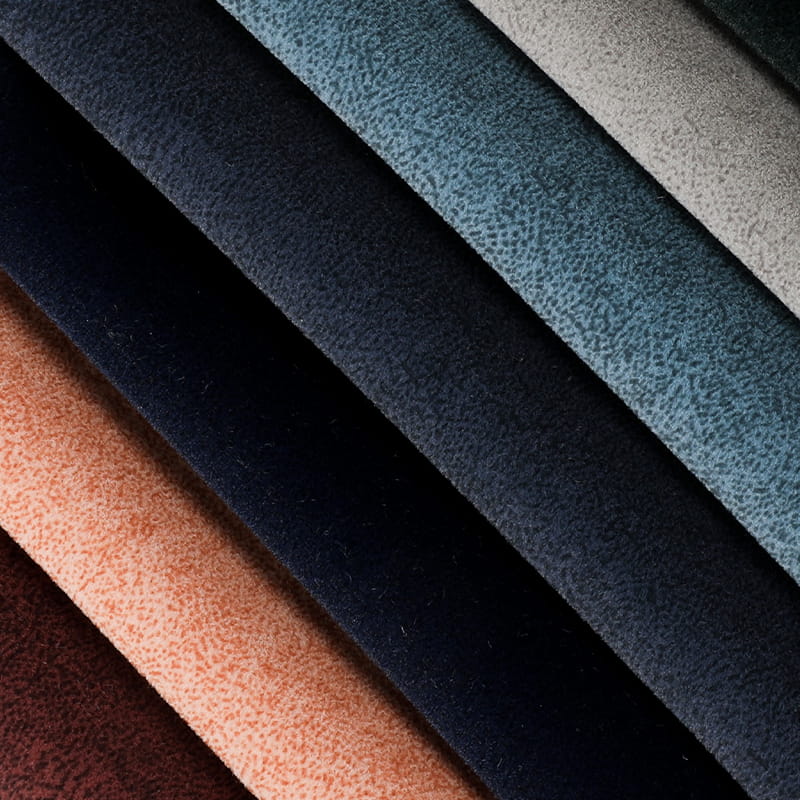
From a visual perspective, Holland velvet offers a sophisticated, understated elegance that differentiates it from showier velvet variants. The fabric presents a refined matte-to-soft sheen appearance that changes subtly with light direction and viewing angle. This characteristic creates depth and dimension in applications ranging from drapery to evening wear. Tactilely, Holland velvet delivers an immediately recognizable softness that feels luxurious against the skin while maintaining sufficient body and structure for practical applications.
Performance Attributes
Performance-wise, quality Holland velvet demonstrates excellent dimensional stability, resisting stretching and distortion even with regular use. The fabric typically offers good colorfastness when properly dyed, maintaining its rich appearance over time. Its dense structure provides natural insulation properties, making it suitable for both apparel and home furnishing applications where temperature regulation is beneficial. Additionally, well-constructed Holland velvet shows impressive resistance to crushing and pile flattening, common issues with lesser velvet varieties.
Manufacturing Process of Holland Velvet
The production of Holland velvet involves a complex, multi-stage manufacturing process that requires specialized equipment and considerable expertise. Understanding this process illuminates why quality velvet commands premium pricing and helps identify superior products when evaluating options.
Base Fabric Construction
The manufacturing journey begins with creating a sturdy base fabric, typically woven from materials such as cotton, polyester, or blends incorporating synthetic fibers for enhanced performance characteristics. This foundation must provide sufficient strength and stability to support the velvet pile while maintaining flexibility for the intended application. The base fabric's quality significantly influences the final product's durability and dimensional stability, making this initial stage critical to overall performance.
Pile Formation Techniques
The distinctive velvet pile is created through one of several techniques:
- Double cloth method: Two layers of fabric are woven simultaneously with connecting threads that are subsequently cut to form the pile
- Wire weaving: Metal wires are inserted during weaving to create loops, which are then either cut for traditional velvet or left uncut for loop pile velvet
- Tufting method: Yarn is punched through a backing material to create loops, which are then cut to form the velvet surface
Holland velvet specifically utilizes techniques that produce exceptionally dense, short piles with uniform height distribution. The pile density typically exceeds that of standard velvet varieties, with thousands of individual pile yarns per square inch creating the fabric's characteristic richness and hand feel.
Finishing Processes
After pile formation, Holland velvet undergoes several critical finishing processes that enhance its performance and aesthetic qualities:
- Shearing: The pile is carefully trimmed to ensure uniform height across the fabric surface
- Brushing: The surface is gently brushed to align fibers and enhance smoothness
- Steaming: Controlled steam application helps set the pile direction and improves fabric hand
- Dyeing: Color application may occur at various stages depending on the desired effect and fiber content
- Backing application: Some Holland velvet varieties receive a protective backing to enhance stability and durability
These finishing steps transform the raw woven fabric into the luxurious Holland velvet that graces upscale interiors and fashion creations. The expertise applied during finishing significantly influences the final product's quality, with master finishers capable of creating subtle variations in hand, sheen, and dimensional stability.
Material Composition and Variations
Holland velvet is available in various material compositions, each offering distinct performance characteristics and aesthetic qualities. Understanding these variations helps in selecting the appropriate fabric for specific applications.
| Material Composition | Durability | Softness | Best Applications |
|---|---|---|---|
| 100% Cotton | Medium | Excellent | Apparel, light upholstery, decorative items |
| 100% Polyester | Very High | Good | Furniture upholstery, commercial applications |
| Cotton-Silk Blend | Medium | Exceptional | Luxury apparel, high-end decorative elements |
| Polyester-Rayon Blend | High | Very Good | Upholstery, drapery, fashion accessories |
| Microfiber Velvet | High | Exceptional | Apparel, premium upholstery, intimate items |
Beyond basic material composition, Holland velvet can be categorized by pile characteristics and specialized treatments:
Pile Direction Variations
Holland velvet is manufactured with either directional or non-directional pile. Directional pile velvet has a distinct nap direction, creating different light reflection patterns when viewed from various angles. This characteristic creates a rich, dynamic appearance but requires careful pattern matching when seaming multiple fabric pieces. Non-directional pile varieties reflect light consistently regardless of viewing angle, making them more forgiving in applications where pattern matching is challenging.
Treatment Options
Modern Holland velvet may undergo specialized treatments to enhance performance for specific applications:
- Stain resistance treatments: Create a protective barrier against liquid and oil-based stains
- Flame retardant applications: Essential for contract and hospitality applications to meet safety regulations
- Antimicrobial finishes: Inhibit bacterial growth for improved hygiene in healthcare and hospitality settings
- UV stabilizers: Protect against color fading and fiber degradation in sun-exposed applications
- Water repellent treatments: Cause liquids to bead and roll off rather than penetrating the fabric structure
Applications Across Industries
Holland velvet's versatility has established it as a valued material across diverse industries. Its unique combination of aesthetic appeal and performance characteristics makes it suitable for applications ranging from high-fashion apparel to functional commercial furnishings.
Interior Design and Home Furnishings
In interior design contexts, Holland velvet serves multiple purposes:
- Furniture upholstery: Its durability and luxurious appearance make it ideal for statement pieces like sofas, armchairs, and ottomans
- Window treatments: Velvet drapery provides excellent insulation while creating dramatic visual impact
- Decorative pillows and accessories: Adds textural contrast and visual richness to interior schemes
- Wall coverings: Creates dramatic accent walls with exceptional acoustic dampening properties
- Bedding elements: Headboards, bed runners, and decorative throws benefit from velvet's tactile appeal
The fabric's natural light-absorbing qualities create depth and dimension in interior spaces, while its insulation properties contribute to energy efficiency. For residential applications, cotton-blend Holland velvets typically offer the best balance of luxury and practicality, while commercial installations often benefit from the enhanced durability of synthetic compositions.
Fashion and Apparel
In the fashion realm, Holland velvet brings elegance and sophistication to various garment categories:
- Evening wear and formal attire: Creates dramatic silhouettes with rich color depth and subtle sheen
- Tailored pieces: Structured jackets and coats benefit from velvet's dimensional stability and visual impact
- Accessories: Handbags, shoes, and belts incorporate velvet for textural contrast and luxury appeal
- Seasonal collections: Fall and winter lines frequently feature velvet for its warmth and visual richness
- Theatrical and performance costumes: Provides dramatic visual impact under stage lighting
Fashion applications typically favor lighter weight Holland velvets with silk or microfiber content for optimal drape and movement. The fabric's ability to hold shape while maintaining fluidity makes it particularly valued for structured yet elegant designs.
Commercial and Hospitality Settings
Commercial applications leverage Holland velvet's durability and aesthetic impact:
- Hotel interiors: Creates luxurious atmosphere in lobbies, restaurants, and guest rooms while meeting commercial durability standards
- Restaurant seating: Combines comfort with sophistication for upscale dining environments
- Theatrical settings: Stage curtains and acoustic panels utilize velvet's light-absorbing and sound-dampening properties
- Retail displays: Creates premium product presentation environments that enhance perceived value
- Transportation interiors: Luxury vehicles, yachts, and private aircraft incorporate velvet for comfort and prestige
Commercial applications typically require flame-retardant treatments and enhanced stain resistance, making synthetic blends with appropriate finishes particularly suitable for these demanding environments.
Quality Assessment and Selection Criteria
Evaluating Holland velvet quality requires attention to multiple factors that influence both performance and aesthetic outcome. Understanding these assessment criteria helps ensure appropriate fabric selection for specific applications.
Key Quality Indicators
Several objective indicators help determine Holland velvet quality:
- Pile density: Higher density indicates better quality, with premium Holland velvet containing significantly more pile yarns per unit area than standard varieties
- Pile uniformity: Quality velvet maintains consistent pile height across the entire fabric surface without patchy or flattened areas
- Pile anchoring: Well-constructed velvet resists pile shedding and pulling, indicating secure attachment to the base fabric
- Color consistency: Premium velvet displays even color saturation without streaking or mottling
- Dimensional stability: Quality fabric resists stretching and distortion, maintaining its shape under stress
- Weight appropriate to application: Different weights suit different purposes—lighter weights for apparel, heavier weights for upholstery
When evaluating velvet quality, the hand feel provides immediate feedback—premium Holland velvet feels simultaneously soft, substantial, and resilient. The fabric should recover quickly when gently compressed rather than remaining flattened, indicating good pile memory.
Application-Specific Selection Guidelines
Selecting the appropriate Holland velvet requires matching fabric characteristics to intended use:
| Application | Recommended Weight | Fiber Content Preference | Special Considerations |
|---|---|---|---|
| Residential Upholstery | Medium to Heavy | Cotton-poly blend | Stain treatment recommended |
| Commercial Upholstery | Heavy | High polyester content | Flame retardant treatment essential |
| Drapery | Light to Medium | Cotton or rayon blend | Consider light filtration requirements |
| Fashion Apparel | Light | Silk or microfiber blend | Drape characteristics critical |
| Accessories | Medium | Cotton-poly blend | Dimensional stability important |
Beyond these general guidelines, consider specific performance requirements for your application. For instance, upholstery in homes with pets requires particularly durable pile construction, while apparel intended for frequent wear benefits from wrinkle-resistant fiber blends.
Proper Care and Maintenance
Maintaining Holland velvet's luxurious appearance requires appropriate care practices tailored to its unique structure. Proper maintenance significantly extends the fabric's useful life and preserves its distinctive aesthetic qualities.
Routine Maintenance Practices
Regular maintenance prevents soil accumulation and preserves pile integrity:
- Regular gentle vacuuming using upholstery attachments removes dust before it becomes embedded in the pile
- Periodic brushing with a soft-bristled brush helps maintain pile direction and removes surface debris
- Rotation of cushions and reversible items ensures even wear distribution
- Protection from direct sunlight prevents color fading and fiber degradation
- Maintenance of appropriate humidity levels prevents excessive drying or moisture absorption
Stain Management Protocol
When spills occur, prompt and appropriate response minimizes permanent damage:
- Gently blot (never rub) excess liquid with a clean, absorbent cloth
- Apply appropriate cleaning agent based on stain type and fabric composition
- Work from the stain's outer edge toward the center to prevent spreading
- Use minimal liquid to prevent soaking through to the backing material
- Blot dry with a clean cloth and allow to air dry completely
- Gently brush the pile in its natural direction once dry to restore texture
For stubborn stains or valuable pieces, professional cleaning is strongly recommended over aggressive home remedies that might damage the pile structure or cause color bleeding.
Professional Cleaning Considerations
Professional cleaning extends Holland velvet's lifespan and addresses issues beyond routine maintenance capabilities:
- Frequency depends on usage intensity—residential items typically benefit from professional cleaning annually, while commercial applications may require quarterly attention
- Ensure cleaning professionals have specific experience with velvet textiles
- Discuss appropriate cleaning methods based on fiber content and construction
- Request pile restoration as part of the cleaning process to address any flattened areas
- Consider protective treatment reapplication after professional cleaning
Between professional cleanings, promptly addressing spots and maintaining regular vacuuming significantly extends the fabric's pristine appearance and structural integrity.
Sustainable Aspects and Environmental Considerations
As sustainability becomes increasingly important in textile selection, understanding the environmental profile of Holland velvet helps make informed choices that align with ecological priorities.
Fiber Content Environmental Impact
The environmental footprint of Holland velvet varies significantly based on fiber composition:
- Cotton-based velvets: Require substantial water and pesticide resources during cultivation but biodegrade relatively quickly at end-of-life
- Polyester-based velvets: Demand significant energy during production but offer exceptional durability that extends useful life and can incorporate recycled content
- Rayon and viscose velvets: Derived from renewable wood pulp resources but involve chemical-intensive processing
- Silk-containing velvets: Natural and biodegradable but raise animal welfare considerations
- Recycled content velvets: Increasingly available options that reduce virgin resource requirements
From a sustainability perspective, the exceptional durability of quality Holland velvet represents its most significant environmental advantage. When properly maintained, premium velvet can provide decades of service, reducing replacement frequency and associated resource consumption.
Manufacturing Process Improvements
Modern Holland velvet production has incorporated various environmental improvements:
- Water recycling systems reduce consumption during dyeing and finishing processes
- Closed-loop chemical systems minimize hazardous waste discharge
- Renewable energy adoption reduces carbon footprint during manufacturing
- Low-impact dye technologies reduce water pollution and chemical exposure
- Digital printing techniques minimize water and chemical usage for patterned velvets
When sustainability is a priority, inquire about specific manufacturing certifications and environmental practices when selecting Holland velvet products.
Comparative Analysis with Alternative Fabrics
Understanding how Holland velvet compares to alternative textile options helps determine when it represents the optimal choice for specific applications.
| Characteristic | Holland Velvet | Silk Velvet | Chenille | Velveteen |
|---|---|---|---|---|
| Durability | High | Medium | Medium | Medium |
| Softness | Very High | Exceptional | High | Medium |
| Sheen Level | Subtle | High | Low | Medium |
| Pile Density | Very High | High | Medium | Medium |
| Cost | High | Very High | Medium | Low-Medium |
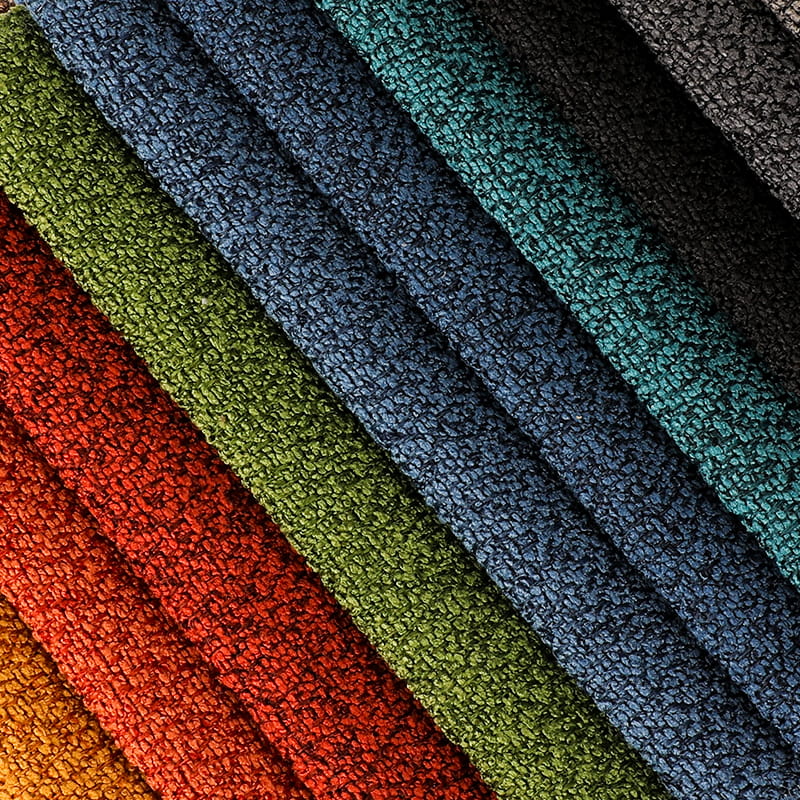
Holland velvet occupies a unique position in the luxury textile spectrum, offering exceptional balance between aesthetic appeal and practical performance. While silk velvet may offer superior softness and sheen, its significantly higher cost and more delicate nature limit its practical applications. Chenille provides excellent softness but lacks the formal elegance and structural stability of velvet. Velveteen, while more affordable, typically cannot match the density and luxurious hand of true Holland velvet.
Application-Specific Recommendations
Based on comparative performance, certain applications favor specific fabric choices:
- High-traffic upholstery: Holland velvet offers superior wear resistance compared to silk velvet or chenille
- Formal evening wear: Silk velvet provides unmatched draping and sheen for special occasion garments
- Casual comfort applications: Chenille offers superior breathability and comfort for everyday items
- Budget-sensitive decorative elements: Velveteen provides velvet-like aesthetics at lower price points
- Balanced performance needs: Holland velvet delivers the best combination of durability, aesthetics, and value for most applications
Future Trends and Innovations
The Holland velvet industry continues to evolve through technological advancement and changing consumer preferences. Several emerging trends are shaping the future of this premium textile category.
Performance-Enhancing Technologies
Innovative treatments are expanding Holland velvet's application potential:
- Nano-technology coatings provide enhanced stain and moisture resistance without compromising hand feel
- Antimicrobial treatments using silver ion technology offer permanent protection against bacterial growth
- Phase-change materials incorporated into velvet structures provide dynamic temperature regulation
- UV-stabilizing technologies extend outdoor application potential for this traditionally indoor fabric
- Abrasion-resistant finishes significantly enhance wear performance in high-traffic applications
These technological advancements are blurring traditional application boundaries, allowing Holland velvet to perform in environments previously unsuitable for pile fabrics.
Sustainable Development Initiatives
Environmental responsibility is driving significant innovation in Holland velvet production:
- Bio-based polyester alternatives reduce dependency on petroleum resources
- Closed-loop viscose production minimizes chemical waste in rayon-based velvets
- Waterless dyeing technologies eliminate one of the most resource-intensive production stages
- Mechanical recycling systems transform post-consumer textile waste into new velvet products
- Renewable energy integration throughout manufacturing facilities reduces carbon footprint
These sustainability initiatives respond to growing consumer awareness while often delivering improved performance characteristics alongside environmental benefits.
Design and Aesthetic Innovations
Beyond technical performance, Holland velvet is experiencing creative evolution in visual and tactile properties:
- Digital printing technologies enable previously impossible patterns and color combinations
- Multi-height pile constructions create dimensional patterns and textural variations within single fabric pieces
- Embossed and carved effects add visual interest without additional materials
- Iridescent and color-shifting effects create dynamic appearance changes with viewing angle
- Multi-directional pile patterns create subtle visual effects impossible with traditional velvet construction
These design innovations are expanding creative possibilities for designers and manufacturers working with Holland velvet across all application categories.
Conclusion: The Enduring Appeal of Holland Velvet
Holland velvet's continued prominence in luxury textile markets reflects its exceptional balance of aesthetic appeal, tactile pleasure, and practical performance. Few fabrics match its ability to simultaneously deliver visual sophistication, physical comfort, and functional durability. While production methods and material technologies have evolved significantly from its historical origins, the fundamental characteristics that established Holland velvet's premium positioning remain equally relevant in contemporary contexts.
For applications demanding sophisticated aesthetics alongside practical performance, Holland velvet represents an investment that typically delivers value through extended service life and timeless appeal. Its versatility across fashion, interior design, and commercial applications demonstrates remarkable adaptability to evolving design trends and performance requirements.
As textile technologies continue advancing, Holland velvet is positioned to incorporate new performance capabilities while maintaining the luxurious characteristics that have defined it for generations. This combination of tradition and innovation ensures its continued relevance in an evolving textile landscape, making it a consideration worthy of serious attention for projects demanding both aesthetic excellence and practical performance.