English
 Español
Content
- Basic Working Principles of Waterproof Technology Fabric
- Main Types of Waterproof Technology Fabrics and Technical Characteristics
- Key Performance Evaluation Standards for Waterproof Technology Fabrics
- Wide Application Scenarios of Waterproof Technology Fabrics
- Scientific Maintenance Methods to Extend Fabric Service Life
- Development Trends of Modern Waterproof Technology Fabrics
Waterproof technology fabric is a high-performance functional textile that blocks liquid water penetration while allowing water vapor to escape freely. Its core value lies in solving the long-standing industry dilemma between waterproof protection and wearing comfort. Through mature coating, lamination and high-density weaving technologies, modern waterproof fabrics can stably resist rainwater, splashing water and accumulated water erosion in various environments, and avoid stuffiness and moisture accumulation caused by completely closed waterproof structures. With standardized production and technical upgrading, qualified waterproof technology fabrics can maintain stable waterproof and breathable performance in long-term use, covering daily life, outdoor sports, home textiles and industrial protection scenarios, and have become one of the most widely used functional fabrics in the textile industry.
Basic Working Principles of Waterproof Technology Fabric
The waterproof and breathable function of technology fabrics is derived from the physical difference between liquid water droplets and water vapor molecules, which forms a unidirectional moisture conduction structure. Ordinary traditional waterproof fabrics mostly rely on thick closed coatings to block water, which completely isolates air and vapor and leads to poor comfort. In contrast, modern waterproof technology fabrics adopt micro-pore structure design and bionic hydrophobic technology to realize efficient functional balance.
Micro-pore Membrane Filtration Principle
The core of high-end waterproof technology fabrics is the micro-pore polymer membrane laminated inside the fabric. The pore size of the membrane is precisely controlled between 0.1 and 1 micron, which forms a huge size difference with water droplets and water vapor. Liquid water droplets are more than 20,000 times larger than membrane pores, so they cannot penetrate the fabric under conventional water pressure, effectively resisting rainwater and splashing water. Meanwhile, water vapor molecules evaporated from human sweat are about 700 times smaller than the membrane pores, which can pass through the pores smoothly and discharge out of the fabric, avoiding internal moisture condensation and stuffy feeling.
Bionic Hydrophobic Coating Principle
Another mainstream technical principle is the bionic lotus leaf effect hydrophobic coating. The surface of the fabric is treated with nano-level hydrophobic materials to form a compact and smooth protective layer. This layer can reduce the surface tension of the fabric, making water droplets form spherical shapes on the fabric surface and slide off directly without infiltration. This technology is mostly used in lightweight daily waterproof fabrics, with soft hand feel and no obvious sense of heaviness, which is suitable for daily light waterproof scenarios.
Main Types of Waterproof Technology Fabrics and Technical Characteristics
According to different production processes and structural designs, waterproof technology fabrics in the market are mainly divided into three categories: coated waterproof fabrics, laminated waterproof fabrics and high-density woven waterproof fabrics. Each type has unique performance advantages and applicable scenarios, with obvious differences in waterproof grade, air permeability and durability.
| Fabric Type | Core Technology | Waterproof Performance | Breathability | Durability |
|---|---|---|---|---|
| Coated Waterproof Fabric | PU/Silicone Resin Coating | Medium to High | General | Medium |
| Laminated Waterproof Fabric | Micro-pore Membrane Lamination | High | Excellent | High |
| High-density Woven Fabric | Tight Weaving + Hydrophobic Treatment | Medium | Good | Medium to High |
Coated Waterproof Fabric
This is the most mature and cost-effective waterproof fabric technology. It forms a uniform waterproof protective layer on the surface of ordinary textile fabrics through roller coating or dipping process with polyurethane or silicone resin materials. Silicone resin coated fabrics are more environmentally friendly with light coating weight, which will not affect the original soft hand feel of the fabric. The static water pressure resistance of qualified coated fabrics can reach 5000 to 15000mm, which can cope with most rainy weather and daily water splashing scenarios. The disadvantage is that the coating layer will slightly block the air permeability, and long-term friction and washing will cause partial coating falling off, resulting in reduced waterproof performance.
Laminated Waterproof Fabric
Laminated waterproof fabric is a high-end functional fabric formed by compounding micro-pore membrane and base fabric through hot pressing and laminating process. The multi-layer composite structure of outer protective fabric, middle waterproof and breathable membrane and inner comfortable lining ensures comprehensive performance. This type of fabric abandons the closed waterproof mode of coating, and relies entirely on micro-pore physical screening to realize waterproof and breathable integration. It has stable performance, strong wear resistance and aging resistance, and can maintain excellent waterproof effect after long-term use and multiple washing. It is the preferred material for high-performance outdoor protective textiles.
High-density Woven Waterproof Fabric
This type of fabric improves the weaving density of yarns on the basis of traditional textile technology, reduces the gap between yarns, and cooperates with nano hydrophobic finishing to achieve waterproof effect. The fabric has no additional coating and membrane structure, so it retains the best air permeability and soft hand feel, with light weight and strong drapability. Its waterproof performance is weaker than laminated and high-strength coated fabrics, and it is only suitable for light waterproof scenarios such as daily drizzle and water splashing, not for long-term heavy rain and high water pressure environments.
Key Performance Evaluation Standards for Waterproof Technology Fabrics
To judge the quality of waterproof technology fabrics, it is necessary to evaluate from multiple core indicators such as waterproof performance, air permeability, wear resistance and washing resistance, rather than only focusing on a single waterproof effect. The industry has formed unified evaluation standards to measure the comprehensive performance of functional fabrics.
Waterproof Performance Index
The core index to measure waterproof capacity is hydrostatic pressure resistance, which refers to the maximum water pressure that the fabric can resist without water penetration. Fabrics with hydrostatic pressure above 5000mm can adapt to moderate rainy days, and fabrics above 10000mm can cope with heavy rain and harsh outdoor environments. In addition, the rain splash test is also a common evaluation method, which simulates the water splashing state in rainy days to detect whether the fabric surface has water seepage and wetting phenomenon.
Breathability Performance Index
Breathability determines the wearing comfort of waterproof fabrics, which is usually measured by water vapor transmission rate. High-quality waterproof technology fabrics can efficiently discharge internal water vapor while blocking liquid water. Fabrics with excellent air permeability will not form moisture accumulation between the fabric and the skin during long-term wearing and strenuous exercise, avoiding stuffiness, sweating and sticky feeling, which is the key to distinguish high-end functional fabrics from ordinary waterproof materials.
Durability Performance Index
Durability includes washing resistance and friction resistance. Ordinary waterproof fabrics will have obvious performance attenuation after 5 to 10 times of washing, while high-quality waterproof technology fabrics can maintain more than 80% of the original waterproof performance after 20 times of conventional washing. The surface hydrophobic layer and internal membrane structure have strong anti-aging and anti-friction ability, which can adapt to long-term repeated use.
Wide Application Scenarios of Waterproof Technology Fabrics
With the continuous improvement of textile technology, waterproof technology fabrics have broken through the single outdoor application scenario and been widely used in home textiles, daily apparel, industrial protection and other fields. Their diverse performance characteristics can meet the functional needs of different scenarios.
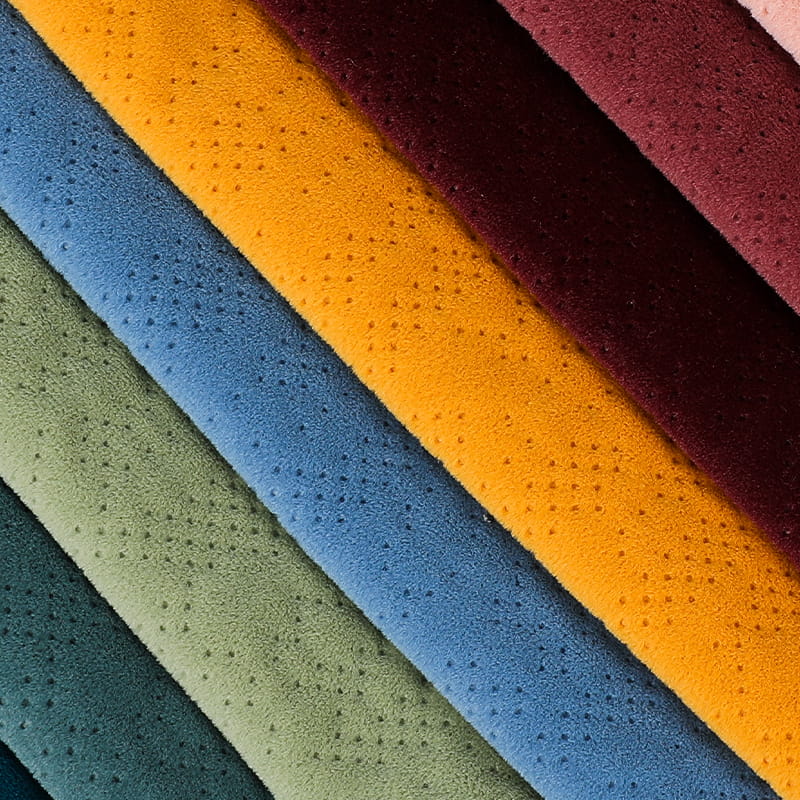
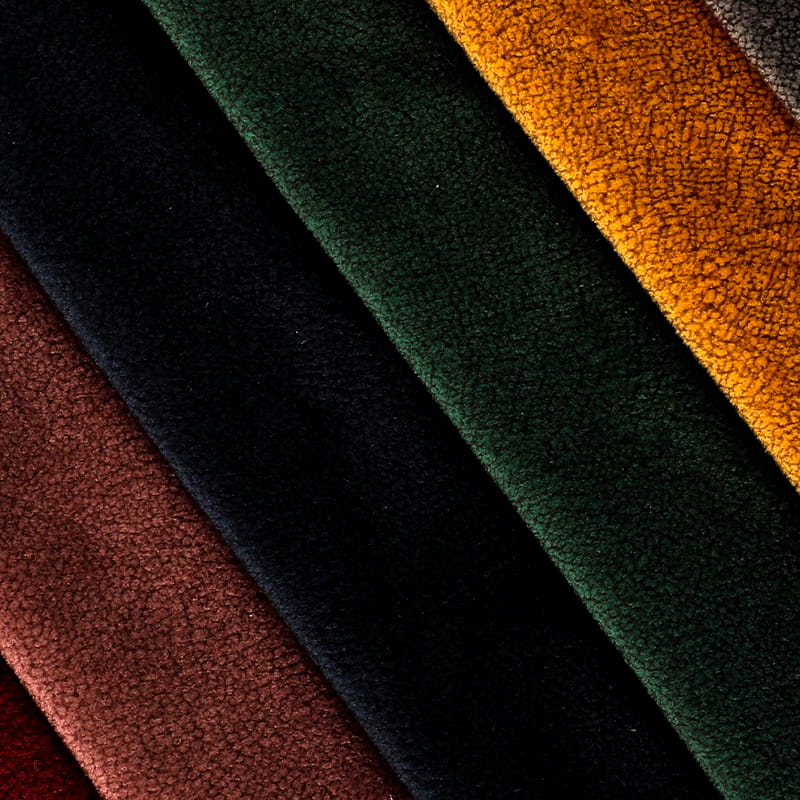
- Home Textile Field: Waterproof technology fabrics are commonly used in sofa fabrics, mattress covers, tablecloths and shower curtains. The waterproof and anti-fouling performance can effectively resist daily liquid splashing such as drinks and soup, prevent stains from penetrating into the fabric inner layer, and simplify daily cleaning and maintenance. At the same time, good air permeability ensures the comfort of long-term contact with human body, avoiding the cold and stuffy feeling of ordinary plastic waterproof materials.
- Outdoor Sports Field: It is the most mainstream application scenario of waterproof fabrics, including outdoor jackets, mountaineering suits, hiking pants, tents and backpack fabrics. Laminated high-performance waterproof fabrics can resist harsh weather such as heavy rain, snow and strong wind, and maintain dry and comfortable wearing state during outdoor activities such as mountaineering, hiking and camping.
- Daily Apparel Field: Lightweight high-density woven and nano-coated waterproof fabrics are used in casual jackets, windbreakers and children's clothing. They have basic waterproof and splash-proof functions to cope with sudden light rain and daily water splashing, and retain the soft and light characteristics of daily clothing, with high practicality.
- Industrial Protection Field: Thickened coated and reinforced laminated waterproof fabrics are used in protective clothing, rain gear and storage tarpaulins for special industries. They have high water pressure resistance and corrosion resistance, and can provide stable waterproof protection for outdoor operation and special working environments.
Scientific Maintenance Methods to Extend Fabric Service Life
The waterproof and breathable performance of technology fabrics will be affected by improper cleaning and daily maintenance. Scientific maintenance can effectively delay performance attenuation and extend the service life of functional fabrics. The core maintenance principle is to protect the surface hydrophobic layer and internal micro-pore membrane structure.
- Avoid high-temperature washing and drying. High temperature will damage the internal micro-pore membrane and surface hydrophobic coating of the fabric, leading to the failure of waterproof function. It is recommended to use warm water below 30℃ for gentle washing, and natural air drying is the best drying method.
- Reduce the use of strong alkaline detergents. Strong alkaline laundry detergent, bleach and other products will corrode the hydrophobic layer of the fabric and block the micro-pores, resulting in decreased waterproof and breathable performance. Neutral mild detergents are the preferred choice for cleaning.
- Regularly renovate the hydrophobic layer. After long-term use and multiple washing, the surface hydrophobic ability of the fabric will decline. Regular use of professional hydrophobic finishing agent for maintenance can restore the surface water-sliding effect.
- Avoid long-term friction and extrusion. Severe friction will wear the surface protective layer, and long-term closed extrusion will cause micro-pore deformation of the membrane, affecting the stable play of waterproof and breathable functions.
Development Trends of Modern Waterproof Technology Fabrics
With the upgrading of environmental protection concepts and consumer demand, waterproof technology fabrics are developing towards environmental protection, lightweight, multi-functional integration and intelligent iteration. Traditional single waterproof fabrics can no longer meet the diversified market demand, and composite functional fabrics have become the mainstream development direction.
In terms of environmental protection technology, more and more manufacturers adopt solvent-free coating and biodegradable membrane materials to reduce environmental pollution in the production process and realize green production. In terms of performance iteration, new waterproof fabrics integrate anti-static, anti-ultraviolet, antibacterial and anti-fouling functions on the basis of maintaining waterproof and breathable performance, realizing multi-scenario adaptive use. In terms of hand feel and texture, the new generation of waterproof technology fabrics abandons the stiff and heavy texture of traditional waterproof materials, achieving ultra-light and soft wearing experience while maintaining high-performance waterproof protection.
In addition, intelligent waterproof fabrics are gradually emerging. This kind of fabric can adjust the opening and closing of micro-pores according to the change of external temperature and humidity, intelligently balance waterproof protection and breathable heat dissipation, and further improve the comfort and environmental adaptability of functional fabrics, which will become the key development direction of the textile functional technology industry in the future.