English
 Español
Content
Selecting the ideal upholstery home textile fabric requires balancing aesthetics, functionality, and lifestyle needs. The right fabric is not merely about visual appeal; it dictates the longevity, comfort, and maintenance demands of your furniture. For high-traffic family rooms, durable and stain-resistant synthetic blends or tightly woven natural fibers are paramount. For formal, low-traffic spaces, luxurious textures and delicate fibers become viable. Ultimately, the best choice is one where the fabric's intrinsic properties align perfectly with the daily demands placed upon the furniture.
Understanding Core Fiber Categories
The foundation of any upholstery home textile fabric lies in its raw material. Fibers are broadly categorized into natural, synthetic, and blended options, each bringing distinct characteristics to the performance of the final textile.
Natural Fibers
Derived from plants and animals, natural fibers are celebrated for their breathability and luxurious feel. Cotton is exceptionally breathable and takes dye beautifully, offering a soft hand feel, but it wrinkles easily and lacks inherent stain resistance. Linen provides a crisp, elegant aesthetic and possesses high strength, though it can be prone to wrinkling and requires professional cleaning to maintain its crispness. Wool is naturally flame-resistant, exceptionally durable, and offers superb insulation, making it a premium choice for cozy, long-lasting upholstery, albeit at a higher price point.
Synthetic Fibers
Engineered to overcome the vulnerabilities of natural fibers, synthetic options dominate the high-traffic upholstery market. Polyester is highly resilient, resists wrinkling, and is frequently used as a cost-effective base. Nylon is incredibly strong and abrasion-resistant, often woven into fabrics meant to endure heavy, continuous use. Olefin is highly resistant to moisture, mildew, and fading, making it an exceptional choice for sunrooms or indoor-outdoor transitional spaces. Acrylic mimics the warmth and feel of wool but offers superior resistance to sunlight and fading.
The Power of Blends
Fiber blends combine the best of both worlds, marrying the comfort of natural fibers with the resilience of synthetics. A common and effective blend is cotton-polyester, which softens the harshness of pure polyester while adding structural integrity and wrinkle resistance to the cotton. These blends are extensively used because they offer a balanced performance profile, increasing the lifespan of the upholstery while keeping it comfortable and manageable for everyday use.
Weave Structures and Durability Metrics
The way fibers are woven together significantly impacts the durability, texture, and cleanability of the upholstery fabric. Even the strongest fiber can perform poorly if the weave is loose.
Common Weave Types
- Plain Weave: The simplest weave, creating a uniform, strong, and tightly interlaced fabric. It is highly durable but can sometimes lack visual complexity.
- Twill Weave: Characterized by diagonal parallel ribs, twill is highly resistant to tearing, hides soiling well, and drapes elegantly.
- Satin Weave: Produces a smooth, lustrous surface with a luxurious drape, but it is prone to snagging and is best reserved for low-traffic, formal settings.
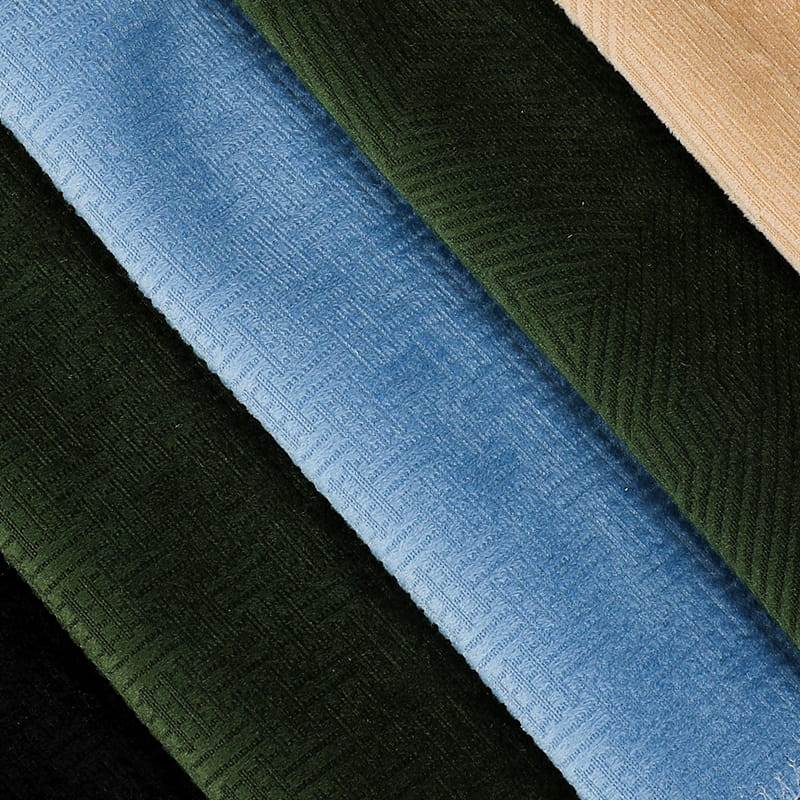
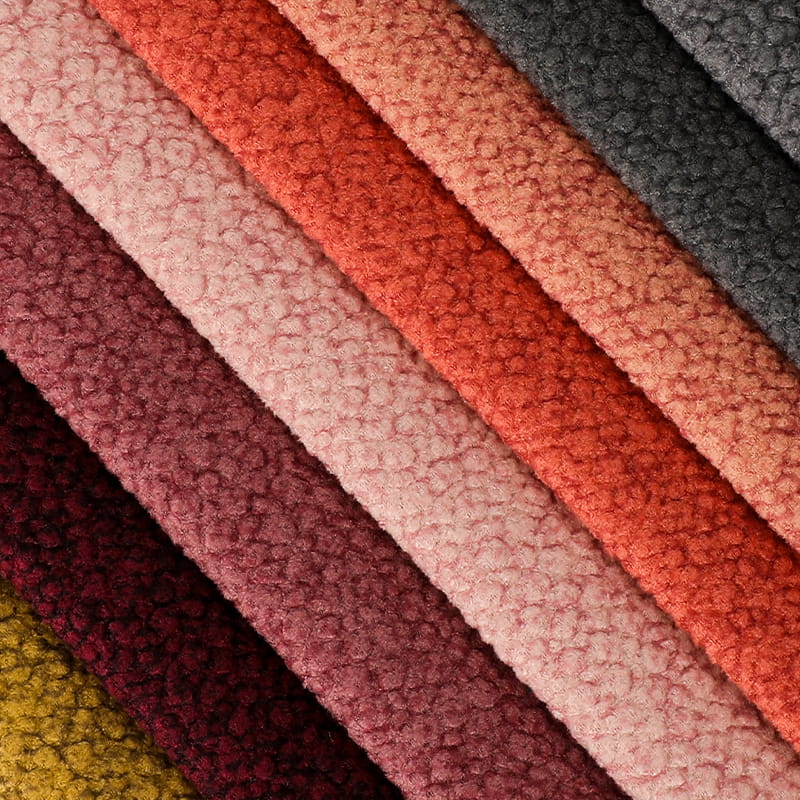
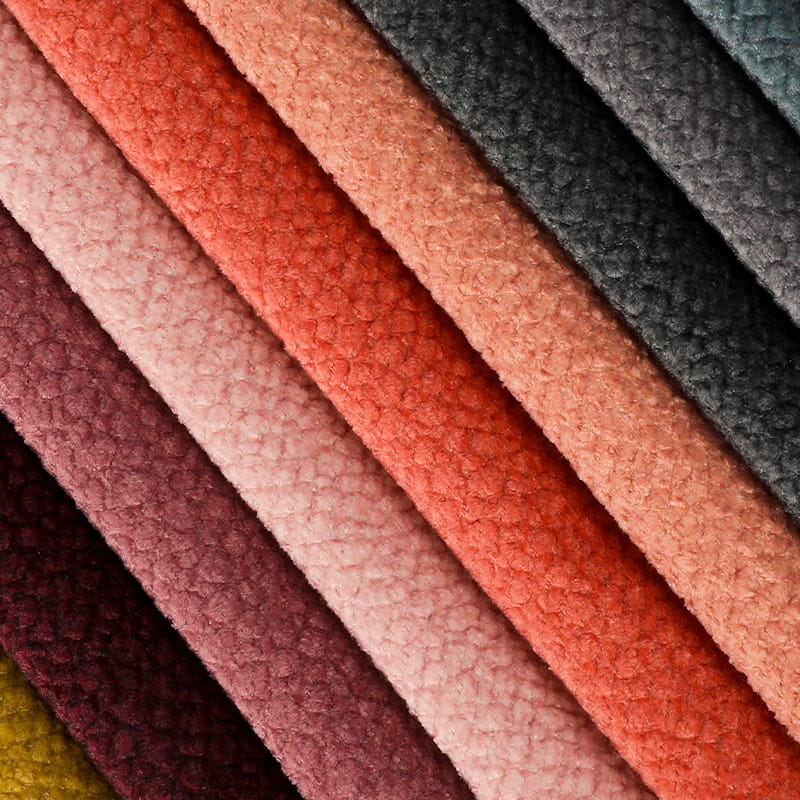
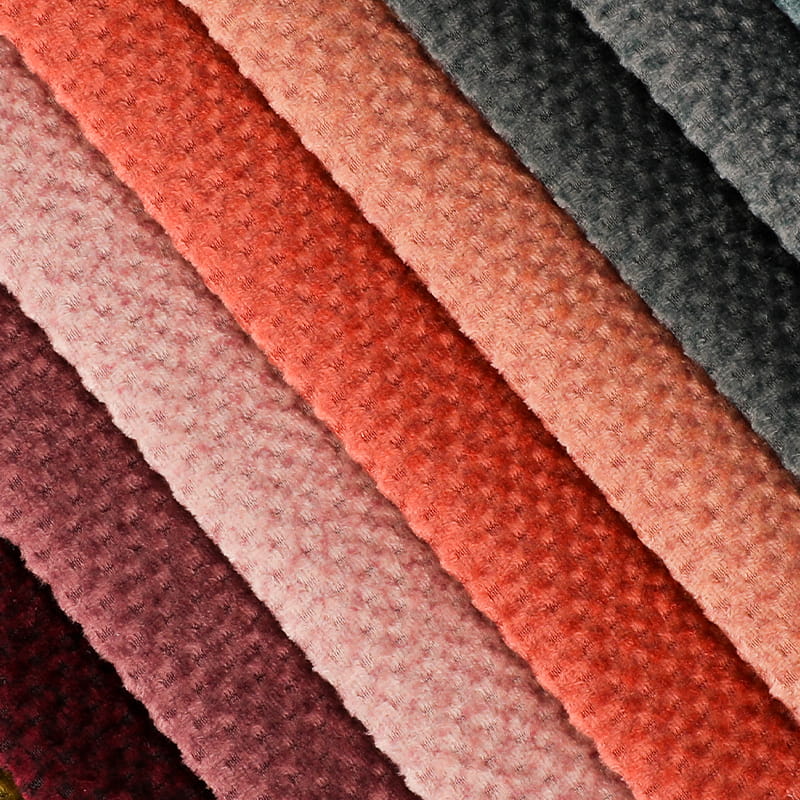
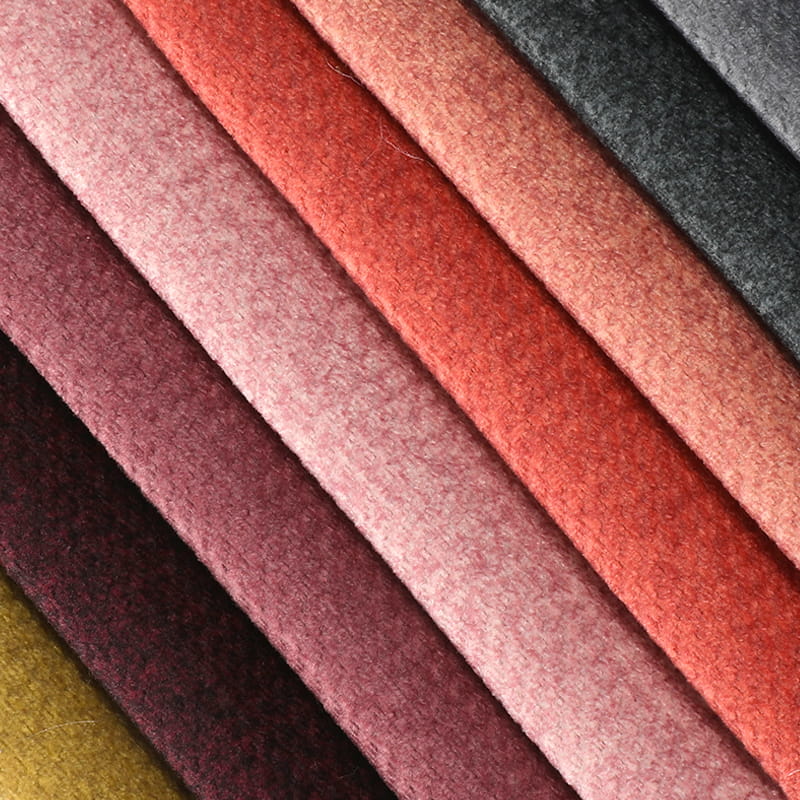
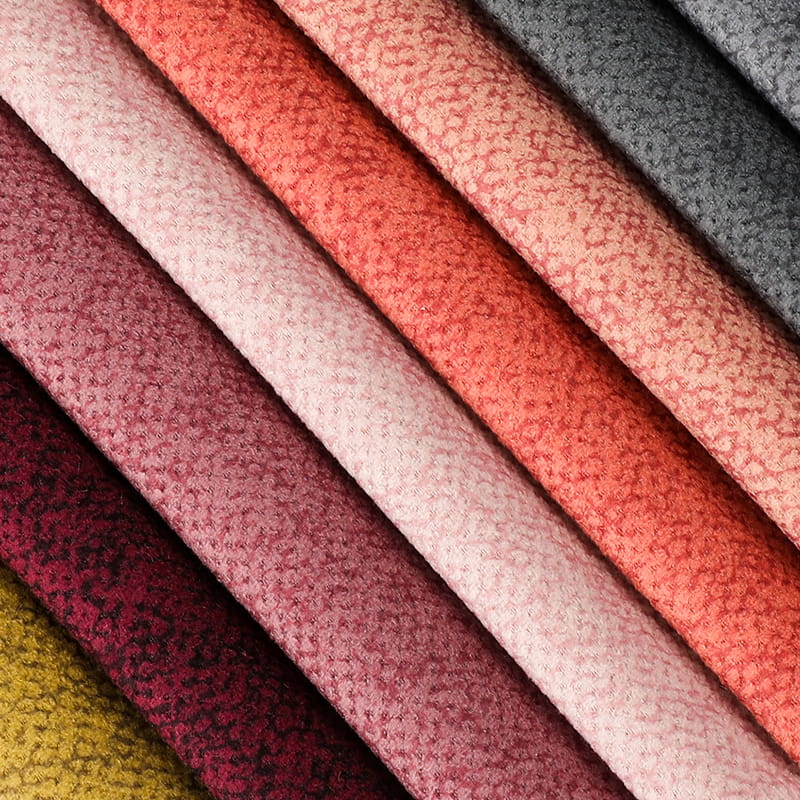
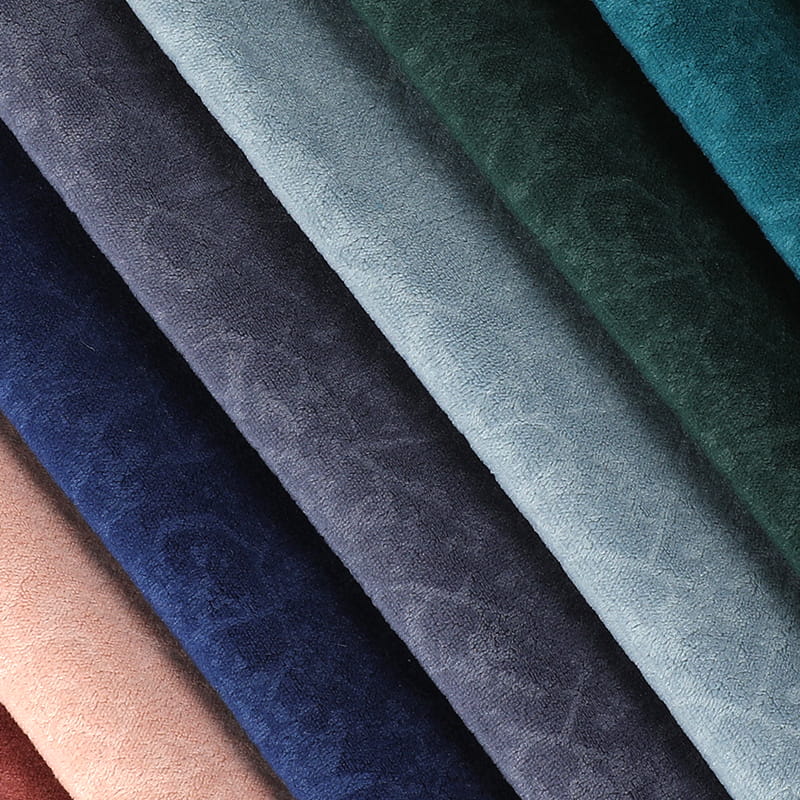
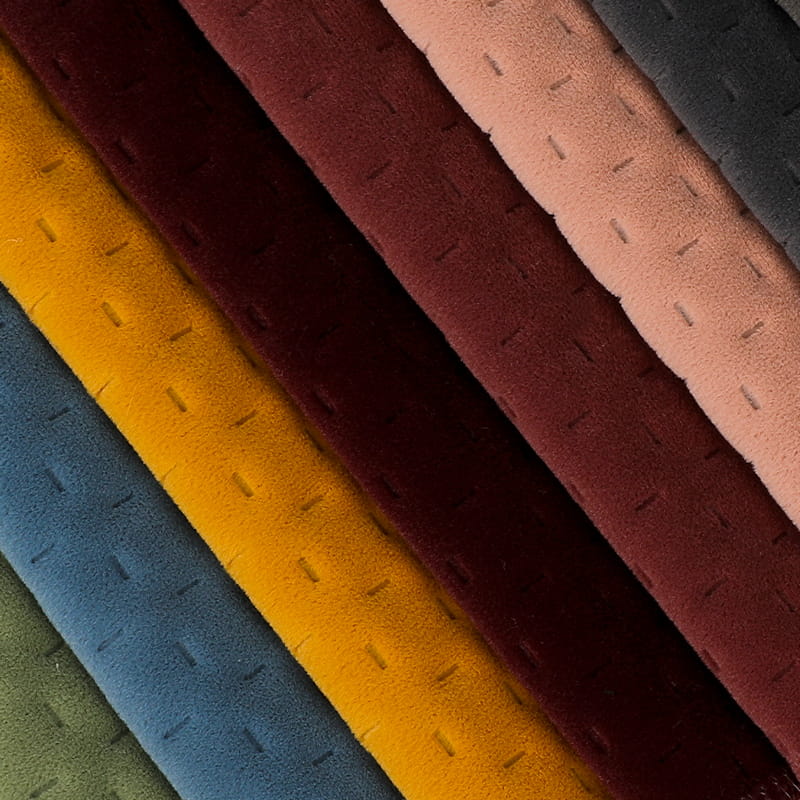
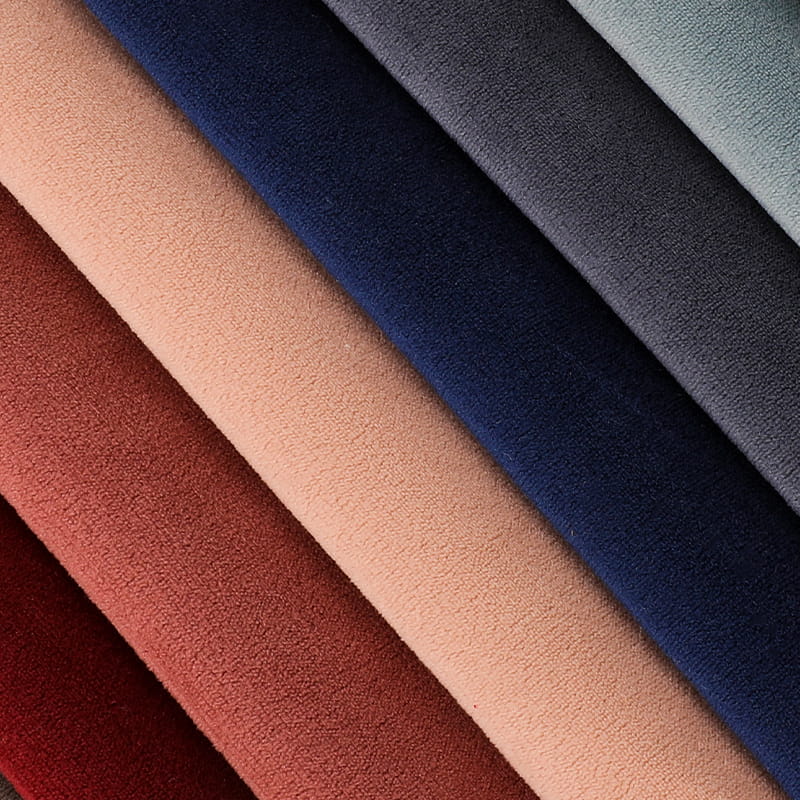
- Pile Weaves: Includes velvet and chenille, where loops are cut to create a soft, textured surface. These fabrics offer rich visual depth but can show wear patterns and crushing over time.
Evaluating Durability
When assessing the durability of upholstery home textile fabric, industry standards rely on specific testing metrics. The double rub count is the standard measure of a fabric's abrasion resistance. This test uses a mechanical arm fitted with a cotton canvas to rub the fabric back and forth. For residential use, a rating starting from a moderate threshold is generally acceptable, while heavy-duty residential fabrics should target a significantly higher double rub count. Commercial grade fabrics exceed these numbers, ensuring survival in demanding environments.
Matching Fabric to Room Functionality
Different rooms impose vastly different stresses on upholstered furniture. Selecting a textile without considering the room's function is a common pitfall that leads to premature fabric degradation.
| Room Type | Primary Challenges | Recommended Fabric Properties |
|---|---|---|
| Living Room | High traffic, spills | High double rub count, stain-resistant finishes, tight weaves |
| Formal Dining | Food spills, infrequent use | Easily wipeable, moisture-resistant, decorative textures |
| Sunroom | UV exposure, humidity | Solution-dyed acrylic, UV resistance, mold resistance |
| Bedroom | Low traffic, comfort focus | Soft hand feel, breathability, delicate aesthetics |
In high-traffic living areas, tightly woven fabrics with high abrasion resistance are non-negotiable. Conversely, bedroom seating allows for the prioritization of tactile comfort over extreme durability. Sun-exposed rooms demand fabrics with inherent or treated UV resistance to prevent fading and fiber degradation caused by prolonged sunlight.
Color, Pattern, and Aesthetic Impact
Beyond structural integrity, the visual dimension of upholstery fabric defines the character of a space. Color and pattern selection should be a calculated decision that balances personal taste with practical living considerations.
Color Psychology and Practicality
Light colors expand a room visually and create an airy atmosphere, but they are unforgiving when it comes to dirt and stains. Dark colors ground a space and hide soiling effectively, yet they can make a room feel smaller and show lighter debris like pet hair or dust more prominently. Mid-tone neutrals often provide the most versatile foundation. Choosing a color slightly darker than your natural tolerance for dirt can significantly extend the perceived cleanliness of the furniture.
Strategic Pattern Usage
Patterns are highly effective at camouflaging daily wear, minor stains, and pet hair. Multi-colored patterns with a varied palette are the most forgiving. When selecting patterns, scale is crucial. Large-scale patterns can overwhelm small pieces of furniture, while small, intricate patterns may look like a solid color from a distance and lose their visual impact. Stripes, geometric shapes, and floral motifs can also be used strategically to direct the eye, elongate a piece of furniture, or tie together disparate color schemes within a room.
Maintenance and Cleaning Guidelines
Proper maintenance is the most critical factor in extending the life of upholstery home textile fabric. Even the most durable textiles will fail prematurely if neglected or cleaned improperly.
Routine Care
Regular, proactive care prevents the buildup of dust and soil that can abrade fibers like sandpaper. This includes routine vacuuming using an upholstery attachment to remove surface debris before it settles into the weave. Cushions should be flipped and rotated regularly to distribute wear evenly, preventing premature settling and compaction of the filling materials.
Understanding Cleaning Codes
Upholstery fabrics come with standardized cleaning codes that must be followed to avoid permanent damage. Ignoring these codes is a leading cause of ruined furniture.
- W (Water-Based Cleaner): These fabrics can be safely cleaned with water-based solutions. They are generally the easiest to maintain and are suitable for homes where spills are common.
- S (Solvent-Based Cleaner): These fabrics require a dry-cleaning solvent. Using water on an S-coded fabric can cause water rings, shrinkage, or permanent staining.
- WS (Water or Solvent): These versatile fabrics can be cleaned with either water-based or solvent-based cleaners, offering flexibility depending on the nature of the stain.
- X (Vacuum Only): These delicate fabrics should only be vacuumed or brushed. They cannot withstand any liquid cleaning agents and require professional intervention for stubborn stains.
Regardless of the cleaning code, always spot-test any cleaning solution on an inconspicuous area of the fabric first. This ensures the cleaner does not cause color bleeding, fading, or fabric distortion before applying it to a visible stain.
Innovations in Upholstery Textiles
The textile industry continuously evolves to meet modern consumer demands for convenience, sustainability, and performance. Several innovations have transformed the landscape of upholstery fabrics.
Performance Fabrics
Performance fabrics are engineered at the molecular level to resist stains, moisture, and fading without compromising on softness or breathability. Unlike older stain-resistant treatments that wore off over time, modern performance fibers integrate the protective properties directly into the yarn. These advanced textiles offer unparalleled peace of mind, allowing spills to bead up on the surface for easy blotting.
Eco-Friendly Alternatives
Sustainability is a driving force in textile development. Manufacturers are increasingly utilizing recycled materials, such as repurposed plastic bottles, to create high-quality polyester upholstery fabrics that divert waste from landfills. Additionally, natural fibers like organic cotton and hemp, grown without harmful pesticides and requiring significantly less water than conventional crops, are becoming mainstream. Plant-based dyeing processes are also replacing harsh chemical dyes, reducing the environmental footprint of the finishing process while still delivering rich, colorfast results.
Conclusion: A Strategic Approach to Fabric Selection
Choosing upholstery home textile fabric is an investment in both comfort and durability. By understanding the inherent properties of natural and synthetic fibers, the impact of weave structures on longevity, and the importance of matching fabric characteristics to specific room requirements, consumers can make informed decisions. Prioritizing routine maintenance and adhering to professional cleaning codes will preserve the aesthetic and structural integrity of the fabric. Ultimately, a carefully selected upholstery fabric not only elevates the visual appeal of a living space but ensures that the furniture remains functional, comfortable, and resilient for years to come.