English
 Español
Content
- Decoding Fabric Durability and Performance Metrics
- Natural vs. Synthetic Fibers in Home Upholstery
- The Dominance of Blended Fabrics
- Navigating Specialized Performance Textiles
- Selecting Fabric Based on Room Function
- Understanding Weave Structures and Pilling
- Color Fastness and Sunlight Degradation
- The Role of Pattern and Texture in Maintenance
- Essential Questions Before Making a Purchase
- Long-Term Care and Fabric Longevity
When selecting upholstery home textile fabric, the most critical factor is balancing durability with the specific functional needs of the living space. There is no single perfect fabric for every home; rather, the ideal choice emerges from matching the weave structure, fiber content, and performance finishes to the room’s traffic levels, exposure to sunlight, and the household’s lifestyle. By prioritizing rub tests for high-traffic areas and opting for solution-dyed fibers in sun-drenched rooms, you can ensure that your furniture investments remain both visually appealing and structurally sound for years to come.
Decoding Fabric Durability and Performance Metrics
Understanding how textiles are evaluated for strength is the foundation of making an informed purchase. The most widely recognized standard in the industry is the Martindale rub test, also known as the Wyzenbeek test in certain regions. This mechanical evaluation simulates years of human use by rubbing a piece of abrasive wool or wire mesh against the fabric.
A common misconception is that a higher number always indicates a better fabric. However, a fabric rated for heavy commercial use might feel incredibly stiff and uncomfortable in a residential setting. Residential upholstery typically requires a Martindale rating between 15,000 and 25,000 rubs for general living areas. For frequently used spaces like family rooms, aiming closer to the higher end of that spectrum is advisable.
| Traffic Level | Martindale Rubs Required | Ideal Application |
|---|---|---|
| Light Domestic | 10,000 - 15,000 | Occasional chairs, decorative pillows |
| Medium Domestic | 15,000 - 25,000 | Living room sofas, dining chairs |
| Heavy Domestic | 25,000 - 30,000 | Family rooms, main seating |
| Commercial Grade | 30,000 and above | Office waiting areas, hospitality |
Beyond abrasion resistance, the density of the weave plays a massive role in longevity. A tightly woven textile naturally repels dirt and resists tearing. If you hold a fabric up to the light and can easily see through it, it is likely a loose weave that will pill or snag quickly under daily stress.
Natural vs. Synthetic Fibers in Home Upholstery
The debate between natural and synthetic materials is central to upholstery selection. Neither category is universally superior; they simply possess different intrinsic properties that make them suitable for varying environments.
The Characteristics of Natural Fibers
Natural fibers, primarily cotton and linen, are celebrated for their breathability and luxurious hand feel. Cotton takes dye exceptionally well, resulting in deep, rich colors that do not fade as quickly as some synthetics. Linen is significantly stronger than cotton and boasts a beautiful, natural texture that elevates the aesthetic of any furniture piece.
However, natural fibers have vulnerabilities. Linen is highly susceptible to wrinkling and can degrade under prolonged UV exposure. Cotton, unless treated, can absorb spills rapidly, leading to stubborn stains. Pure natural fiber upholstery is generally best reserved for formal living rooms or bedrooms where traffic is low and the risk of spills is minimal.
The Engineering Behind Synthetic Fibers
Synthetic options like polyester, nylon, and olefin are engineered for resilience. Polyester is incredibly resistant to stretching, shrinking, and wrinkling. Nylon is known for its extraordinary tensile strength, often used in blends to add durability to weaker natural fibers. Olefin, a byproduct of petroleum, is virtually waterproof and highly resistant to chemical damage, making it an exceptional choice for outdoor furniture that transitions indoors.
The primary drawback of synthetics is their tendency to hold onto body oils, which can attract dirt over time. Additionally, some lower-quality polyester fabrics can develop a static charge or feel less breathable in hot, humid climates compared to natural alternatives.
The Dominance of Blended Fabrics
Because pure natural and pure synthetic fibers have distinct weaknesses, the upholstery industry relies heavily on blending. A blend allows manufacturers to combine the aesthetic benefits of a natural fiber with the structural integrity of a synthetic one.
One of the most successful and common blends in home textiles is a cotton-polyester mix. By wrapping polyester fibers around a cotton core, or by weaving them together, the resulting fabric retains the soft, comfortable touch of cotton while gaining the wrinkle resistance, shape retention, and durability of polyester. A common and highly effective ratio for residential seating is a blend of roughly equal parts cotton and polyester, providing an optimal balance for daily use.
Another popular combination is linen blended with rayon or polyester. This preserves the crisp, high-end look of linen while drastically reducing its tendency to wrinkle and lowering its overall cost. When evaluating blended textiles, always check the percentage of each fiber, as a fabric labeled as "linen blend" might contain as little as a small fraction of actual linen.
In recent years, the market has been transformed by the advent of highly specialized performance textiles. These fabrics are manufactured using advanced techniques to resist stains, fading, and wear without sacrificing aesthetics.
Solution-Dyed Acrylics
Traditional dyeing processes color the surface of the yarn after it is spun. Solution dyeing, by contrast, injects the color pigment into the liquid polymer solution before the fiber is even extruded. Solution-dyed acrylics offer unparalleled resistance to fading, often lasting years in direct sunlight without noticeable color degradation. Because the color goes all the way through the fiber, even if the surface scratches, the color remains consistent. This makes them the premier choice for sunrooms and conservatories.
Crypton and Treated Fabrics
Certain textiles undergo proprietary finishing processes that make them virtually impenetrable to liquids and resistant to bacteria and mold. These treatments involve applying an advanced moisture barrier at the back of the fabric and a stain-repelling finish on the surface. While these fabrics were once stiff and plastic-like, modern iterations are woven to feel incredibly soft and mimic the hand of premium natural textiles. They are indispensable for households with young children, pets, or individuals prone to spills.
Selecting Fabric Based on Room Function
A mistake many homeowners make is using the same textile throughout the entire house. The functional demands of a bedroom differ vastly from those of a dining room or a bustling family room. Tailoring your fabric choice to the specific room ensures both practicality and longevity.
High-Traffic Family and Living Rooms
In spaces where people gather regularly, eat, and relax, the fabric must endure immense friction and a high probability of spills. Here, tightly woven synthetics or high-performance blends are non-negotiable. Look for Crypton-style finishes, microfiber, or heavy-duty woven polyester. Darker colors, textured weaves, and busy patterns are strategically beneficial, as they naturally camouflage daily wear, minor stains, and pet hair far better than solid, light-colored fabrics.
Formal Living Rooms and Adult Spaces
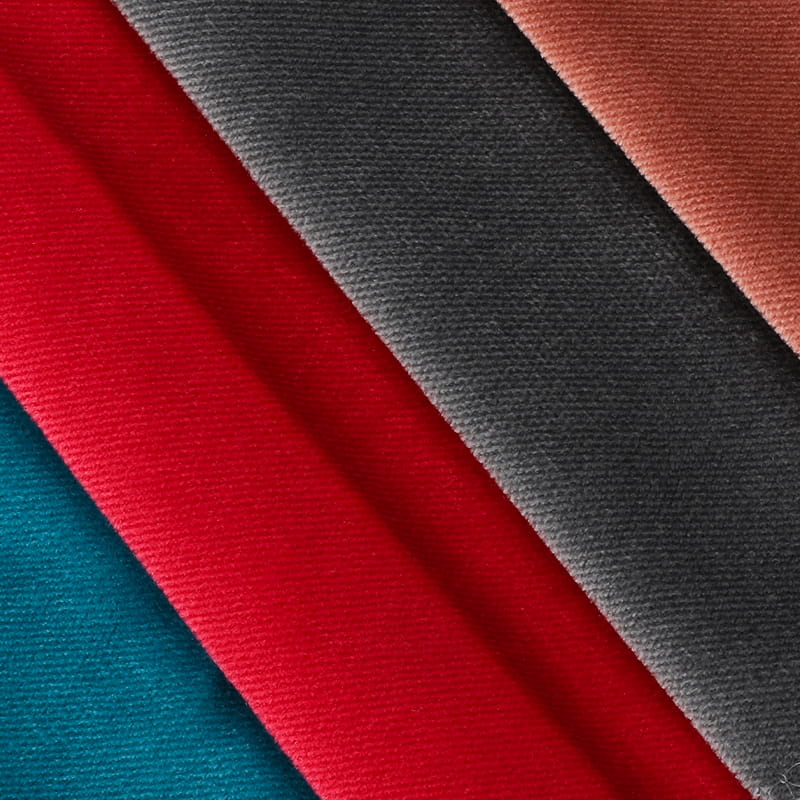
When a room is designated for entertaining guests or quiet reading, the frequency of use drops significantly. This is the environment where you can safely invest in delicate, luxurious textiles. Velvet, silk blends, fine linen, and high-thread-count cottons are appropriate here. These fabrics provide a tactile richness and visual depth that instantly elevates a space, and because they are subjected to less physical stress, their inherent vulnerabilities are not a practical liability.
Dining Areas
Dining chair upholstery faces a unique threat: food and beverage spills combined with the friction of people sliding in and out of seats. Smooth, tightly woven fabrics are ideal because they do not trap food particles. A treated polyester or a vinyl-leather alternative is highly practical, as spills can be wiped away instantly before they set into the fibers.
Understanding Weave Structures and Pilling
The way yarns are interlocked dictates not only the visual appearance of the fabric but also its physical resilience. Understanding basic weave structures helps predict how a textile will behave over time.
A plain weave, the most fundamental structure, involves a simple over-and-under pattern. It is incredibly stable and resistant to snagging, making it a workhorse for everyday upholstery. A twill weave, recognized by its diagonal ribbing, is generally more durable than a plain weave of the same weight and is highly resistant to tearing, which is why it is historically used for denim and heavy-duty applications. Satin weaves, while lustrous and smooth, are prone to snagging and are generally unsuitable for heavy use.
Pilling is a major concern with upholstery. It occurs when loose fibers are pushed to the surface of the fabric by friction and tangle together to form small, unsightly balls. Pilling is not necessarily a sign of poor quality; it often indicates the use of soft, strong fibers like wool or high-quality synthetics that simply have loose ends. However, persistent pilling that does not stop after the initial break-in period suggests a weak weave or poor fiber blending. To minimize pilling, look for fabrics that have been singed or shaved during the finishing process to remove loose surface fibers before purchase.
Color Fastness and Sunlight Degradation
Ultraviolet radiation is one of the most destructive forces acting upon home textiles. Prolonged exposure breaks down the chemical bonds in dyestuffs, causing colors to fade, and degrades the fibers themselves, causing them to become brittle and tear easily.
When evaluating fabric for a bright room, you must consider both the fiber type and the dyeing method. As mentioned, solution-dyed acrylics are the gold standard for UV resistance. Among standard dyed fabrics, polyester generally holds color better than nylon, and nylon holds color better than natural fibers like cotton and rayon. To test a fabric's colorfastness, request a sample and place it in a sunny window for a week, then compare it to a protected portion of the same sample. This simple, at-home test can prevent a costly mistake on a large sofa.
It is also worth noting that the color of the fabric itself influences perceived fading. Dark, saturated colors like navy blue or deep red show fading much more dramatically than light, muted pastels. If a room receives intense afternoon sun, choosing lighter, muted tones can help mask the inevitable gradual fading that occurs over the lifespan of the furniture.
The Role of Pattern and Texture in Maintenance
While the technical specifications of a fabric are vital, the visual design also plays a practical role in the ongoing maintenance of the furniture. Pattern scale and texture can act as a first line of defense against the visual impact of daily use.
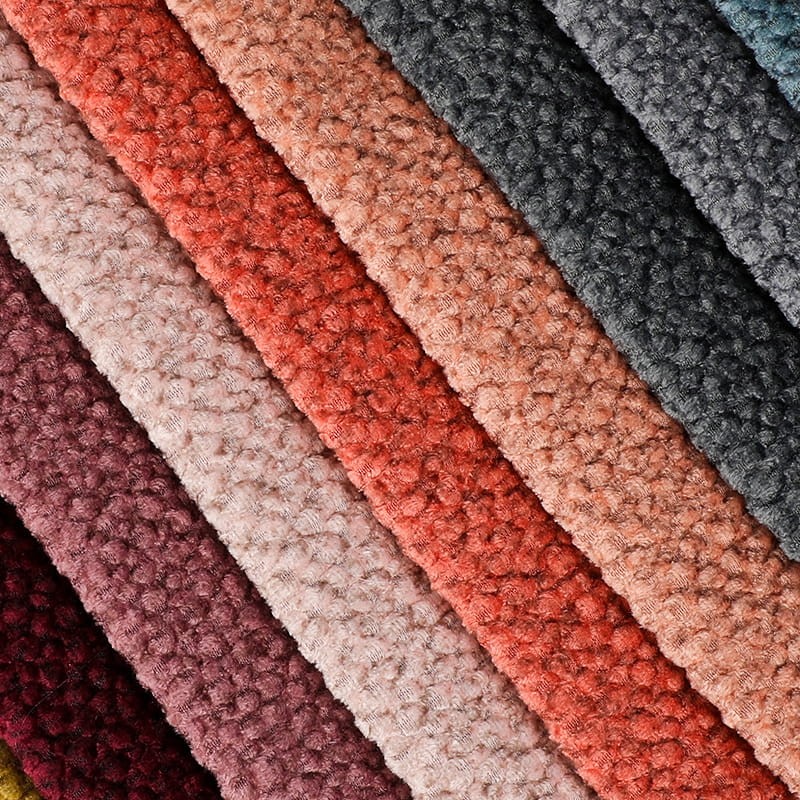
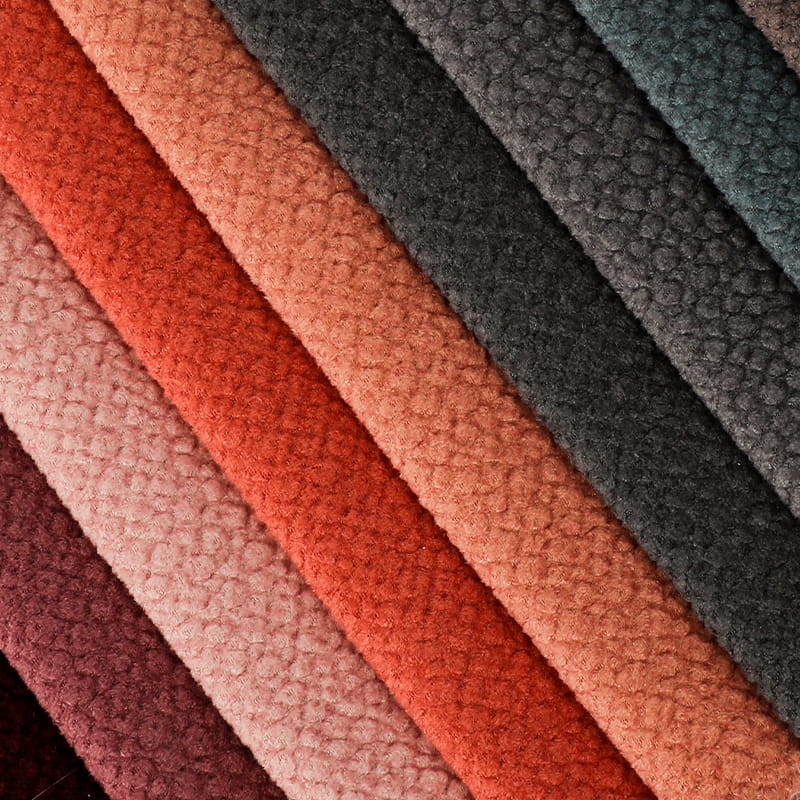
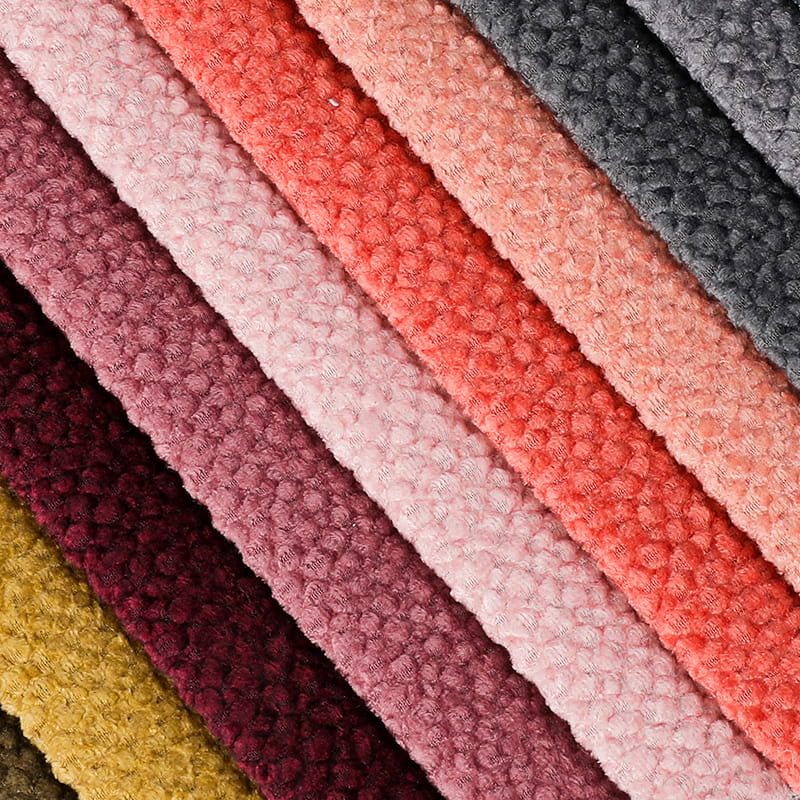
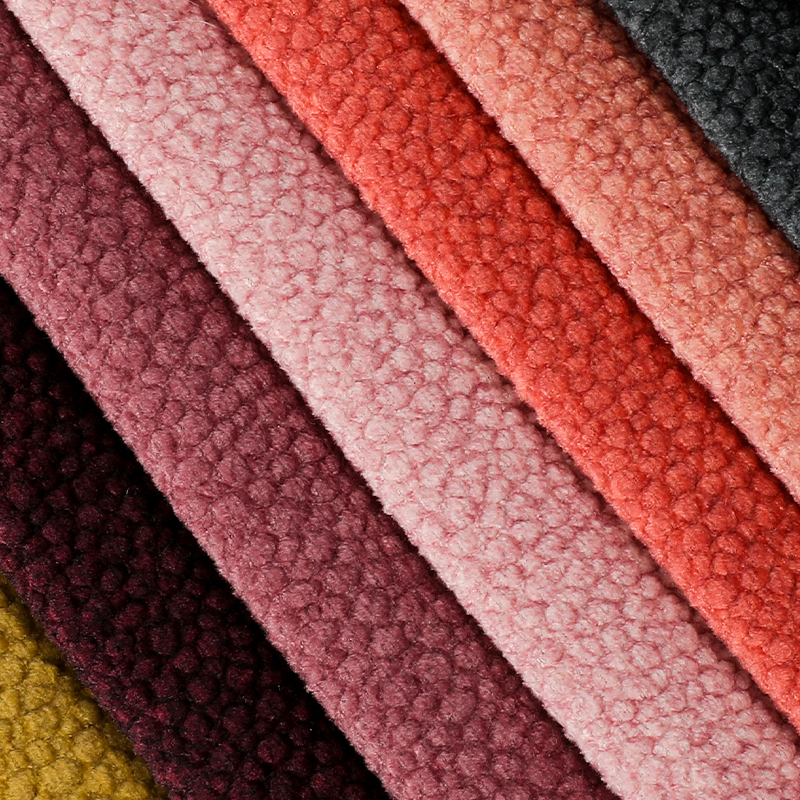
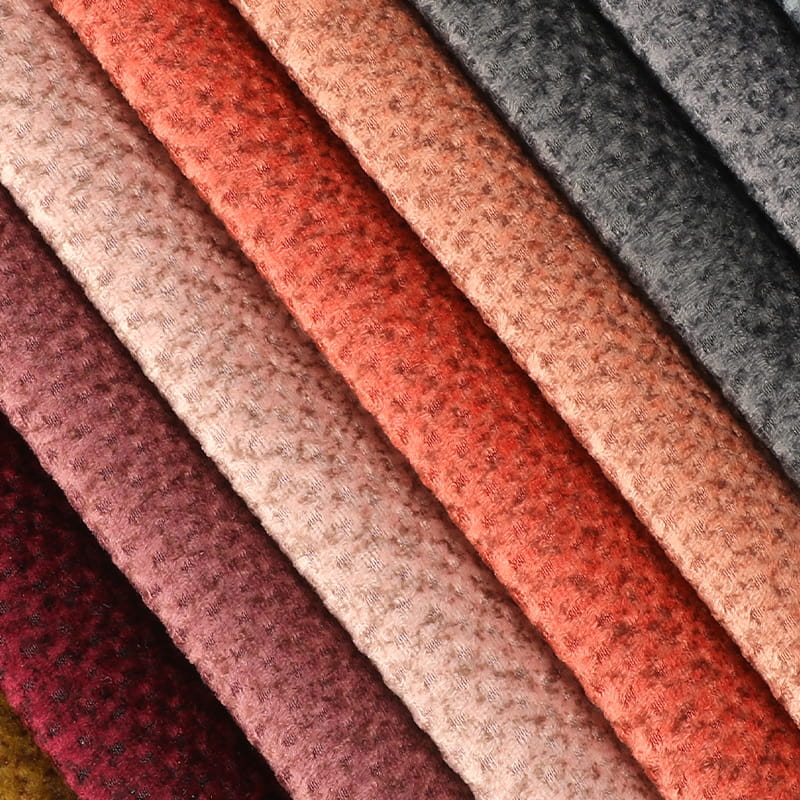
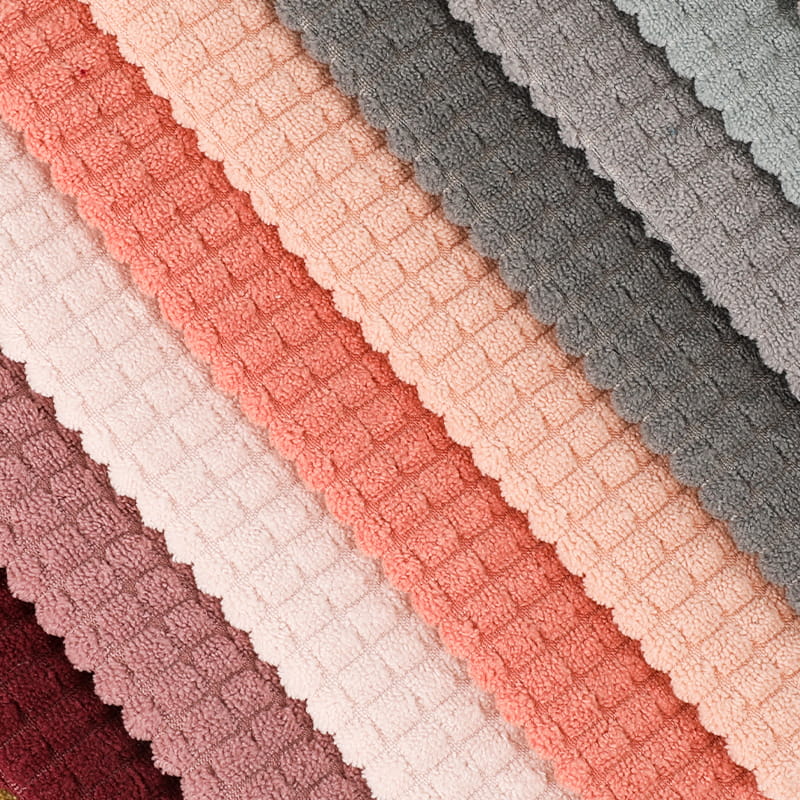
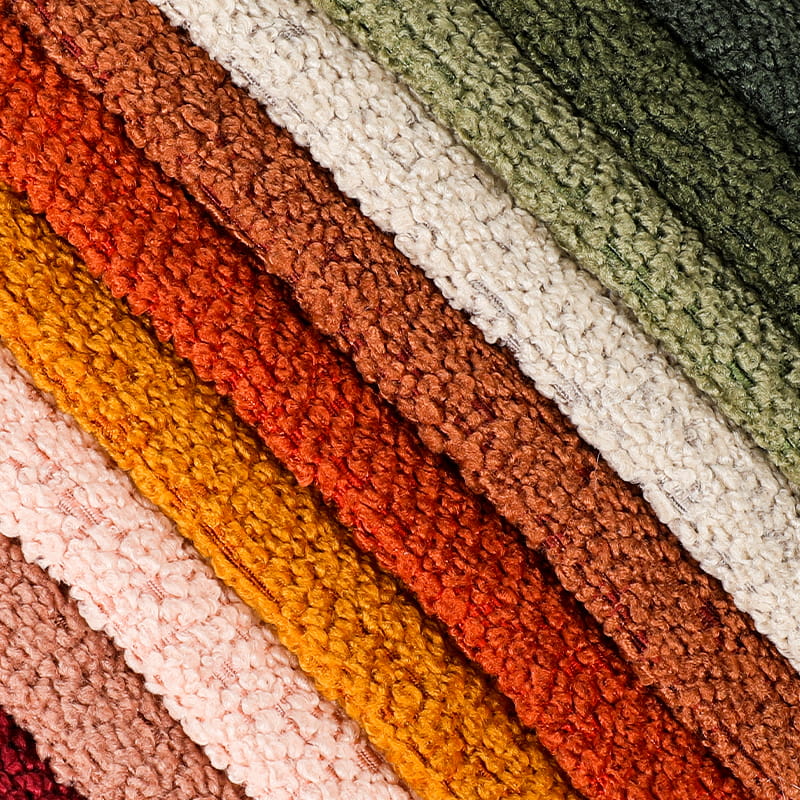
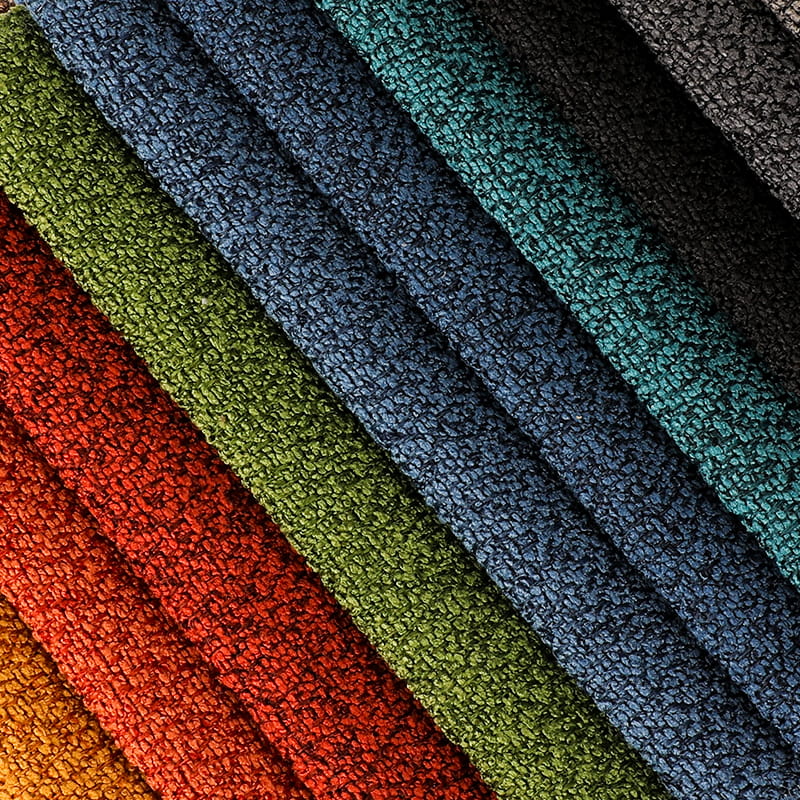
A large-scale floral or geometric pattern can effectively hide minor stains, fading, and wear spots because the human eye is drawn to the overall design rather than small imperfections. Conversely, a stark white, smooth fabric will highlight every speck of dust, pet hair, and slight discoloration. Textured fabrics, such as bouclé, chenille, or heavily slubbed linens, create a play of light and shadow that naturally camouflages imperfections.
However, heavily textured fabrics come with a cleaning caveat. The very nooks and crannies that hide stains also trap dirt, pet dander, and food crumbs. While smooth fabrics show dirt faster, they are significantly easier to vacuum and spot-clean than high-pile or deeply textured alternatives. Therefore, the choice between patterned, textured fabrics and smooth, solid fabrics often comes down to a trade-off between hiding imperfections and ease of thorough cleaning.
Essential Questions Before Making a Purchase
To consolidate the technical knowledge into actionable steps, homeowners should walk through a specific checklist when evaluating a bolt of upholstery fabric. Relying on subjective feelings like "softness" is a trap; objective criteria must lead the decision.
- What is the abrasion rating, and does it match the intended room's traffic level?
- Is the fabric solution-dyed or conventionally dyed, and how much direct sunlight will the furniture receive?
- Does the textile possess an inherent stain repellent finish, or will it require aftermarket chemical treatments?
- What is the exact fiber content breakdown, and does it balance comfort with the required durability?
- How complex is the weave structure, and does the texture align with the household's cleaning capabilities?
By systematically addressing these questions, you remove the guesswork from fabric selection. The most successful upholstery choices are never accidental; they are the result of cross-referencing the environmental demands of the space with the engineered properties of the textile. This disciplined approach ensures that the beauty of the furniture is supported by a foundation designed to withstand the rigors of daily life.
Long-Term Care and Fabric Longevity
Even the most resilient upholstery home textile fabric will fail prematurely if it is not cared for properly. Maintenance goes beyond reacting to spills; it involves proactive habits that preserve the integrity of the fibers.
Regular vacuuming is the single most important maintenance task. Dust acts like sandpaper; when ground into the fabric by people sitting down, it cuts microscopic fibers, accelerating wear and causing the fabric to look dull. Using a soft brush attachment weekly prevents this buildup.
When spills occur, the immediate reaction is critical. The instinct is to rub the stain, but this forces the liquid deeper into the weave and weakens the fibers. Blotting firmly with a clean, dry cloth is the only safe method for treating fresh spills, as it lifts the liquid out without causing friction damage. Furthermore, turning and rotating loose cushions frequently ensures even wear distribution, preventing one side from collapsing while the other remains pristine. Through a combination of strategic initial selection and disciplined ongoing care, quality upholstery fabric will age gracefully, maintaining its comfort and visual appeal for a decade or more.