English
 Español
Content
- Manufacturing Process and Material Classification of Suede Fabric
- Physical and Performance Characteristics of Suede Fabric
- Main Application Scenarios of Suede Fabric
- Daily Care and Maintenance Methods for Suede Fabric
- Quality Identification Standards for Suede Fabric
- Advantages and Limitations of Suede Fabric
- Sustainable Development and Future Trends of Suede Fabric
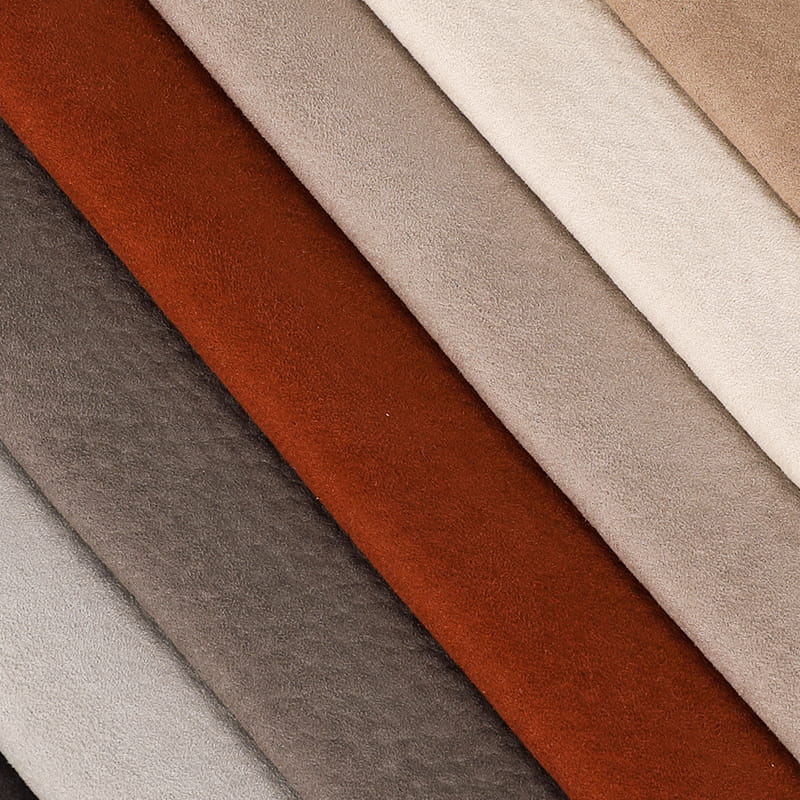
Suede fabric is a napped, soft-textured material renowned for its luxurious tactile experience, moderate durability, and wide adaptability across fashion, upholstery, and accessories. Unlike smooth leather or standard woven fabrics, its defining feature is the fine, raised fiber surface created through sanding or brushing, delivering a matte finish and gentle feel that stands out in the textile industry. It performs exceptionally well in low-friction, decorative, and daily-use scenarios but requires intentional care to maintain its appearance and extend service life.
The core value of suede fabric lies in its balance of aesthetic appeal and practicality: it offers the elegance of premium materials without the high maintenance of genuine suede leather (for synthetic variants) and fits seamlessly into both casual and refined settings. Whether used for clothing, furniture, footwear, or decorative items, it elevates the overall texture while remaining functional for everyday use.
Manufacturing Process and Material Classification of Suede Fabric
Natural Suede Fabric (Genuine Leather Base)
Natural suede is derived from the inner split of animal hides, primarily lamb, goat, or cowhide. The production process involves splitting the hide to remove the outer smooth grain layer, then sanding the inner layer to create a consistent, soft nap. This type retains the natural breathability and texture of animal leather, with a unique irregularity that makes each piece distinct.
One key characteristic of natural suede fabric is its high air permeability, making it comfortable for direct skin contact. However, it is more susceptible to water damage and staining compared to synthetic alternatives, requiring specialized care products to preserve its quality over time.
Synthetic Suede Fabric (Textile Base)
Synthetic suede, the most widely used variant today, is made from polyester, nylon, or blended chemical fibers. The manufacturing process includes weaving high-density base fabric, applying a napped coating, and mechanically brushing the surface to form fine, uniform fibers. Advanced production techniques ensure the nap is tightly bonded to the base, reducing shedding and enhancing stability.
Modern synthetic suede fabric is engineered to mimic the softness of natural suede while adding water resistance and stain resistance, significantly expanding its application scenarios. It is also more affordable and consistent in quality, making it the preferred choice for mass-produced goods and commercial applications.
Key Differences Between Natural and Synthetic Suede
| Feature | Natural Suede | Synthetic Suede |
|---|---|---|
| Breathability | Excellent | Good |
| Water Resistance | Poor | Very Good |
| Durability | Moderate | High |
Physical and Performance Characteristics of Suede Fabric
Tactile and Visual Properties
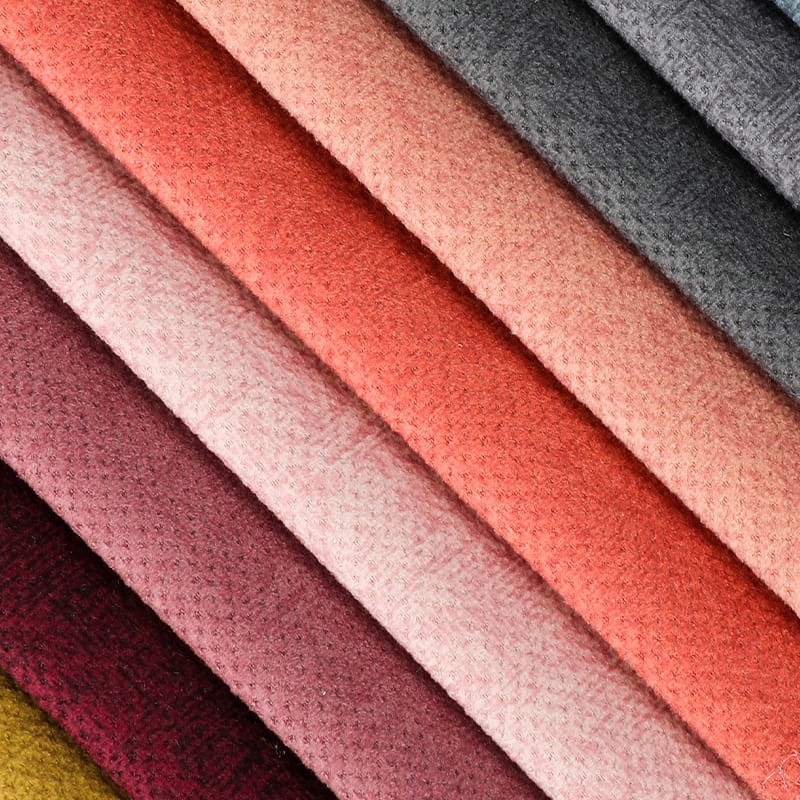
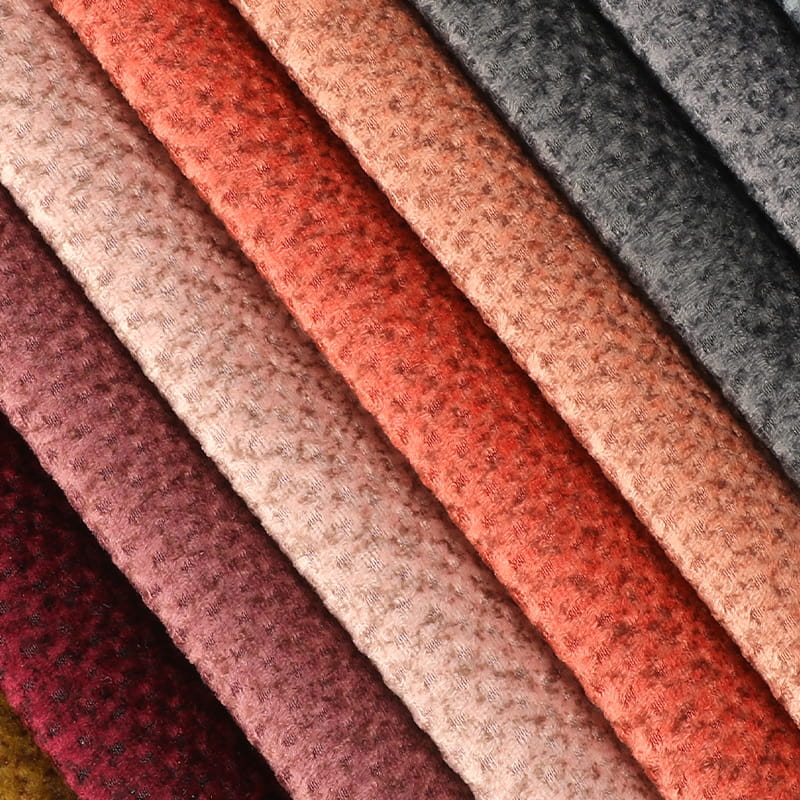
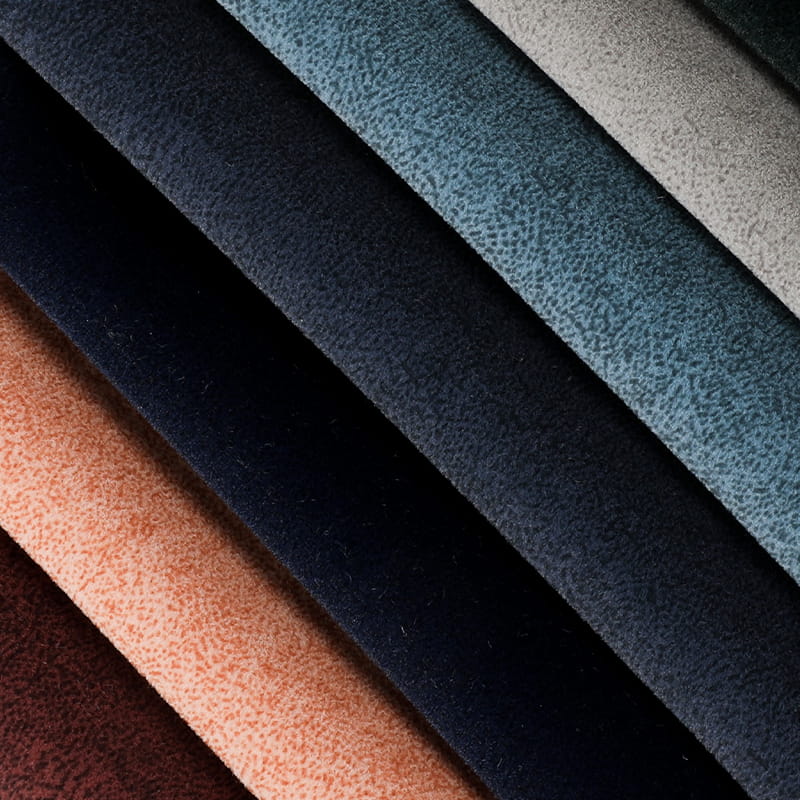
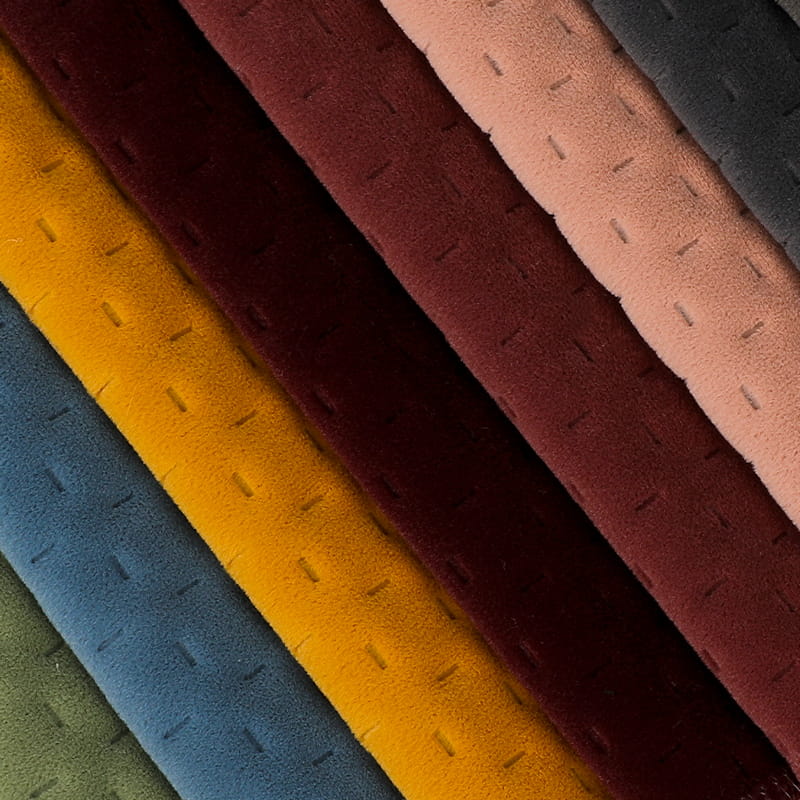
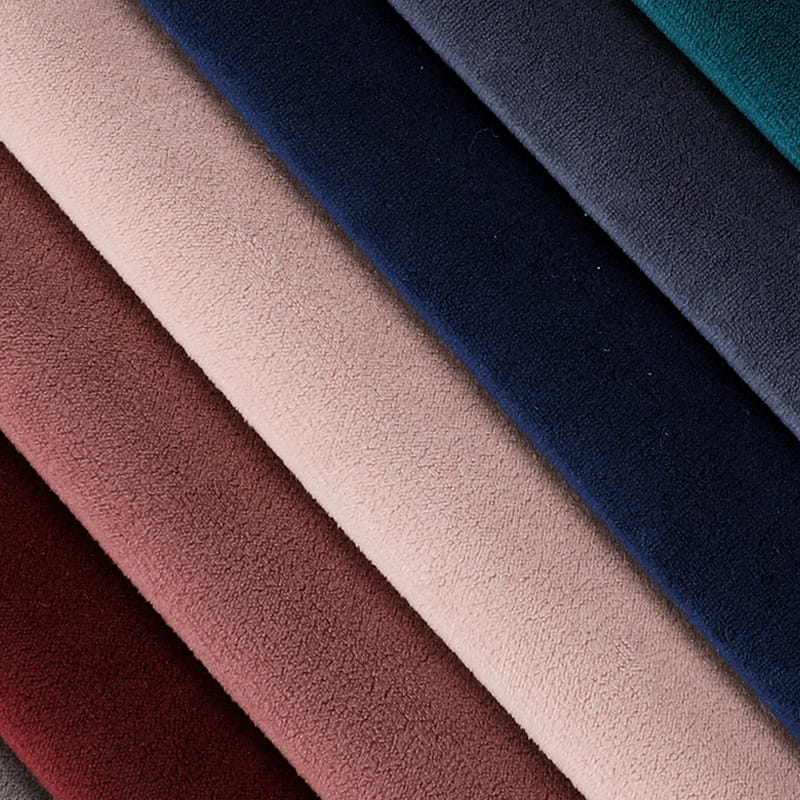
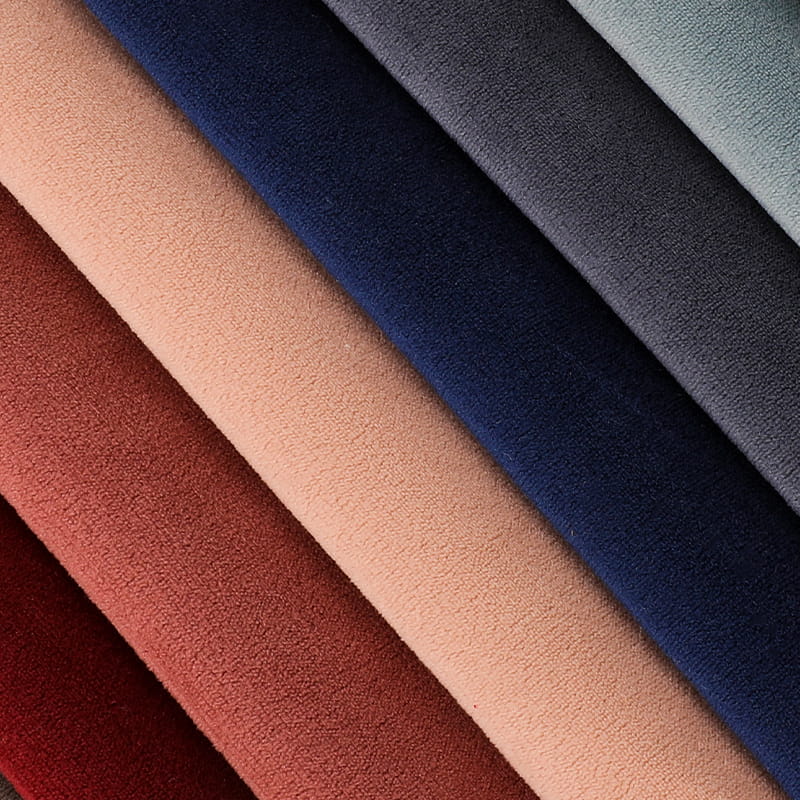
The most prominent feature of suede fabric is its soft, velvety touch free of sharp or rough edges. The fine nap creates a matte, non-reflective surface that avoids the glossy look of leather or synthetic coatings, offering an understated, sophisticated visual effect. The nap direction can create subtle light and shadow changes, adding depth to the material’s appearance.
High-quality suede fabric has a uniform nap length and density, with no bare spots or clumped fibers. This consistency ensures the material looks smooth and refined from all angles, making it ideal for products that prioritize both touch and sight.
Wear Resistance and Tensile Strength
Suede fabric offers reliable wear resistance suitable for daily use. Synthetic variants, in particular, have a high tensile strength that resists tearing and fraying under normal tension, making them suitable for high-use items like furniture upholstery and footwear. While it is not as abrasion-resistant as heavy-duty canvas, it outperforms many lightweight woven fabrics in longevity.
Tests show that quality suede fabric maintains its structural integrity after thousands of gentle frictions, with minimal nap loss or surface damage. This performance ensures products made from suede remain functional and attractive for extended periods.
Breathability and Temperature Adaptability
Natural suede fabric excels in breathability, allowing air and moisture vapor to pass through easily, preventing stuffiness when worn or used for seating. Synthetic suede has improved breathability in modern formulations, making it comfortable for year-round use. It retains mild warmth in cool conditions without overheating in warm environments, striking a balanced temperature performance.
Stain Resistance and Easy Maintenance Traits
Synthetic suede fabric features a protective surface layer that repels light liquid spills, allowing quick wiping before stains set in. Natural suede is more prone to absorption but can be treated with waterproofing sprays to enhance stain resistance. The fabric’s napped surface hides minor dust and dirt better than smooth fabrics, reducing the frequency of deep cleaning.
Main Application Scenarios of Suede Fabric
Apparel and Fashion Accessories
Suede fabric is a staple in the fashion industry, valued for its elegant texture and versatile styling. It is widely used for jackets, skirts, pants, and dresses, offering a soft drape that complements various body shapes. The matte finish pairs well with other materials like cotton, silk, and denim, creating layered, fashionable looks.
In accessories, suede fabric is the top choice for handbags, wallets, hats, and gloves. Its soft texture adds a premium feel to small goods, while its durability withstands daily carrying and handling. The fabric’s color retention is excellent, maintaining vibrancy even with regular use and exposure to light.
Footwear Production
Footwear is one of the largest application areas for suede fabric, including casual shoes, boots, sneakers, and loafers. The material’s softness conforms to the foot shape for enhanced comfort, while its grip and durability suit daily walking and light outdoor activities. Suede footwear balances style and functionality, suitable for both casual outings and semi-formal occasions.
The napped surface of suede fabric also provides slight slip resistance on smooth surfaces, adding a safety benefit to footwear design. It is available in a wide range of neutral and bold colors, matching diverse footwear styles and consumer preferences.
Home Textiles and Upholstery
Suede fabric is highly popular in home decor for sofas, cushions, curtains, and bed runners. Its soft texture creates a cozy, inviting living space, while its durability handles regular use by families and guests. The fabric’s sound-absorbing properties reduce room echo, improving overall acoustic comfort.
Upholstery-grade suede fabric is resistant to pilling and fading, maintaining its appearance even with daily seating and sunlight exposure. It is easy to vacuum and clean, making it practical for households with children or pets when choosing synthetic variants with enhanced durability.
Automotive Interior Decoration
High-quality suede fabric is extensively used in automotive interiors, including seat covers, door panels, steering wheel wraps, and sun visors. It offers a luxurious touch and comfortable grip, elevating the vehicle’s interior aesthetic. The fabric’s heat resistance ensures it remains cool to the touch in sunny conditions, enhancing passenger comfort.
Automotive suede fabric is engineered to resist fading from UV exposure and wear from frequent use, meeting the strict durability standards of the automotive industry. Its lightweight nature also supports vehicle fuel efficiency by reducing interior weight.
Craft and Decorative Items
Suede fabric is favored for handmade crafts, including photo frames, gift boxes, jewelry displays, and decorative ornaments. Its cutability and moldability allow for precise shaping and stitching, making it easy for crafters to create delicate, professional-looking items. The fabric’s rich texture adds a premium touch to small decorative pieces, enhancing their visual appeal.
Daily Care and Maintenance Methods for Suede Fabric
Routine Cleaning and Dust Removal
Daily maintenance is the key to preserving suede fabric’s appearance and lifespan. For dust and loose dirt, use a soft-bristled brush to gently sweep the surface in the direction of the nap, avoiding back-and-forth scrubbing that can damage fibers. A lint roller is also effective for removing pet hair and fine dust from clothing and upholstery.
Regular light cleaning prevents dirt from embedding into the nap, reducing the need for deep cleaning. It is recommended to perform quick dust removal once a week for frequently used suede items to keep them looking fresh.
Stain Removal and Liquid Spill Treatment
For liquid spills, act immediately by blotting the area with a clean, dry cloth or paper towel—never rub, as this spreads the stain and pushes liquid deeper into the fabric. For dry stains like oil or mud, allow the substance to dry completely before gently brushing it away with a suede brush.
Stubborn stains can be treated with a suede-specific cleaner, applied with a soft cloth in gentle dabbing motions. Avoid using water-based cleaners on natural suede, as they can cause water spots and discoloration. Always test cleaners on an inconspicuous area first to ensure no color fading occurs.
Protection and Waterproofing Treatment
Applying a suede protectant spray is the most effective way to prevent stains and water damage. This product creates an invisible barrier that repels liquids and dirt, making future cleaning easier. It is recommended to reapply the protectant every 2 to 3 months for regularly used items, or after deep cleaning.
Avoid exposing suede fabric to prolonged direct sunlight, as this can cause fading and fiber dryness. When not in use, store suede items in a cool, ventilated space, away from heat sources and moisture to maintain fiber elasticity.
Nap Restoration and Shape Maintenance
Over time, the nap of suede fabric may flatten due to friction. Restore it by gently brushing with a specialized suede brush in the direction of the fibers, lifting the nap back to its original soft, voluminous state. For creased suede clothing, use a low-heat iron with a cloth barrier—never iron directly on the fabric—to smooth out wrinkles without damaging the nap.
Avoid folding suede items tightly for long periods, as this can create permanent creases. For storage, use padded hangers for clothing and breathable fabric covers to protect against dust while maintaining air circulation.
Quality Identification Standards for Suede Fabric
Visual Inspection Criteria
High-quality suede fabric has a uniform, dense nap with no uneven patches, bare spots, or loose fibers. The color is consistent across the entire material, with no streaks, spots, or fading. The surface has a smooth matte finish, with no glossy areas that indicate poor manufacturing or coating issues.
Check the fabric’s edges and reverse side: quality suede has clean, neat edges with no fraying, and the base fabric is tight and durable with no thin or weak spots. The nap should adhere firmly to the base, with minimal shedding when lightly touched or brushed.
Tactile Evaluation Methods
Genuine high-quality suede fabric feels soft and smooth, with no rough or gritty areas. It has a slight plushness that springs back gently when pressed, indicating good fiber resilience. Inferior suede feels stiff, sticky, or overly thin, with a flat, unresponsive nap that does not recover quickly.
Rub the fabric lightly between your fingers: quality suede produces no excessive lint or fiber loss, while low-quality variants shed noticeably, a sign of poor bonding between the nap and base fabric.
Performance Testing Simple Methods
- Light tension test: Gently pull the fabric in opposite directions—quality suede shows minimal stretching and retains its shape, while poor-quality fabric distorts easily.
- Water resistance test (synthetic suede): Drop a small amount of water on the surface—high-quality fabric repels liquid into beads, while low-quality fabric absorbs water immediately.
- Friction test: Rub the fabric with a clean white cloth—no color transfer indicates good color fastness, a critical trait for long-term use.
Advantages and Limitations of Suede Fabric
Core Advantages
- Exceptional tactile comfort: Soft, velvety texture offers a premium feel unmatched by most standard fabrics.
- Versatile styling: Matte finish and drapeability suit fashion, home, and automotive uses with timeless appeal.
- Moderate to high durability: Resists wear, tearing, and pilling for long service life with proper care.
- Wide material options: Natural and synthetic variants meet different budget, performance, and ethical needs.
- Good color retention: Holds dye well, maintaining vibrant or neutral tones without rapid fading.
Key Limitations
- Natural suede has low water resistance and is prone to staining and water spots.
- The napped surface requires regular brushing to prevent flattening and maintain appearance.
- Not suitable for high-friction industrial use, as heavy abrasion damages the nap quickly.
- Natural suede requires specialized cleaning products, increasing long-term maintenance costs.
Understanding these pros and cons allows you to choose the right type of suede fabric for specific needs, maximizing its benefits while mitigating limitations through proper care and usage.
Sustainable Development and Future Trends of Suede Fabric
Eco-Friendly Material Innovation
The suede fabric industry is shifting toward sustainable manufacturing, with recycled polyester and bio-based fibers becoming primary raw materials for synthetic suede. These materials reduce plastic waste and carbon emissions, aligning with global environmental goals. New production processes also minimize water and chemical use, lowering the industry’s ecological footprint.
Natural suede production is adopting ethical sourcing practices, using hides from certified sustainable livestock and non-toxic tanning processes. These innovations make suede fabric a responsible choice for eco-conscious consumers and brands.
Functional Upgrade and Technological Integration
Future suede fabric will feature enhanced functional properties, including self-cleaning surfaces, advanced UV resistance, and antibacterial treatments. These upgrades reduce maintenance needs and expand applications to healthcare, hospitality, and outdoor industries. Nanotechnology is being used to strengthen the nap bond, eliminating shedding and improving durability even further.
Market Demand and Application Expansion
Consumer demand for soft, luxurious, and versatile textiles is driving steady growth in the suede fabric market. Its use is expanding beyond traditional sectors to emerging fields like smart textiles, where suede is integrated with conductive fibers for wearable technology. The combination of comfort, style, and sustainability ensures suede fabric will remain a popular choice in the global textile industry for years to come.
As manufacturing technology advances, suede fabric will become more accessible, durable, and eco-friendly, solidifying its position as a premium yet practical material for everyday and specialized use.