English
 Español
Content
- The Rise of Printed Sofa Fabric in Contemporary Home Décor
- The Design Language of Printed Sofa Fabrics is Being Redefined
- The Craftsmanship of Printed Sofa Fabrics is Driving a Leap in Quality
- Printed Sofa Fabrics as a Medium for Shaping Home Décor
- The Expanding Market Potential of Printed Sofa Fabrics
- Printed Sofa Fabrics Leading a Higher Level of Home Aesthetics
The Rise of Printed Sofa Fabric in Contemporary Home Décor
Printed sofa fabric, leveraging its dual advantages of visual expression and tactile experience, continues to garner increasing attention in the market. As consumers' aesthetic standards evolve and their personalized needs grow, sofa fabric choices are no longer limited to single colors or basic textures, but extend to more distinctive patterns, colors, and design languages. Printed sofa fabrics have thus rapidly gained popularity, gradually becoming an important component of modern home décor.
The Design Language of Printed Sofa Fabrics is Being Redefined
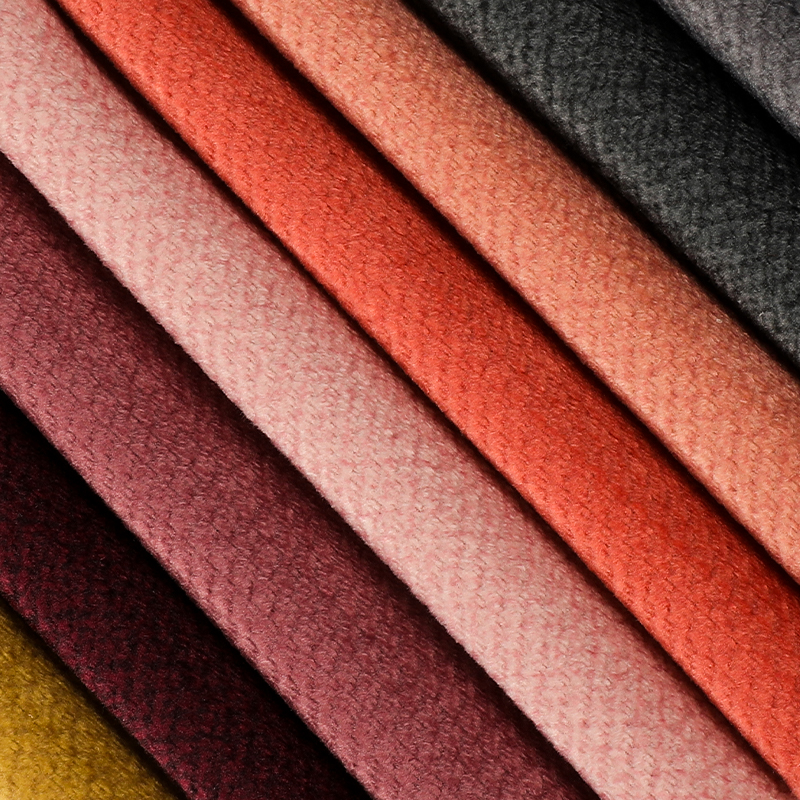
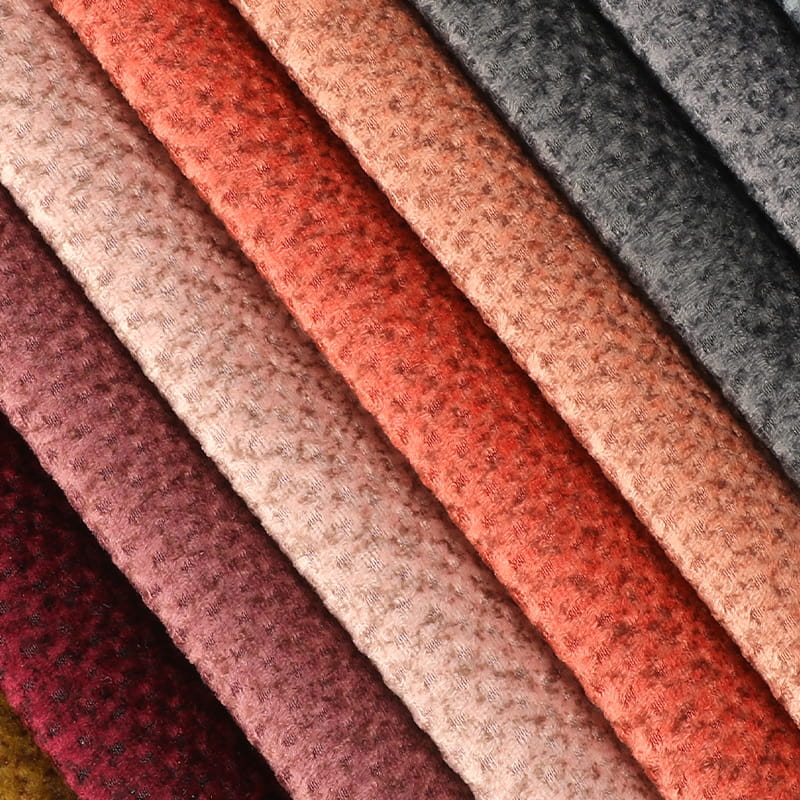
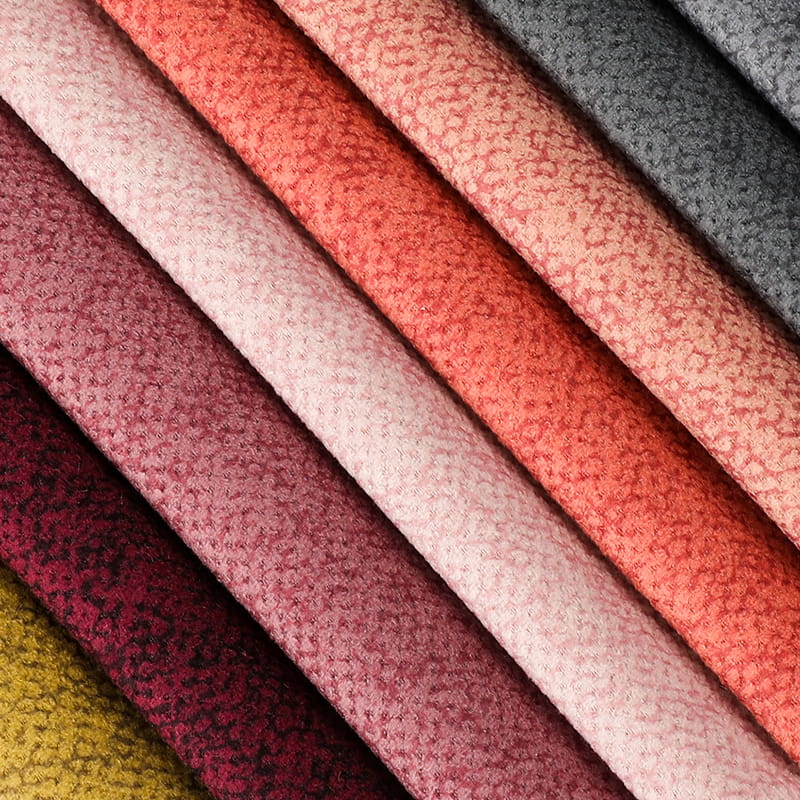
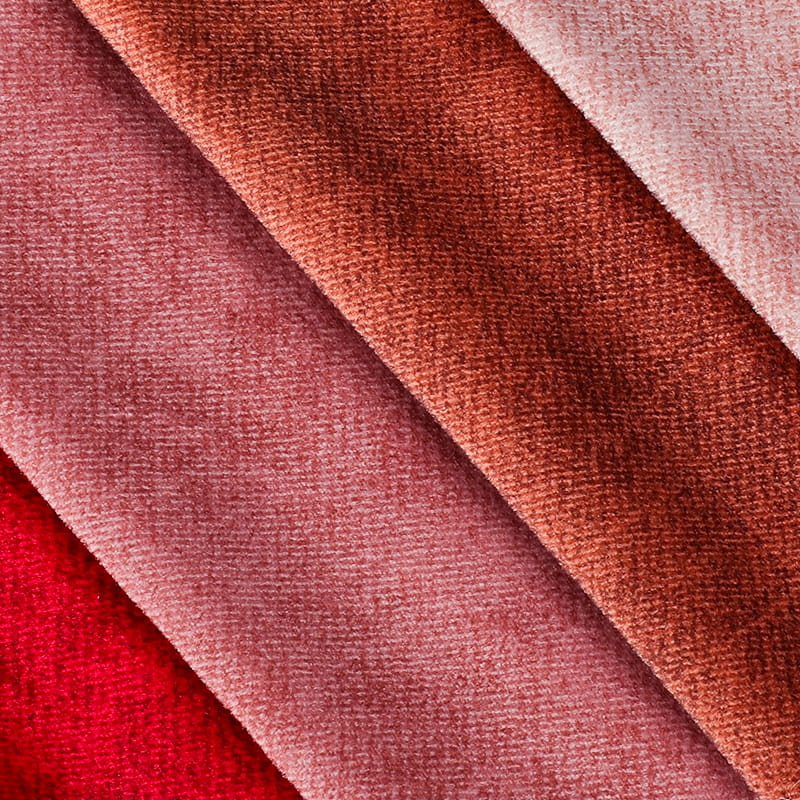
Contemporary printed sofa fabrics are no longer limited to traditional flat visuals, but are gradually forming multi-layered and multi-dimensional expressions. Designers, through a deep understanding of color saturation, pattern rhythm, and different yarn structures, allow printed elements to blend more naturally with the fabric texture. Today's printed designs tend to emphasize the emotional expression of spatial atmosphere, from soft warm tones to visually striking contrasting images, all guiding home décor trends. With the popularization of digital printing technology, design concepts can be implemented more precisely, and complex patterns can maintain clarity and visual texture, allowing fabrics to exhibit a high level of artistic expression.
Multi-dimensional Expression and Material Integration
Printed elements increasingly interact with the underlying texture of fabrics, producing a cohesive visual and tactile language. The relationship between pattern and structure becomes integral to the design outcome, elevating printed fabrics from surface decoration to a material system that participates in spatial storytelling.
The Craftsmanship of Printed Sofa Fabrics is Driving a Leap in Quality
The craftsmanship of printed sofa fabrics is undergoing a significant upgrade, with traditional printing and dyeing methods gradually shifting towards high-precision digital printing. Digital technology makes the presentation of patterns more stable and color transitions more natural, while reducing many limitations of traditional processes. The abrasion resistance and durability of fibers for daily use are also incorporated into a strict quality control system, ensuring that printed patterns retain their vibrancy even after prolonged use.
Technological Upgrades and Tactile Improvement
Continuous technological updates not only enhance the appearance but also significantly improve the tactile experience of the fabric itself. Many new printed fabrics place particular emphasis on softness against the skin, employing multi-layered processing to achieve a comfortable, skin-friendly texture. Simultaneously, with increasing environmental awareness, fabric manufacturing processes are moving towards green production, achieving a balance between quality and sustainability by reducing chemical auxiliaries and dye emissions.
Printed Sofa Fabrics as a Medium for Shaping Home Décor
The charm of printed sofa fabrics lies in their emphasis on the ambiance of a space, allowing a soft material to carry rich visual symbols. From modern minimalism to understated luxury, from natural soothing to retro chic, printed fabrics can convey unique style through patterns and color tones. In spatial design, they can become a visual focal point or a key element in balancing the environment's color scheme, adding depth and dimension to the overall layout.
Spatial Role and Visual Balance
In open-plan spaces, printed sofa fabrics can effectively define different areas, using the rhythm of patterns to create subtle boundaries. For users seeking a unique aesthetic, printed sofa fabrics offer greater freedom, allowing for the creation of distinct themes in different settings such as the living room, lounge area, and study, resulting in a more vibrant spatial experience.
The Expanding Market Potential of Printed Sofa Fabrics
As aesthetic trends shift from singular to diverse, printed sofa fabrics are gradually becoming a core category in the interior design market. Both home furnishing brands and custom furniture companies are placing greater emphasis on the development and promotion of printed fabrics. Consumers are increasingly focusing on individual expression and overall coordination when choosing fabrics; therefore, printed fabrics with artistic attributes, high spatial integration, and uniquely recognizable patterns are becoming the focus of market competition.
Industry Investment and Application Extension
Industry investment in the research and development of printed fabrics is also increasing. The combined impetus of design creativity, textile technology, and environmental strategies has led to a continuous expansion of the application scope of printed sofa fabrics. From the home decoration market to commercial spaces, guesthouses, and luxury interior design, printed fabrics are actively present. Their combination of practicality and aesthetic appeal ensures continued growth momentum in future market competition.
Printed Sofa Fabrics Leading a Higher Level of Home Aesthetics
As printed sofa fabrics evolve from traditional pattern presentations into an important medium for expressing spatial emotions, their status in the home furnishing field is elevated. It is not merely a material choice, but also an expression of style and attitude. With continuous technological advancements, printed fabrics will further break through material limitations, bringing richer visual language and emotional experiences to home spaces through more innovative designs and processes. In the future, printed sofa fabrics will continue to be a vital force in enhancing the quality of home furnishings, creating scene atmospheres, and shaping unique spatial styles.
Conclusion
Printed sofa fabric stands at the intersection of design innovation and manufacturing progress, offering new possibilities for aesthetic expression and functional performance in interior spaces. As the industry continues to advance, printed fabrics will play an increasingly central role in defining the look and feel of contemporary living environments.