English
 Español
Content
Introduction
In modern home design, sofa furniture fabric is no longer just about appearance; it's a core element of comfort, functionality, and spatial style. With continuous advancements in fabric technology, sofa furniture fabrics are becoming increasingly diverse, needing to meet aesthetic demands while also considering durability, ease of care, and tactile qualities for everyday use. Choosing the right fabric can not only enhance the home atmosphere but also significantly extend the lifespan of the sofa.
The Decisive Impact of Fabric Texture on Home Atmosphere
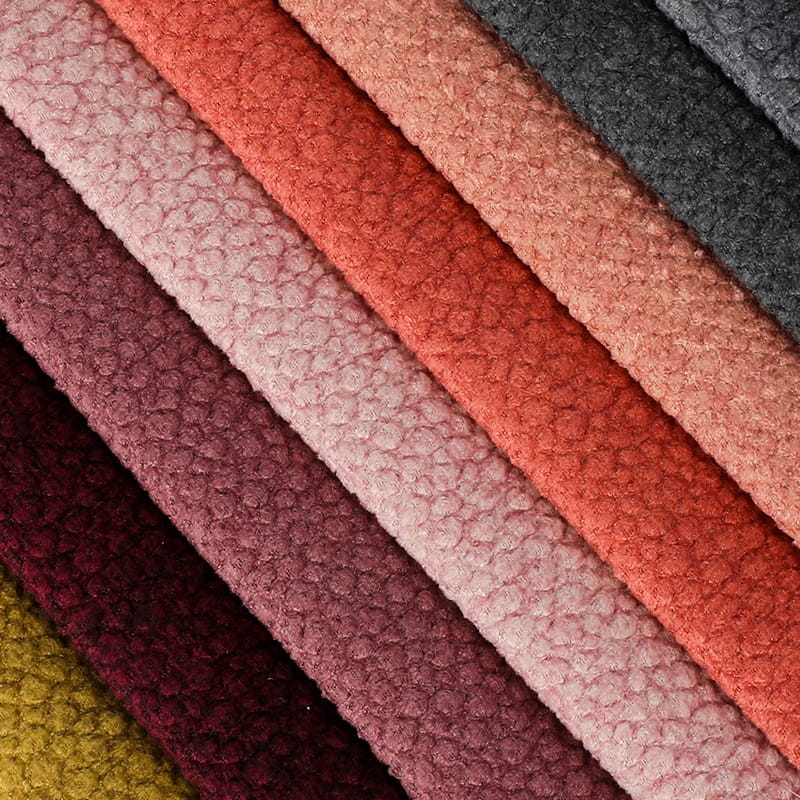
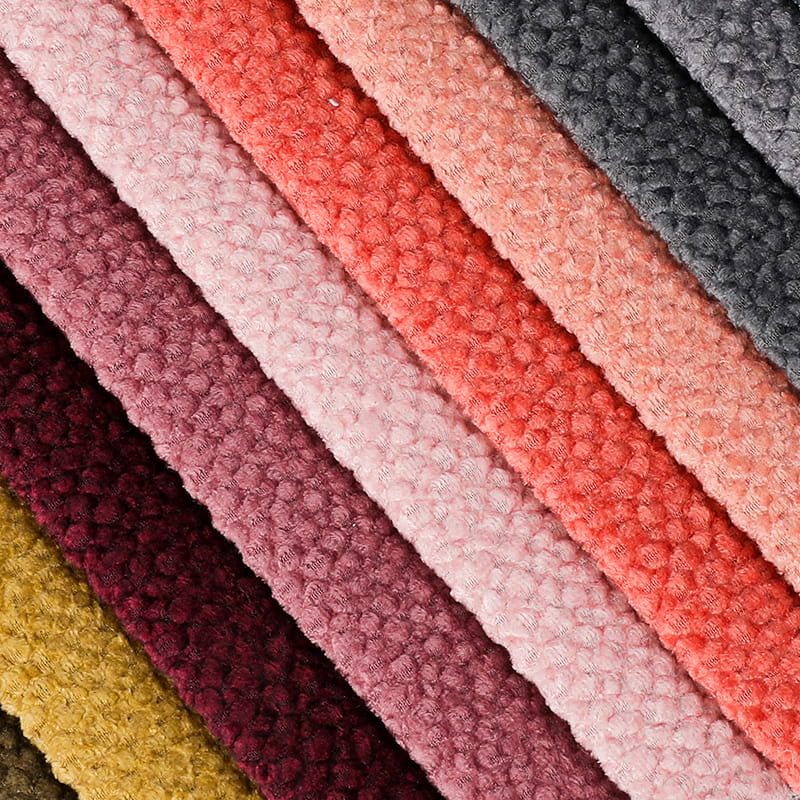
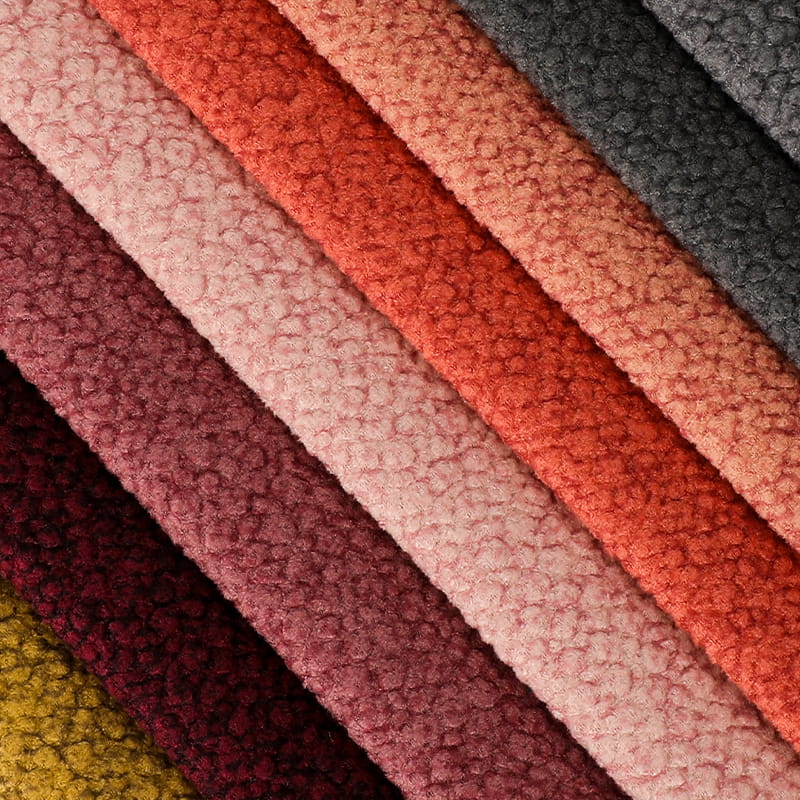
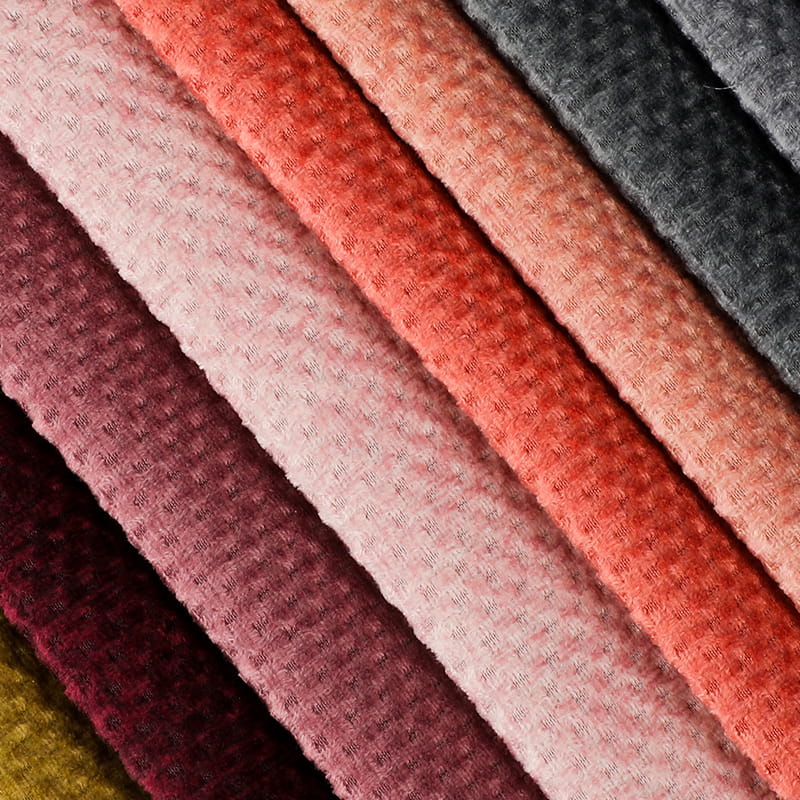
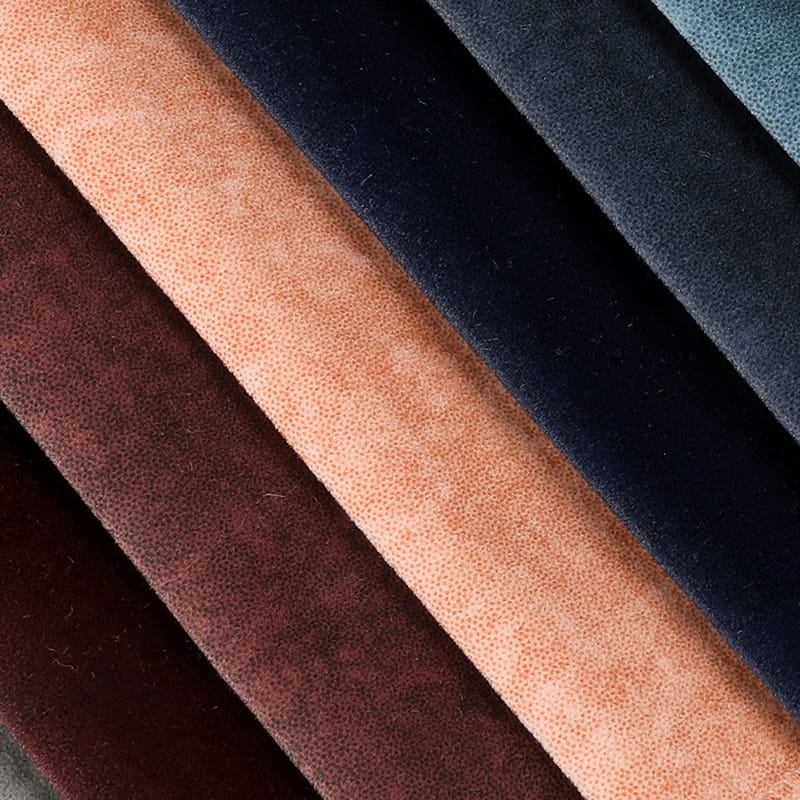
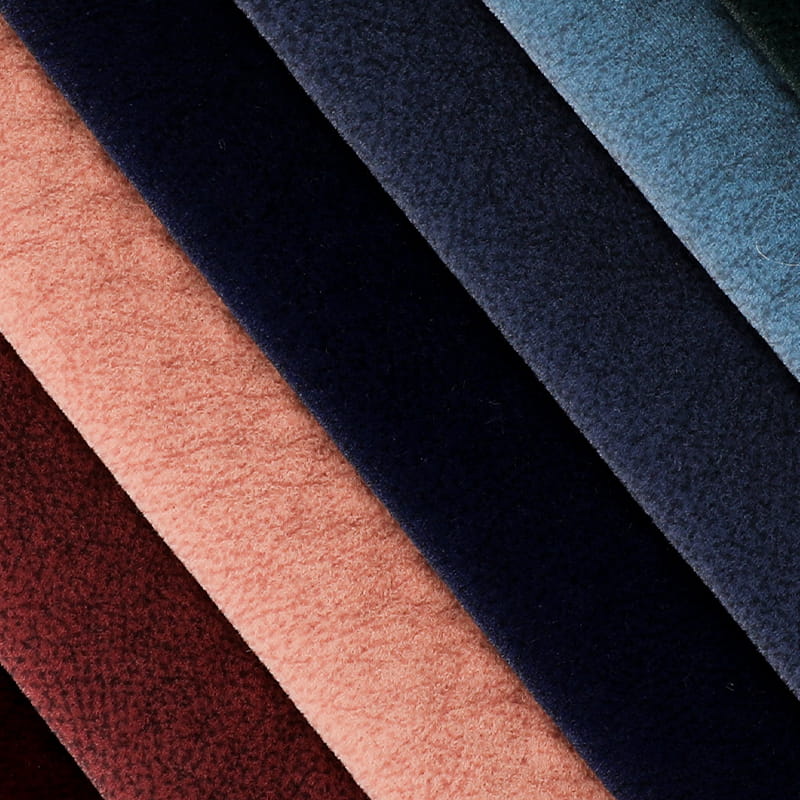
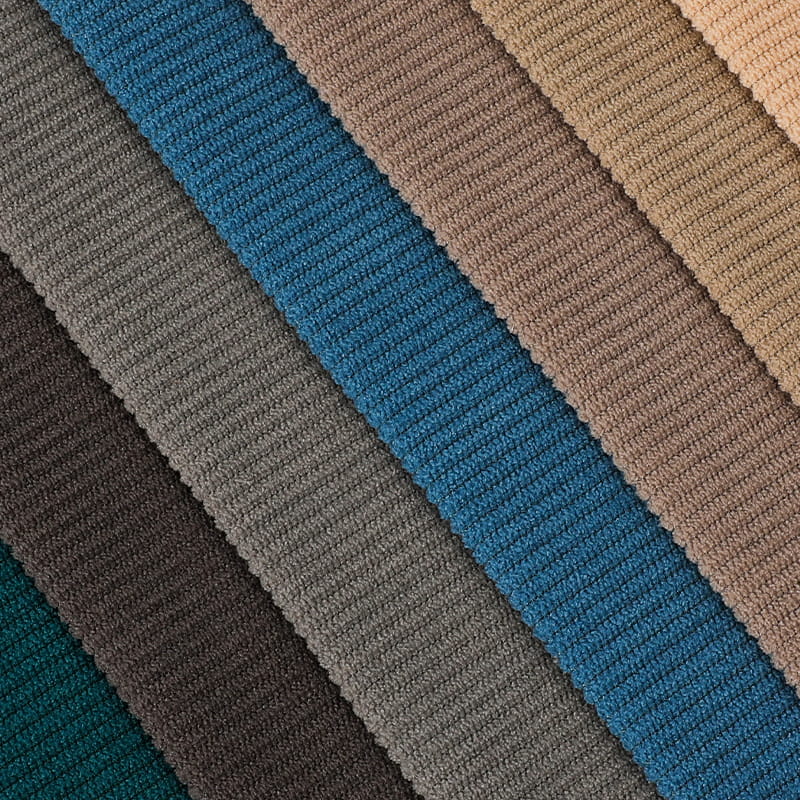
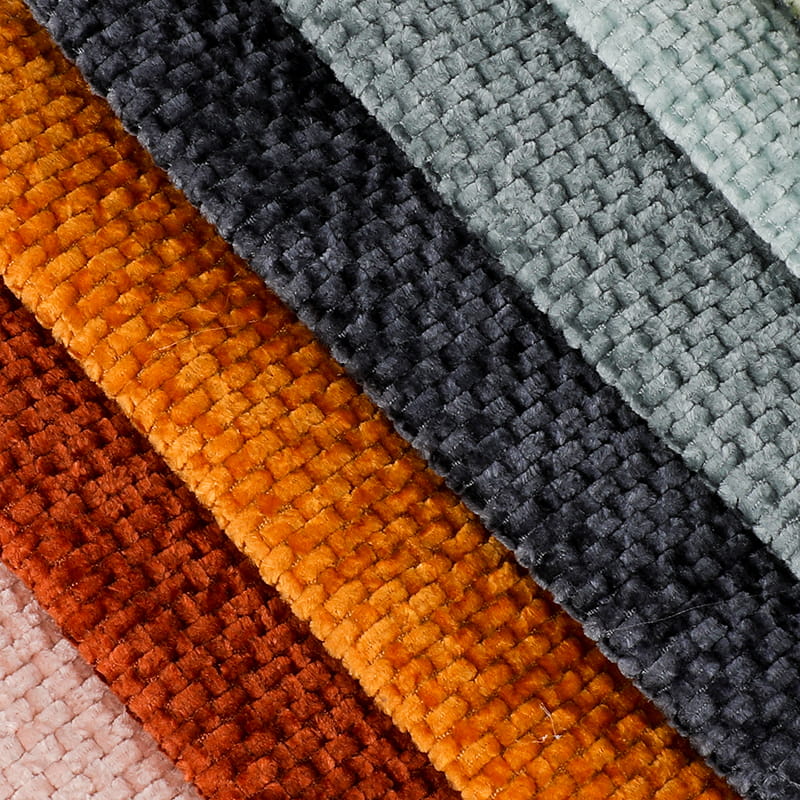
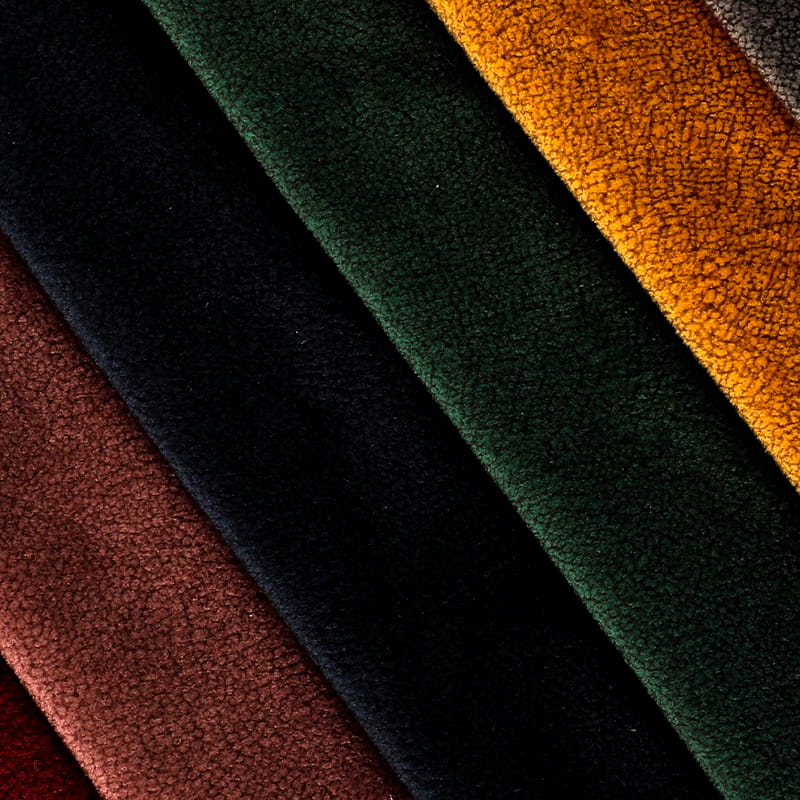
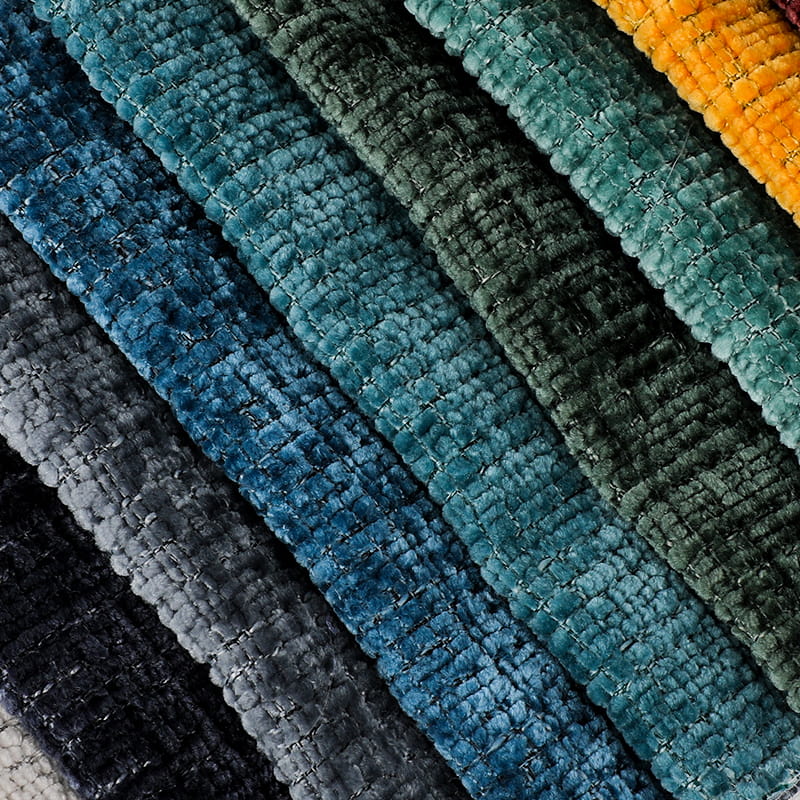
The feel of the fabric directly affects the comfort level of the sofa. Softness, smoothness, and breathability are important factors determining texture. Different materials have different tactile properties; their fineness, fiber arrangement, and surface texture all change the user's sitting experience and overall impression. High-quality fabrics usually feel more uniform and full to the touch, exhibiting a natural luster under light, making the sofa a visual focal point in the space. The fabric's texture design also influences the atmosphere; fine textures create a refined feel, while coarse textures have a more natural style, and surfaces with a slight sheen will show a soft reflection under light, enhancing the spatial layering.
Abrasion Resistance is a Key Indicator of Sofa Fabric Quality
As a frequently used piece of furniture, the abrasion resistance of the sofa fabric determines its lifespan. The tighter the fabric structure, the stronger its resistance to friction. The weaving method, fiber strength, and overall density of the fabric affect its pilling resistance and pressure resistance. High-abrasion-resistant fabrics are less likely to deform, sag, or pill after prolonged use, thus maintaining the overall aesthetics of the sofa. For living room sofas that are frequently used in a family environment, abrasion resistance is particularly important, as the stability of the fabric determines its performance under daily wear and tear. Fabrics with good abrasion resistance remain flat during use and do not show significant fiber damage due to friction.
Easy Care Features Enhance Daily Convenience
Modern consumers' demands for sofa fabrics are no longer limited to aesthetics; they also prioritize the convenience of daily maintenance. The stain resistance, water resistance, and dustproof properties of the fabric significantly affect the ease of cleaning. Many sofa fabrics are treated with special processes to enhance the surface protective layer, making it more difficult for stains to penetrate the fibers. Daily cleaning only requires simple wiping to restore cleanliness. The stability of the fabric's internal structure also affects its susceptibility to dust accumulation; the tighter the structure, the less likely dust particles are to adhere. At the same time, the breathability of the fabric is also important for the indoor environment. Fabrics with good breathability are less likely to feel stuffy, maintaining a refreshing feel even after prolonged use, making the sofa more suitable for year-round use.
The Importance of Color Performance and Visual Presentation
As a core piece of furniture in the living room, the color of the sofa fabric influences the overall visual mood of the space. The saturation, uniformity, and colorfastness after long-term use all determine the lasting beauty of the fabric. High-quality fabrics perform better in terms of color stability, and are less likely to fade due to sunlight or wear and tear. The more natural the color presentation, the more consistent the visual effect will be under different lighting conditions. Some fabrics, through special processes, can present richer layers, allowing the sofa to display different subtle variations under natural light and artificial light, further enhancing the design sense of the space.
Eco-friendly Fabrics are Becoming a Trend
With the popularization of healthy home concepts, eco-friendly sofa fabrics are receiving increasing attention in the market. The absence of irritating odors, a skin-friendly feel, and reduced chemical residues during production are important characteristics of eco-friendly fabrics. For users with sensitive skin, eco-friendly fabrics can significantly improve home health. At the same time, eco-friendly fabrics usually exhibit more balanced characteristics in terms of breathability and structural stability, making them a preferred choice for modern families.
FAQ
Is thicker sofa fabric always better?
Thickness is not the only criterion for quality; the key lies in structural density and fiber strength. Thick but loosely structured fabrics are more prone to wear and tear.
Does wear-resistant fabric affect comfort?
High wear resistance does not equal a rough feel. Modern technology allows for a balance between wear resistance and softness through fiber treatment.
How to determine if a fabric is prone to fading?
Observe the fabric surface under natural light. If the color is stable and there are no obvious dark areas, it indicates that the dyeing process is mature and the risk of fading is low.
Are breathable fabrics more likely to attract dust?
Breathability is not directly related to dust accumulation. Dust accumulation is influenced by the electrostatic properties of the fibers and the surface texture.