English
 Español
Content
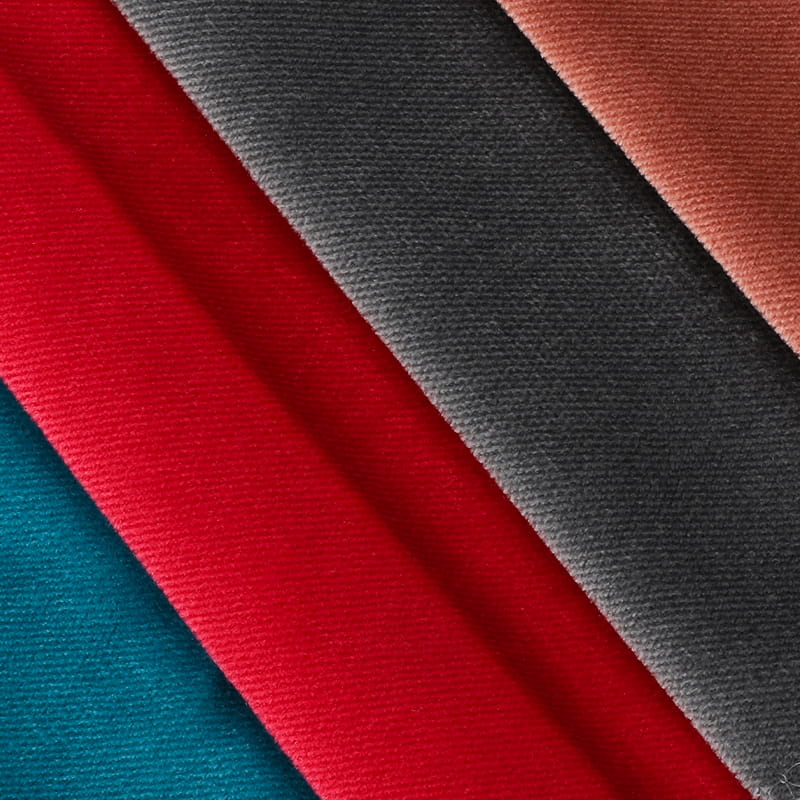
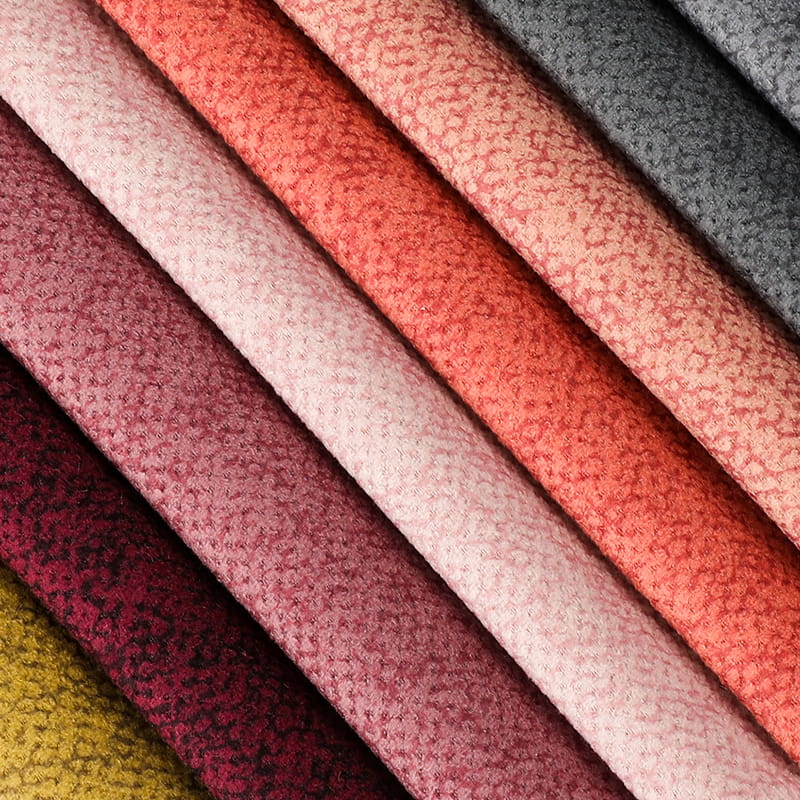
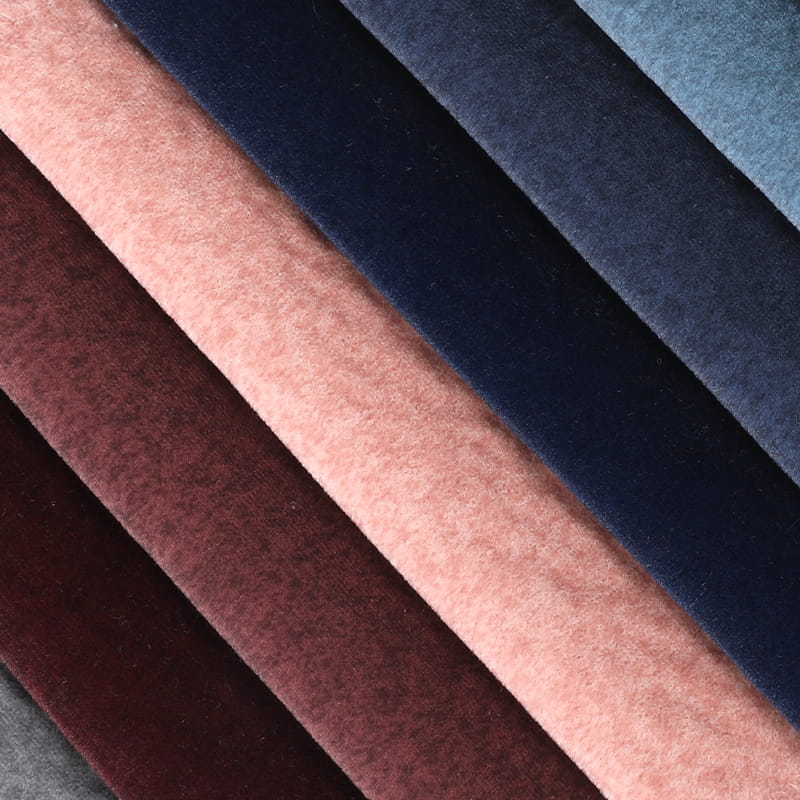
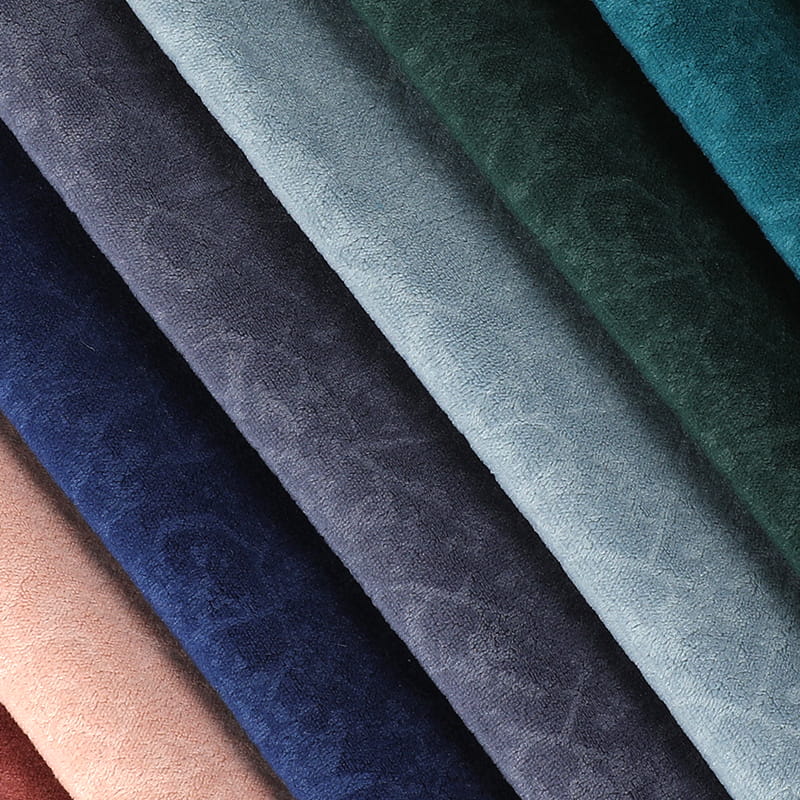
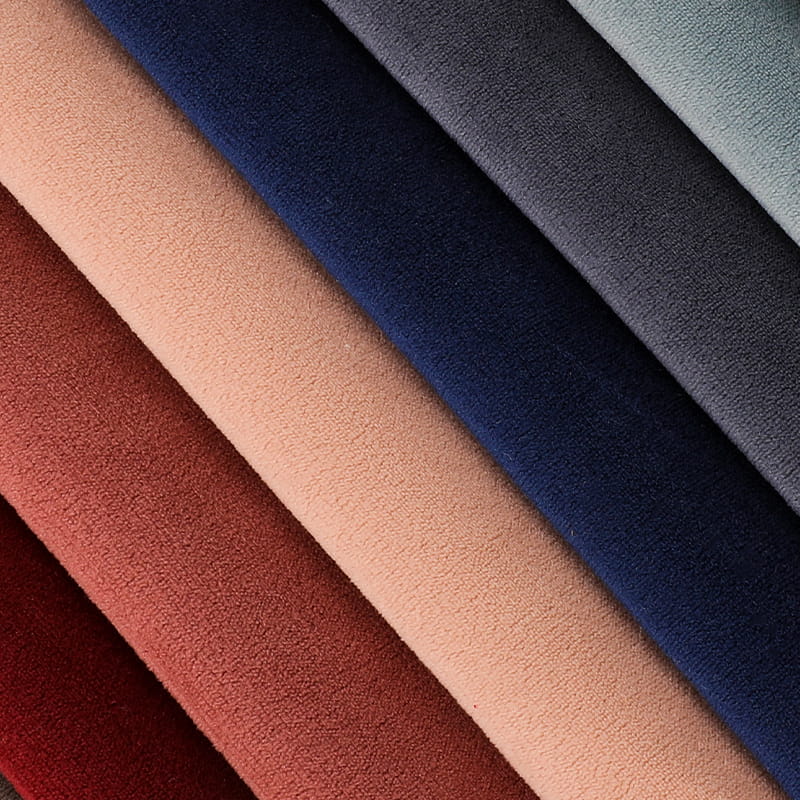
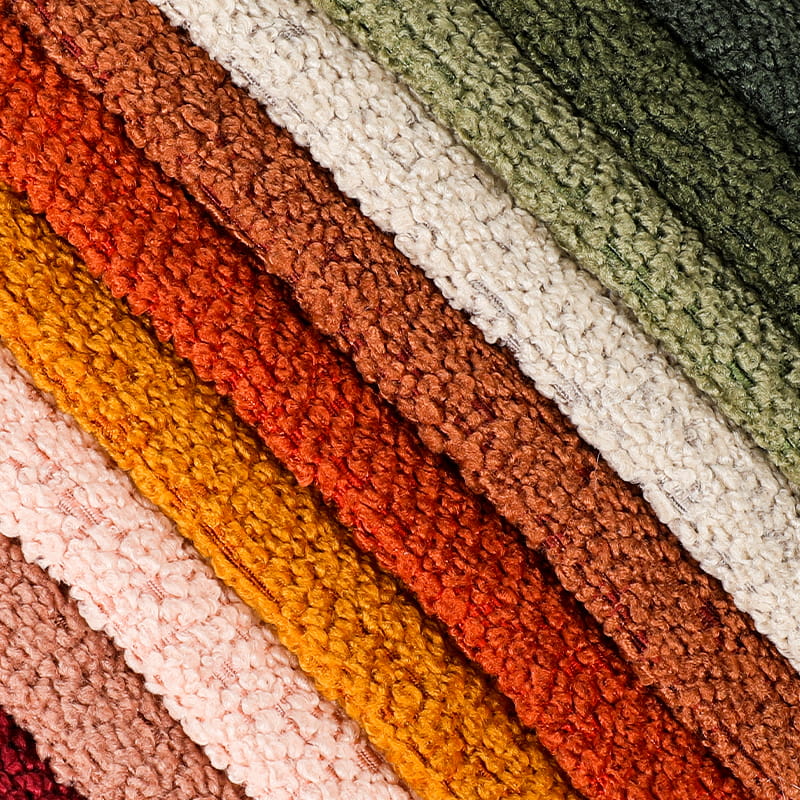
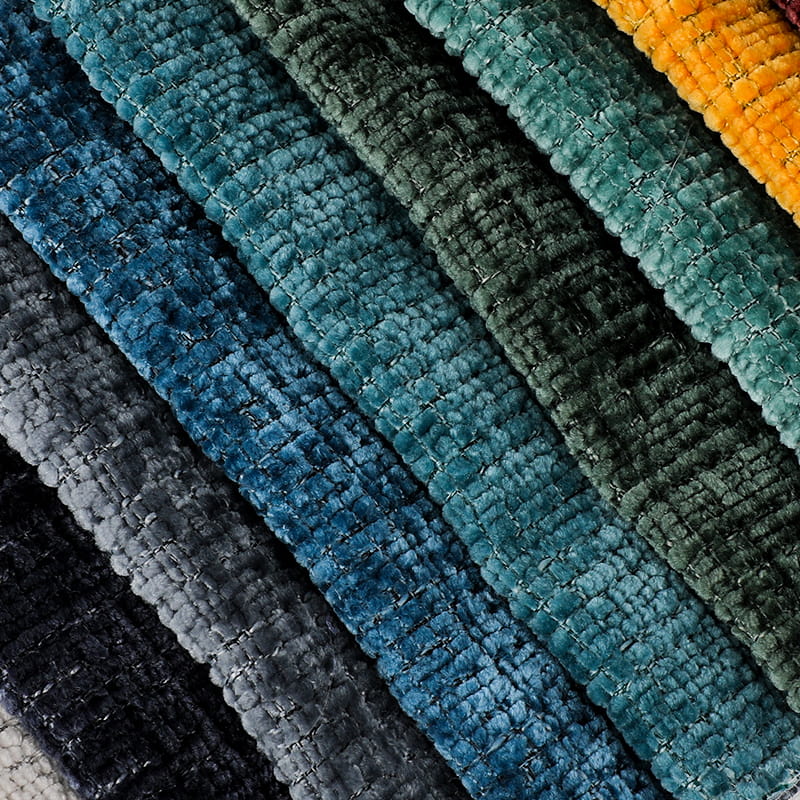
Holland velvet fabric, as a unique textile, is not only loved by designers and consumers for its luxurious appearance and exceptional feel, but also holds a significant position in home furnishings, clothing, and decoration due to its superior durability and elegant texture. Compared to other types of velvet fabrics, it stands out in the market due to its unique manufacturing process and texture.
The Unique Manufacturing Process of Holland Velvet Fabric
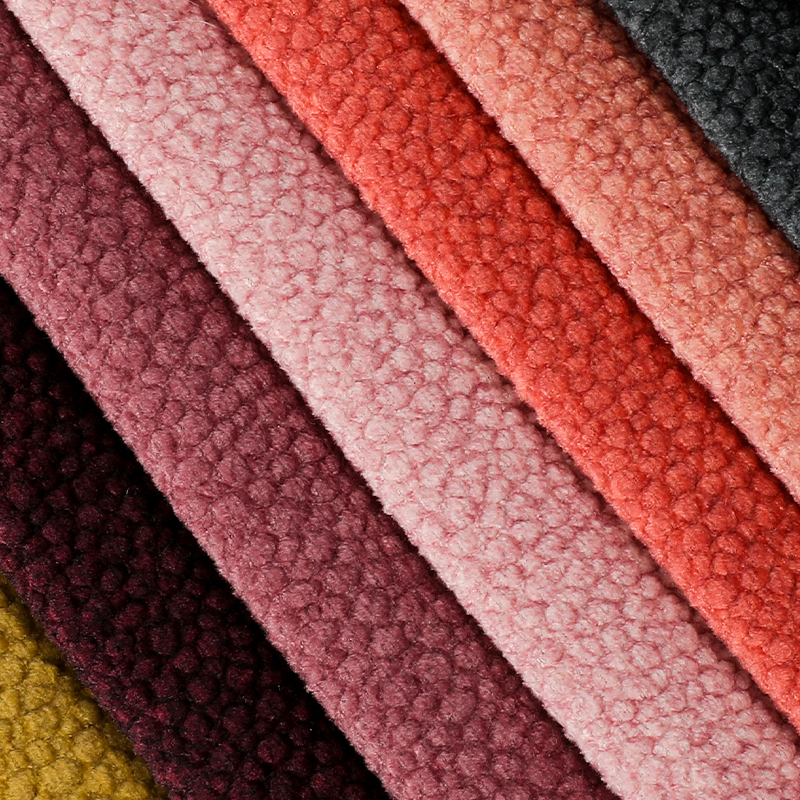
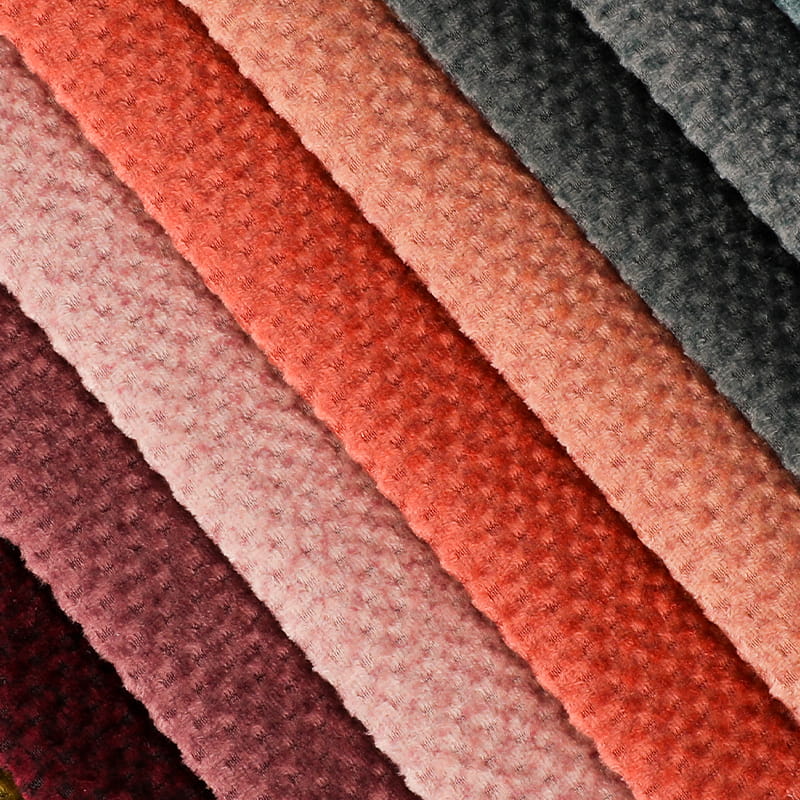
The manufacturing process of Holland velvet fabric is one of the key reasons for its distinction. Compared to traditional velvet fabrics, Holland velvet uses a more refined weaving technique. This technique not only maintains the characteristic softness and luster of velvet but also enhances the fabric's durability and color fastness. Holland velvet typically uses high-quality fiber materials, such as fine cotton, silk, or synthetic fibers, which are woven at high density and undergo meticulous post-processing, making each fiber appear fuller and more elastic.
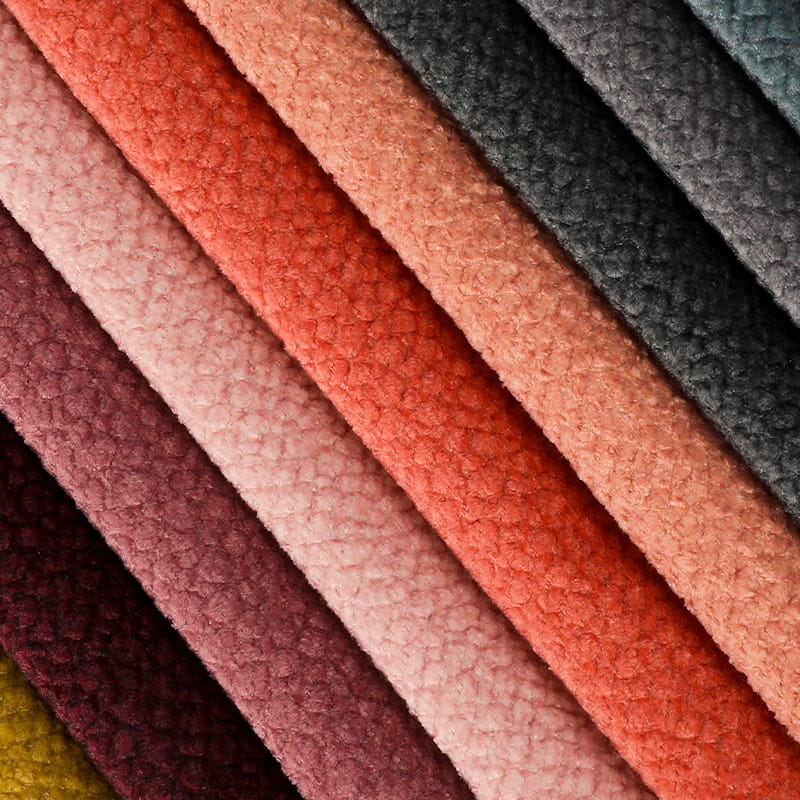
In the weaving process of Holland velvet fabric, the selection of yarns and the interlacing method are particularly crucial. Through a special combing process, the fabric's loops are uniform and dense, giving it a luxurious and smooth feel. Furthermore, Holland velvet often utilizes dyeing techniques to create subtle color variations under different lighting conditions, resulting in a unique visual effect. This exquisite craftsmanship imbues every inch of Holland velvet fabric with artistry and quality.
The Elegance and Durability of Holland Velvet Fabric
One of the most striking features of Holland velvet fabric is its unique luster. Due to the special arrangement of its surface fibers, velvet fabric reflects light, presenting an elegant sheen. Holland velvet, building upon this, uses refined textile techniques to make the fabric's luster more uniform and layered, enhancing its noble texture.
The durability of Holland velvet is another major advantage. Traditional velvet fabrics are prone to losing their luster or even showing wear and tear due to friction or time. However, Dutch velvet, through the reinforcement of its fiber structure during the manufacturing process, becomes more resistant to tearing and abrasion, maintaining its high quality even with prolonged use. Even in high-frequency use environments, Dutch velvet retains its original luxurious appearance and soft feel.
Diverse Applications of Dutch Velvet Fabric
The nobility and durability of Dutch velvet fabric have led to its widespread use in various fields. From home decor to fashion apparel and automotive interiors, the applications of Dutch velvet are almost ubiquitous. In the home furnishings sector, Dutch velvet is often used as upholstery for sofas, curtains, cushions, and other soft furnishings. Its rich colors and soft touch add an elegant and comfortable atmosphere to any room.
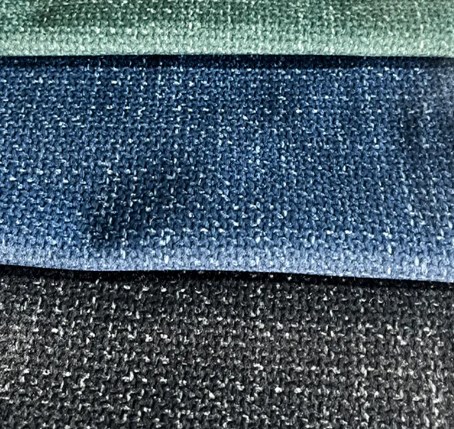
In clothing design, Dutch velvet is also widely used, especially in high-end custom clothing and evening gowns. Dutch velvet fabric can showcase the three-dimensionality and layering of garments, giving the wearer a noble and elegant temperament. Whether for evening wear, wedding dresses, or winter coats, Dutch velvet enhances the overall texture and visual effect of the clothing.
With technological advancements, Dutch velvet fabric is also being applied to more innovative fields, such as car seats and interiors, adding a touch of luxury to vehicles with its comfort and aesthetics.
Environmental Advantages of Dutch Velvet Fabric
In recent years, with the increasing awareness of environmental protection, consumer demand for eco-friendly fabrics has grown. Dutch velvet fabric, as a high-quality fabric, is also gaining attention for its environmental friendliness. During the manufacturing process, the dyes and fiber materials used in Dutch velvet mostly comply with international environmental standards, reducing environmental pollution. Furthermore, the high durability and fade resistance of Dutch velvet mean that it does not need frequent replacement during long-term use, thus reducing resource waste.
The durability and environmental characteristics of Dutch velvet fabric make it a sustainable and high-quality choice, meeting the modern consumer's dual demands for environmental protection and quality.
Maintenance and Cleaning of Dutch Velvet Fabric
Although Dutch velvet fabric has excellent durability, proper maintenance and cleaning are still very important to maintain its best appearance and lifespan. When cleaning Dutch velvet fabric, it is recommended to avoid using strong chemical cleaning agents, as these may damage the fabric's luster and texture. Instead, use a professional velvet cleaner or opt for gentle cleaning methods such as dry cleaning or low-temperature hand washing.
Maintenance of Dutch velvet also includes avoiding prolonged exposure to sunlight to prevent color fading. When storing, it is recommended to keep it in a dry, cool place, away from moisture and pressure.
Frequently Asked Questions
1. What occasions are suitable for Dutch velvet fabric?
Due to its luxurious appearance and durable characteristics, Dutch velvet fabric is suitable for high-end home decoration, fashion apparel, and automotive interiors. Its elegant luster and comfortable feel add unique charm to spaces or clothing.
2. What is the difference between Dutch velvet and ordinary velvet?
Dutch velvet is more refined in its manufacturing process, using high-quality fiber materials and having a higher weaving density. Compared to ordinary velvet, Dutch velvet is more durable and lustrous, and has a longer lifespan.
3. How to maintain Dutch velvet fabric?
Dutch velvet fabric should be protected from strong sunlight, and regular dry cleaning or low-temperature hand washing is recommended. When cleaning, use a mild detergent and avoid high-temperature or harsh cleaning to prevent damage to the fabric's texture.
4. Is Dutch velvet fabric environmentally friendly?
The environmental friendliness of Dutch velvet fabric is increasingly being emphasized. The dyes and fiber materials used in its production meet international environmental standards, and due to its high durability, it reduces resource consumption, making it a fabric that aligns with the concept of sustainable development.