English
 Español
Content
- Traditional Velvet: How It Is Made and What It Delivers
- Technology Velvet: How It Is Made
- Key Differences: Technology Velvet vs Regular Velvet for Sofas
- The Functional Performance Advantage of Technology Velvet
- How to Identify Quality Technology Velvet
- Frequently Asked Questions
- Technology Velvet Fabrics from Xincheng
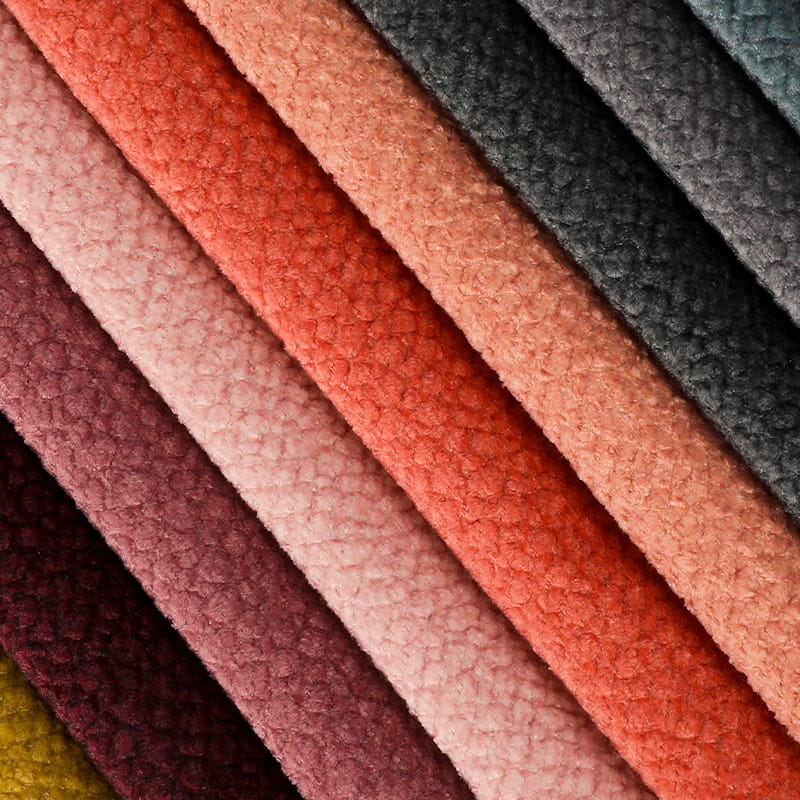
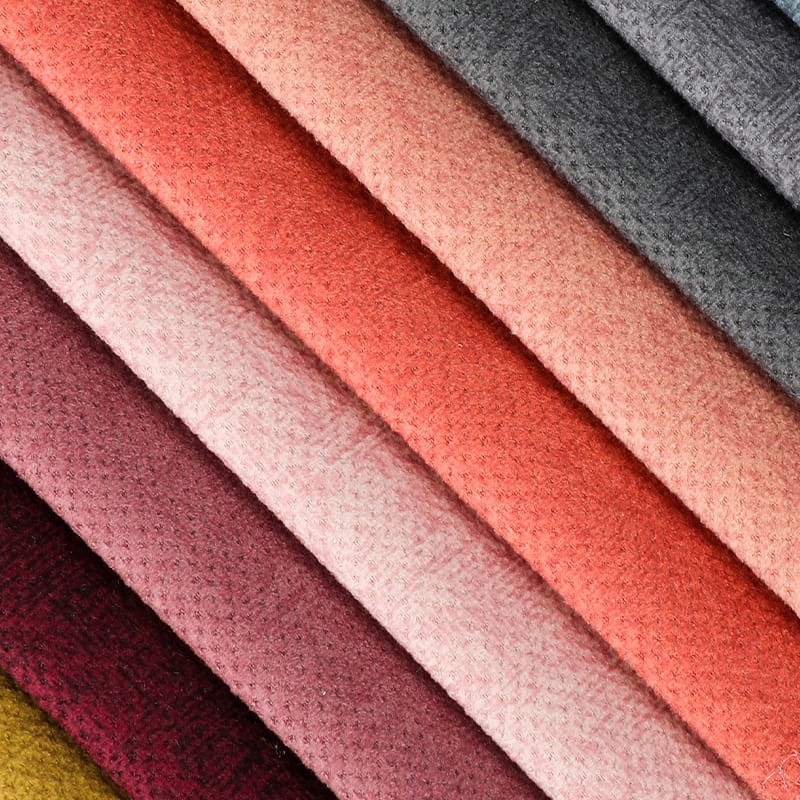
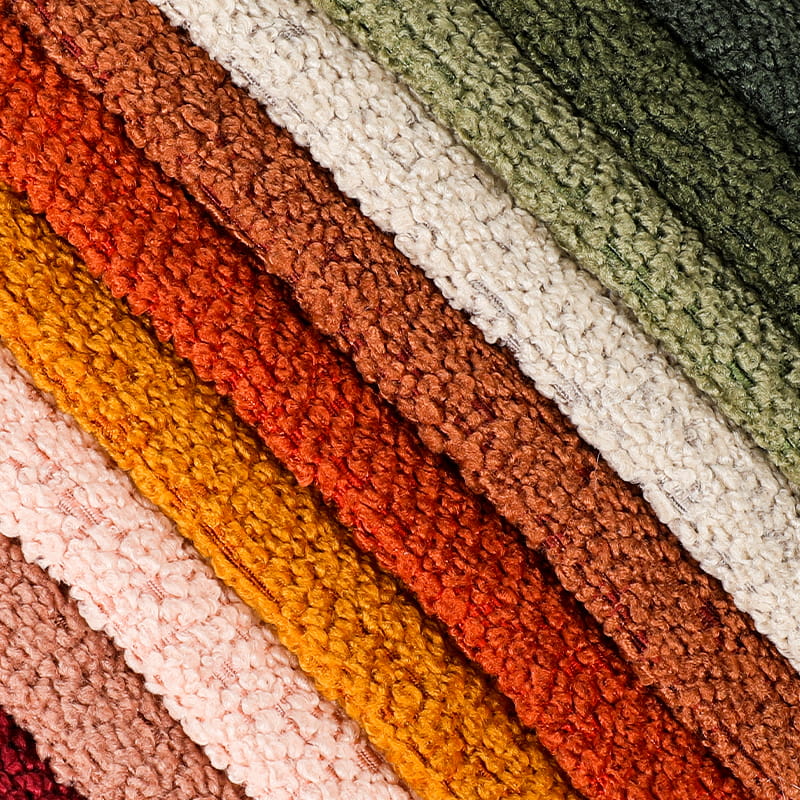
Technology velvet — also called tech velvet, functional velvet, or warp-knitted velvet — is a modern upholstery fabric category that combines the soft, luxurious appearance of traditional velvet with engineered performance properties that standard pile velvets cannot deliver. It is produced on high-speed warp knitting machines using fine polyester or blended filament yarns, and the manufacturing process allows the integration of functional finishes — waterproofing, stain resistance, anti-scratch, antimicrobial treatment — directly into the fabric structure in ways that were not achievable with traditional velvet weaving methods.
For furniture manufacturers, upholstery buyers, and interior designers sourcing sofa fabrics, understanding how technology velvet differs from conventional velvet in both production and performance helps clarify why it has become one of the most widely specified sofa fabrics in contemporary furniture production.
Traditional Velvet: How It Is Made and What It Delivers
Conventional velvet is a woven fabric with a distinctive cut-pile surface. It is produced on a loom using a double-weaving technique: two layers of fabric are woven simultaneously with pile yarns connecting them; the connected pile yarns are then cut at the midpoint to produce two separate velvet fabrics, each with a dense, upright cut-pile surface on one side.
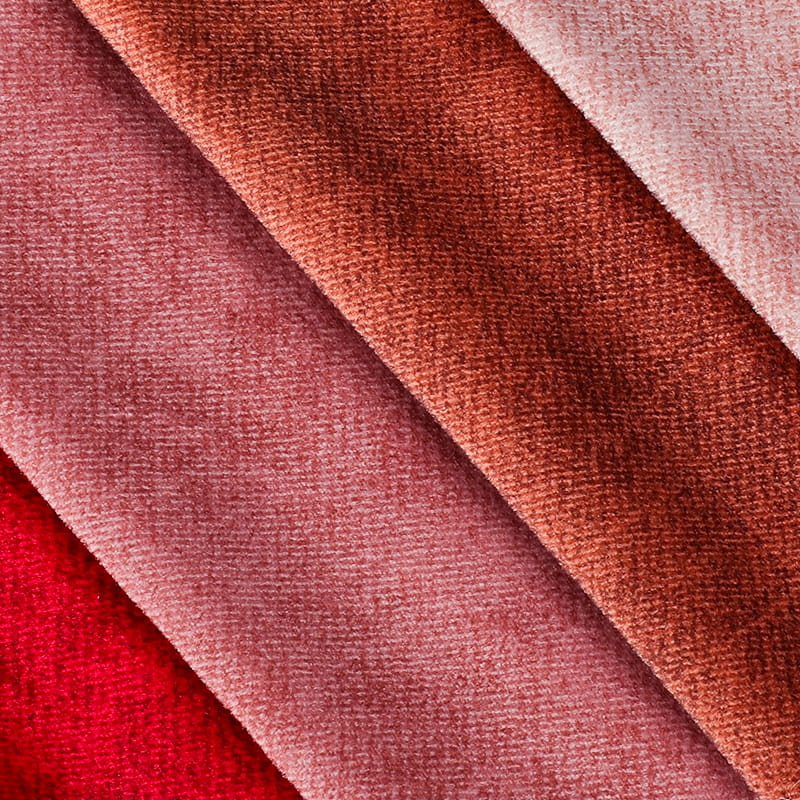
Traditional velvet has been produced from silk, cotton, and viscose yarns, and its surface produces the characteristic soft, lustrous appearance created by the way the upright pile fibers reflect light directionally — the fabric appears to change shade when viewed or stroked from different angles (a phenomenon called "directional shading" or "pile crush").
The limitations of traditional woven velvet for modern sofa applications are significant: it tends to crush and mat under sustained pressure (the pile fibers bend and do not fully recover), it is difficult to treat with functional finishes because the pile surface resists uniform penetration, it is more expensive to produce than warp-knitted alternatives at equivalent pile density, and it is more prone to snagging from sharp objects or pet claws.
Technology Velvet: How It Is Made
Technology velvet is produced on warp knitting machines — specifically, double-bar raschel or double-bar tricot warp knitting machines equipped with pile-forming mechanisms. The warp knitting process interlocks yarns in a chain structure rather than weaving them over and under in a loom, which produces a fabric base with fundamentally different mechanical properties from a woven velvet ground.
In technology velvet production, the pile yarns are formed by the warp knitting process into loops or cut pile on the fabric surface, and the knitted base structure provides a more stable, resilient foundation for the pile than the woven structure of conventional velvet. The result is a fabric with velvet aesthetics — dense pile surface, soft hand, directional sheen — but with mechanical behavior and finishing capability that the woven route cannot match.
Key manufacturing variants include:
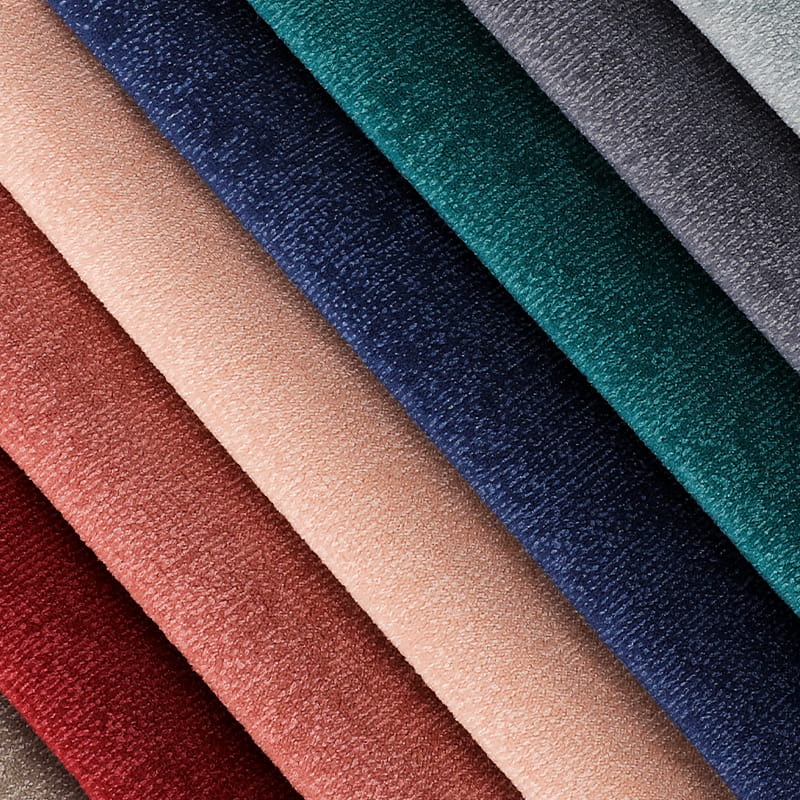
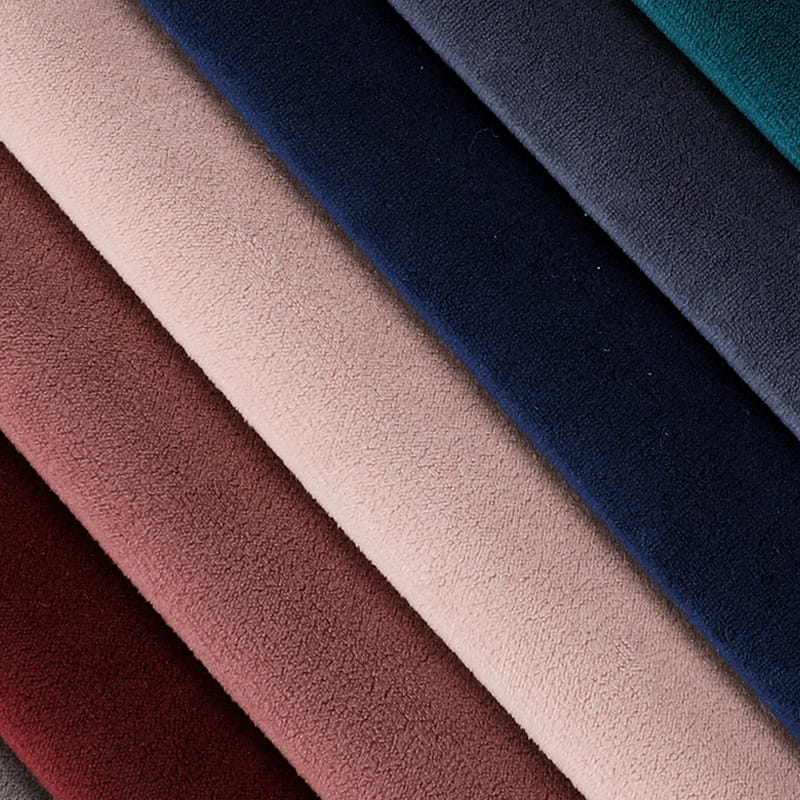
- Warp-knitted cut pile (standard technology velvet): Cut pile loops on a warp-knitted base. Dense, soft surface with good resilience. The baseline technology velvet construction is used in most sofa applications.
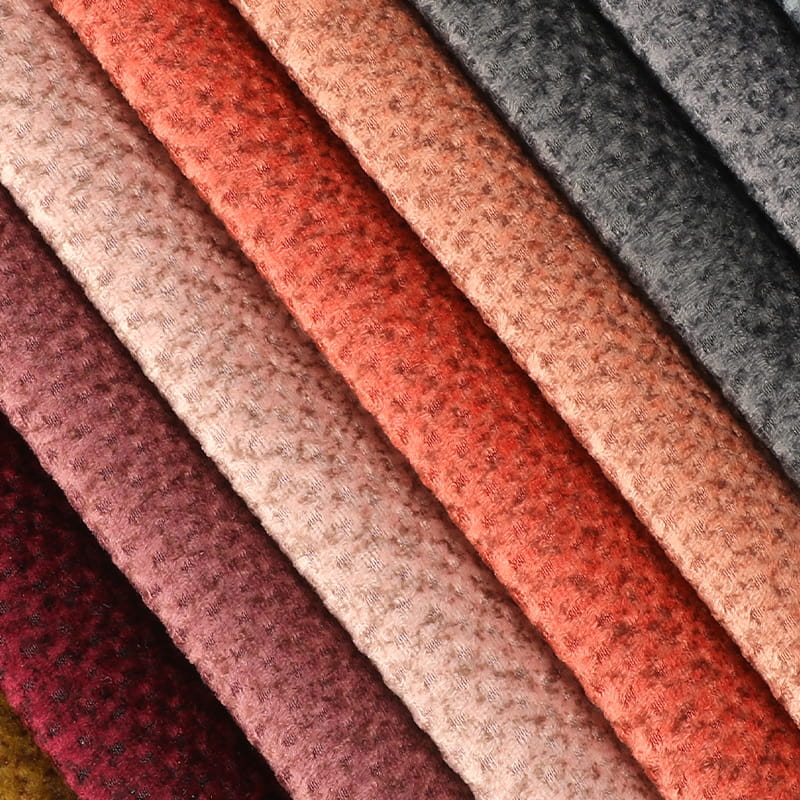
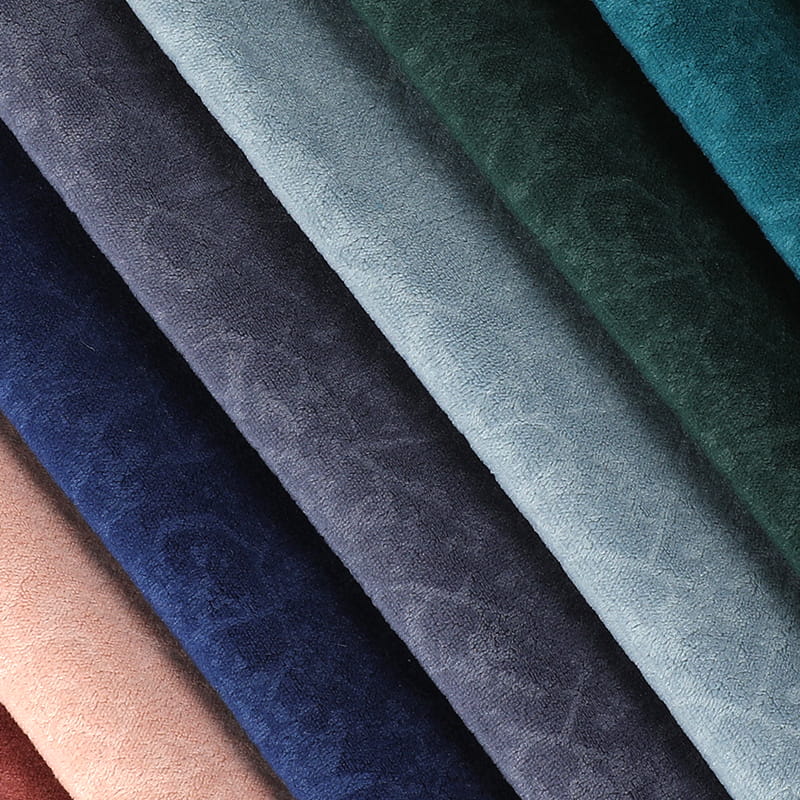
- Burnout (dévoyé) technology velvet: A chemical burnout process selectively dissolves pile fibers in a pattern, leaving semi-transparent areas that create visual depth and pattern effects not achievable by printing alone. Used in decorative sofa and cushion fabrics where pattern interest is a design priority.
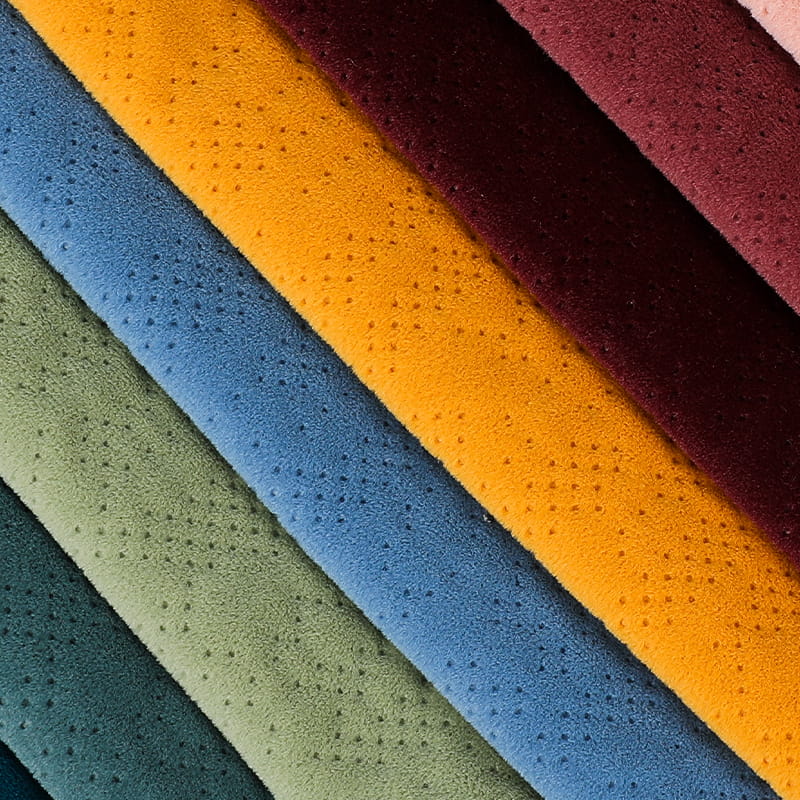
- Super soft velvet: A variant using ultra-fine microfiber pile yarns (typically below 0.5 denier per filament) that produces an exceptionally soft surface hand — significantly softer than standard technology velvet — at the cost of slightly lower pile resilience.
- Embossed technology velvet: The warp-knitted velvet surface is passed through heated embossing rollers that compress specific areas of the pile in a pattern, creating three-dimensional texture and visual interest. The embossed pattern is durable and maintains its definition through repeated use.
Key Differences: Technology Velvet vs Regular Velvet for Sofas
| Property | Technology Velvet | Traditional Woven Velvet |
|---|---|---|
| Production method | Warp knitting | Loom weaving (double-cloth method) |
| Typical fiber | Polyester filament (fine denier) | Silk, cotton, viscose, polyester |
| Pile resilience | Good to excellent — recovers from compression | Moderate — pile can mat and show permanent crush marks |
| Waterproofing / stain resistance | Excellent — finishes penetrate evenly; can achieve full waterproofing | Difficult — woven velvet resists even application of finishes |
| Scratch / snag resistance | Good — knitted structure has better snag recovery than woven | Lower — woven pile loops prone to snagging |
| Rub resistance (Martindale) | Typically 50,000–100,000+ rubs for furniture grade | Varies widely; generally lower for same pile density |
| Cost relative | More cost-effective at high volume | Higher at equivalent pile density and surface quality |
| Pattern options | Wide — solid, embossed, burnout, printed | Limited primarily to solid colors and woven jacquard patterns |
| Primary application | Modern sofas, chairs, upholstered furniture | Traditional/formal upholstery, fashion, luxury home furnishings |
The Functional Performance Advantage of Technology Velvet
The performance advantage of technology velvet over traditional velvet for sofa applications is most pronounced in the functional finishing category. Modern furniture buyers — whether sourcing for residential, hospitality, or contract furniture applications — increasingly specify performance requirements alongside aesthetic requirements. Technology velvet can be engineered to meet these requirements in ways that traditional velvet cannot:
Waterproofing and Liquid Repellency
Technology velvet produced with fine polyester pile can be treated with fluorocarbon or silicone-based water-repellent finishes that cause liquids to bead on the surface and can be wiped away without penetrating the pile. High-performance technology velvet constructions achieve hydrostatic head resistance of 300mm or higher — meaning the fabric resists liquid penetration under pressure, not just surface repellency. For sofas in households with children, for hospitality seating, and for any application where liquid spills are a realistic risk, this performance is a significant commercial advantage over standard fabric alternatives.
Stain Resistance
Oil-based and water-based stain resistance can be applied to technology velvet through fluoropolymer finishing treatments. The stain-resistant finish prevents oils, food residues, and colored liquids from bonding to the fiber surface, allowing them to be removed by blotting and simple cleaning without penetrating or discoloring the fabric. Stain-resistant technology velvet carries an AATCC 175 or equivalent stain release rating that allows buyers to specify a defined performance level.
Antimicrobial Treatment
Technology velvet for healthcare seating, hospitality, and family-use applications can be treated with antimicrobial finishes (silver-ion based or other biocidal treatments) that inhibit the growth of bacteria and odor-causing microorganisms on the fabric surface. This performance characteristic is increasingly specified in healthcare furniture, hotel seating, and premium residential applications where hygiene is a concern.
How to Identify Quality Technology Velvet
When evaluating technology velvet samples, the following characteristics indicate quality production:
- Pile density and evenness: High-quality technology velvet has a uniform, dense pile surface with no visible base fabric showing through when the fabric is held up to light. Thin or uneven pile indicates lower pile yarn count or poor knitting quality.
- Pile height consistency: The pile surface should be uniform in height across the width of the fabric, with no areas of varying pile height that would create shading differences in the finished sofa.
- Rub test performance: Request Martindale abrasion test data. Furniture-grade technology velvet should achieve a minimum of 30,000 rubs for residential applications; 50,000+ rubs for contract/commercial use.
- Color fastness: Rated ISO 105 for light fastness and rubbing fastness. Grade 4 or above for dry rubbing; Grade 3–4 for wet rubbing is the minimum acceptable standard for upholstery fabric.
- Backing construction: Quality technology velvet has a backing that prevents the pile from pulling out under the mechanical stress of sofa construction (cutting, sewing, stapling). Check that the backing provides adequate dimensional stability without excessive stiffness that would make it difficult to work with.
Frequently Asked Questions
Is technology velvet suitable for households with pets?
Technology velvet is generally more pet-friendly than traditional woven velvet due to its better snag resistance and easier cleaning. The knitted base structure reduces the risk of pet claws catching individual pile loops and pulling them out (a common failure mode with loose-loop pile fabrics). Waterproof and stain-resistant technology velvet finishes make cleaning pet hair, muddy paw marks, and pet accidents easier than on unfinished velvet or fabric alternatives. For specifically pet-optimized performance, look for technology velvet with confirmed anti-scratch testing and a tight, high-density pile construction that minimizes the surface area available for claw engagement.
How does technology velvet compare to microfiber suede for sofas?
Both technology velvet and microfiber suede (ultra-fine fiber nonwoven or woven fabric with a suede-like surface) are popular choices for modern upholstered furniture. Technology velvet has a more clearly luxurious appearance — the pile surface creates depth and sheen that microfiber suede does not. Microfiber suede has a flatter, matte finish that suits contemporary minimalist design aesthetics. In durability and cleanability, both can be engineered to high performance standards. The choice between them is primarily aesthetic and driven by the furniture design style: velvet for traditional or transitional luxury looks; microfiber suede for modern, understated aesthetics.
What width does technology velvet fabric typically come in?
Standard technology velvet fabric widths for sofa applications are 140–150cm, with some suppliers offering wider constructions of 160–165cm for applications requiring fewer seams. Xincheng's technology velvet range is produced at standard furniture upholstery widths and can accommodate custom width specifications for production requirements outside the standard range. Confirm your specific width requirement when requesting samples and quotations.
Can technology velvet be used for outdoor furniture?
Standard technology velvet is designed for indoor use and is not UV-stable for extended outdoor exposure — the polyester pile yarns will fade and the pile structure will degrade with prolonged sunlight and moisture exposure. Specialist outdoor upholstery fabrics using solution-dyed acrylic or UV-stabilized polyester yarns are the appropriate specification for outdoor furniture. Indoor technology velvet can be used in covered outdoor environments (covered patios, pergolas) where direct sunlight and rain exposure are limited, but should not be specified for fully exposed outdoor applications.
Technology Velvet Fabrics from Xincheng
Zhejiang Xincheng New Materials Co., Ltd. has 21 years of experience manufacturing technology velvet and warp-knitted upholstery fabrics on 20 advanced Karl Mayer warp knitting machines. Technology velvet constructions include standard cut pile, super soft, burnout, and embossed variants, with optional waterproof, stain-resistant, and antimicrobial functional finishes. Monthly production capacity of 1,500,000 meters. Direct factory pricing, low MOQ for sampling, custom color and finish specifications supported.
Contact us to request samples, technical specifications, and wholesale pricing for technology velvet fabric.
Related Products: Technology Velvet Fabric | Holland Velvet Fabric | Sofa Fabric | All Furniture Fabrics