English
 Español
Content
- How Embossed Furniture Fabric Is Made and Why It Fails Differently
- Five Performance Specs to Verify Before You Order Embossed Furniture Fabric
- Embossed vs. Printed vs. Jacquard vs. Burnout: Choosing a Decorative Finish
- A Sourcing Checklist for Production Buyers
- What the Data Shows About Abrasion by Finish Type
- Frequently Asked Questions
When a Martindale abrasion test reached 40,000 rubs and the wheat pattern on an embossed velvet sample began to flatten at the cushion edge, the weave was still intact. The decorative finish was not. That failure point is the defining reality of embossed furniture fabric: the pattern is applied after the cloth is woven, so its useful life depends on base-fabric density, roller pressure, and finishing temperature.
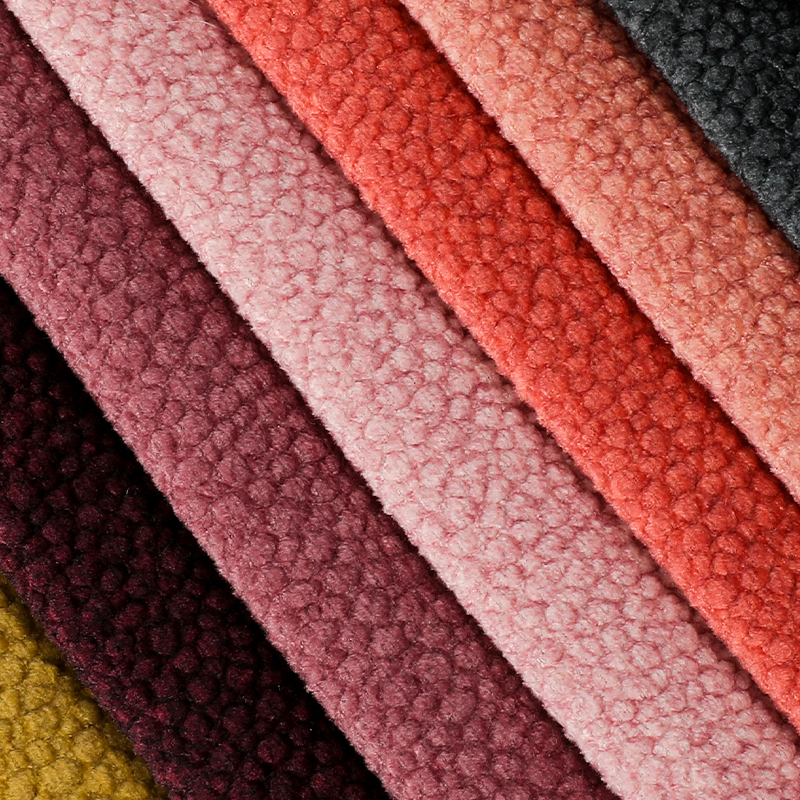
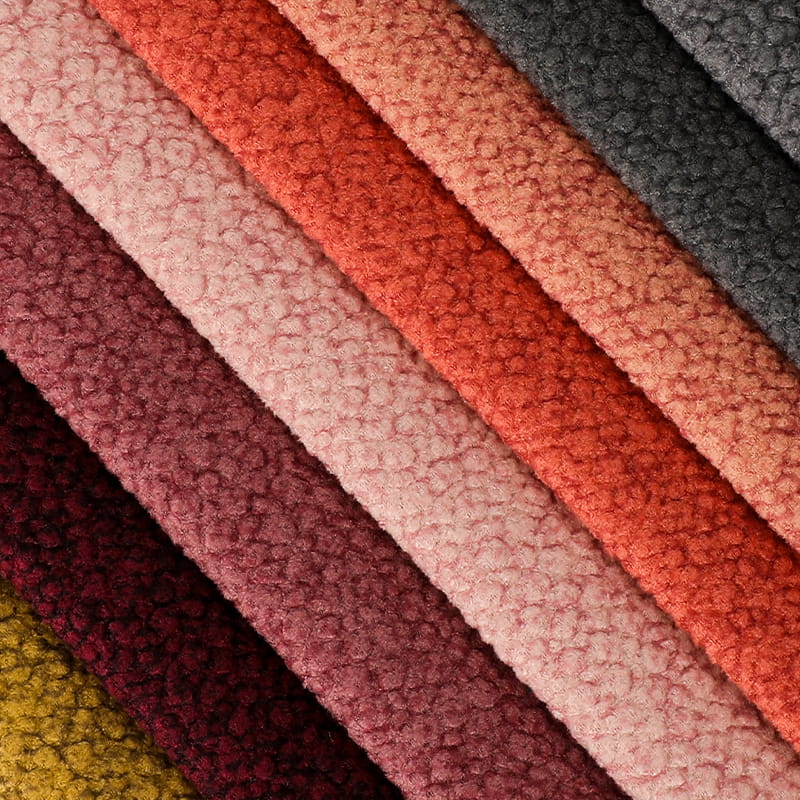
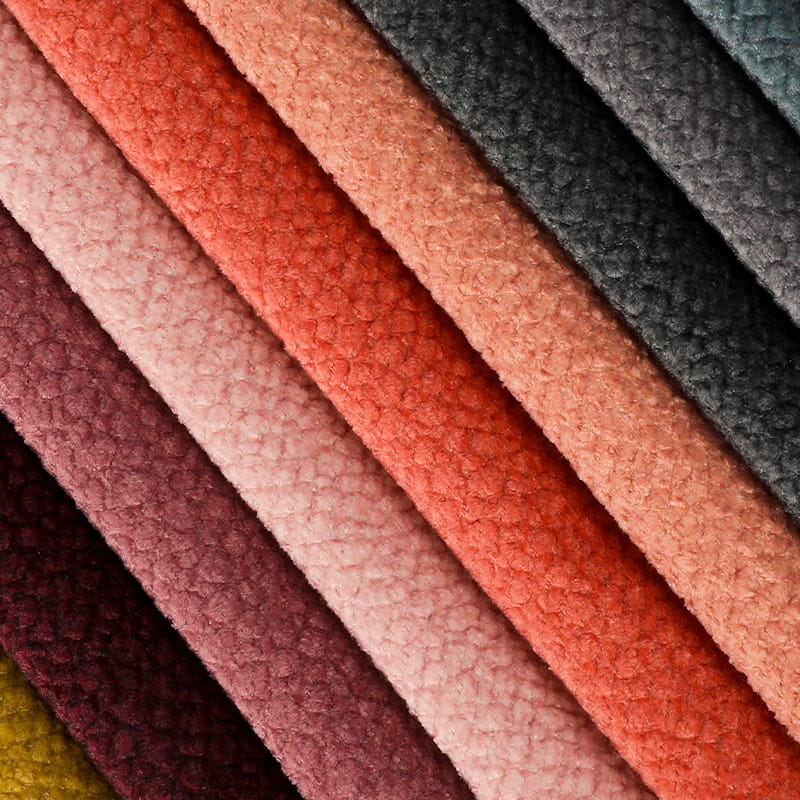
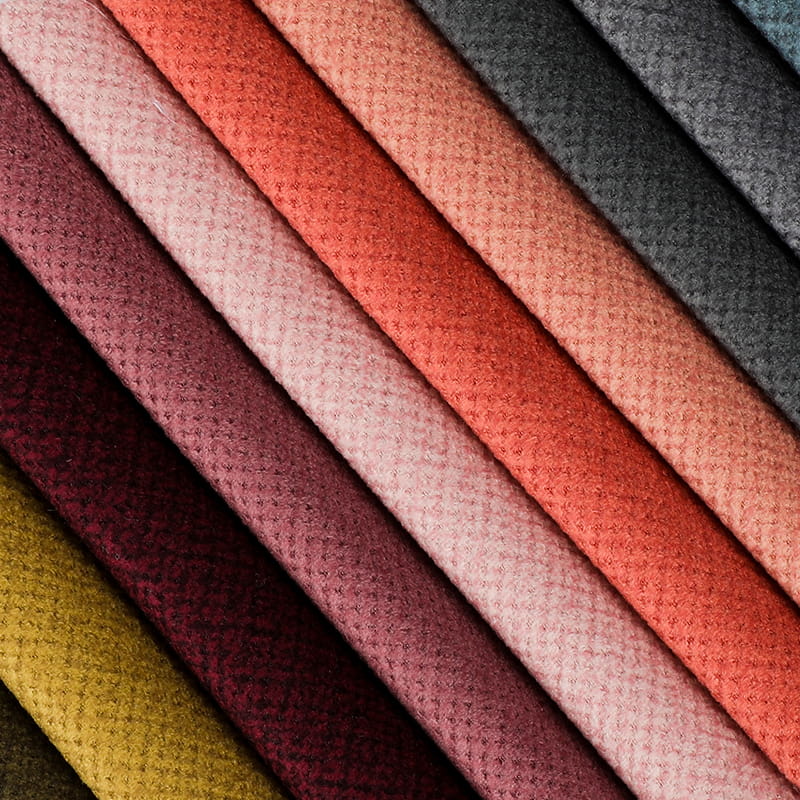
Embossed furniture fabric is a knitted or woven upholstery textile whose surface design is created by a post-finishing process, usually a heated engraved roller that presses a permanent relief pattern into the pile. The raised and recessed areas catch light differently, which is what gives the fabric its texture and depth.
How Embossed Furniture Fabric Is Made and Why It Fails Differently
Embossing is a finishing process, not a fabric construction. The pattern is a deformation of the existing surface, which is why the same "embossed" label can describe very different products.
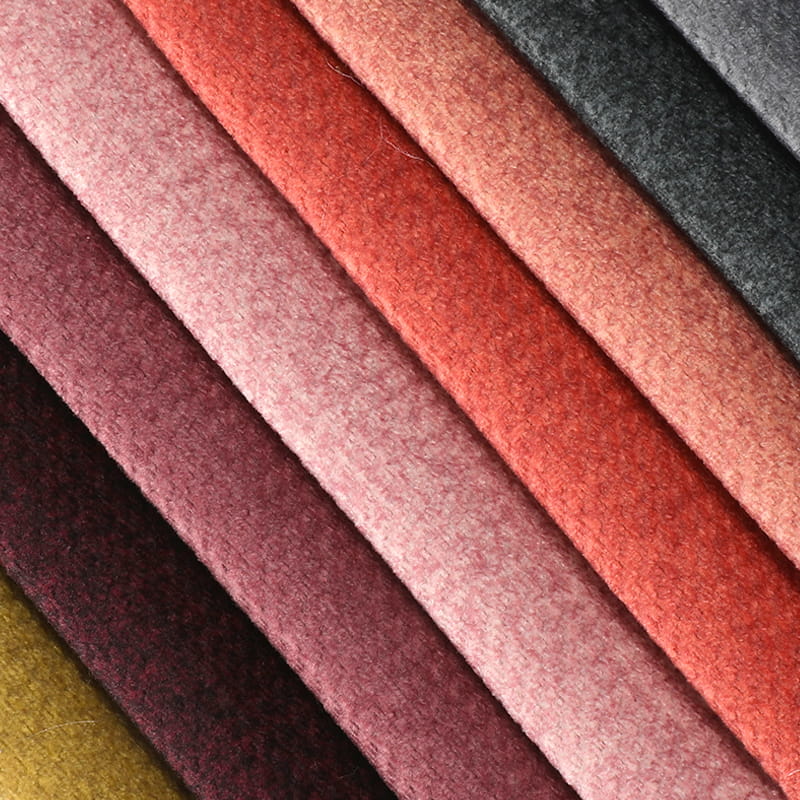
Commercial production follows three main routes. Heat embossing passes the cloth between an engraved steel roller and a counter-roller at controlled temperature and pressure, crushing the pile into the recesses of the design so the fibers set in a compressed position. Glue embossing prints a resin or adhesive pattern onto the surface and cures it, creating the design through slight contraction of the printed areas. Ultrasonic embossing welds synthetic pile fibers together along a pattern, producing a harder, glossier relief line. Polyester velvet, especially snowflake velvet with its two-tone pile, takes a crisp emboss because the crushed areas reflect light differently from the upright pile.
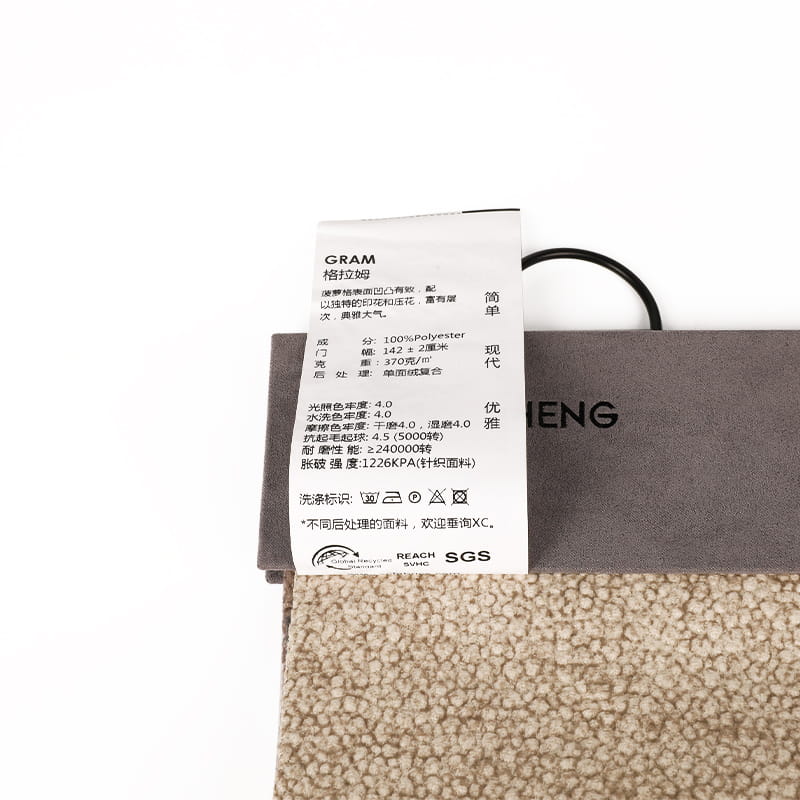
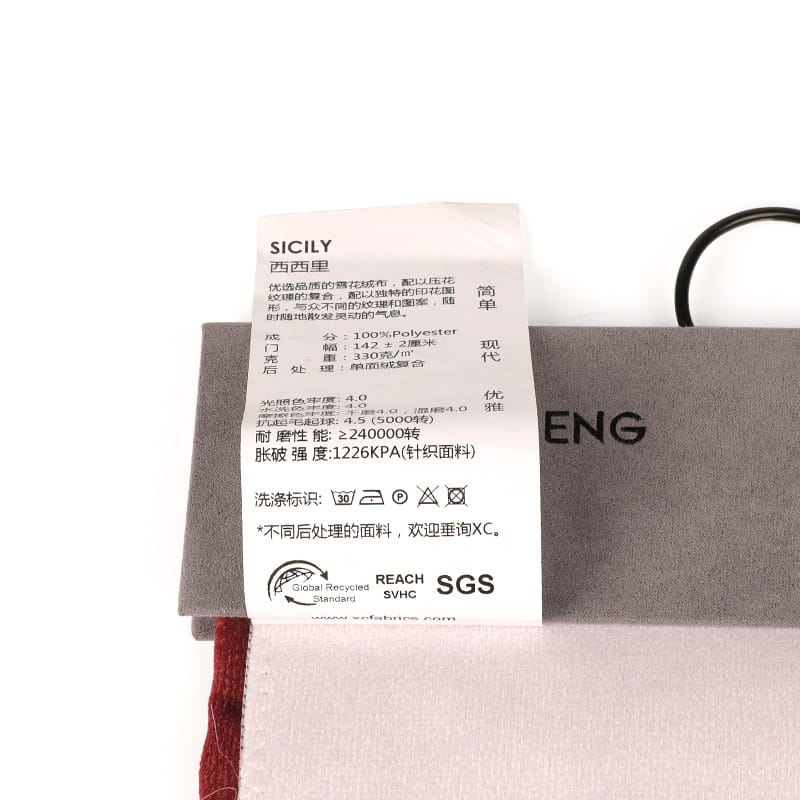 Embossed Snowflake Velvet Sofa Fabric with Two-Tone PileThis embossed velvet uses a dense 370 gsm pile that holds its crushed pattern for years, making it a reliable choice for sofas where design retention matters.View Product →
The practical consequence is that the base fabric, not the embossing machine, determines pattern retention. A lightweight 220 gsm knit with a short pile will hold an emboss for a season; a 370 gsm dense-pile velvet can hold it for years. When a buyer reports that embossed fabric "loses its pattern," the usual cause is insufficient pile density or a backing that was not pre-stabilized before the embossing pass. A detailed review of the material characteristics of embossed sofa fabric explains why pile density is the strongest predictor of pattern retention.
The base fabric, not the embossing machine, determines pattern retention.
Five Performance Specs to Verify Before You Order Embossed Furniture Fabric
Ordering embossed furniture fabric without verified abrasion and colorfastness data is a production risk, not an aesthetic gamble. Pattern loss, seam slippage, and crocking generate the most returns in sofa production, and all three are measurable before a single meter is cut.
| Specification | Common test | Target value | What it predicts |
| Abrasion resistance | ISO 12947 (Martindale) | 30,000+ rubs residential; 50,000+ contract | How long the emboss stays visible under repeated seating |
| Pilling resistance | ISO 12945-2 | Grade 3-4 | Surface fuzzing that blurs the embossed outline |
| Seam slippage | ISO 13936-2 | 3 mm or less at 120 N | Whether cushion seams open along the piping |
| Colorfastness to rubbing | ISO 105-X12 | 4 dry; 3-4 wet | Dye transfer to clothing from dark embossed grounds |
| Tear strength | ISO 13937-2 | 25 N or higher | Staple pull-through resistance along panel edges |
Embossed vs. Printed vs. Jacquard vs. Burnout: Choosing a Decorative Finish
If the design must survive heavy daily use, embossing beats printing because it is a structural deformation of the pile, not an ink layer. If the design must last for the entire life of the sofa, jacquard beats embossing because the pattern is built into the weave itself.
| Finish | How the pattern is made | Pattern durability | Tactile depth | Typical use |
| Embossed | Heated roller deformation of pile | High with dense base pile | Strong relief | Sofa seats, headboards, armrests |
| Printed | Ink or dye applied to the surface | Medium, fades with abrasion | None | Accent chairs, decorative pillows |
| Jacquard | Woven during construction | Very high, built into structure | Medium relief | Premium sofas, heavy curtains |
| Burnout | Chemical etching of pile fibers | High, inherent to remaining pile | Strong contrast | Panel decoration, combined sofas |
For a statement piece, the practical decision is often between embossed and burnout velvet. Burnout removes pile with chemicals to create a sheer or low-pile contrast, while embossing compresses the pile without removing fibers. If the goal is a soft hand with visible grain, an embossed pineapple-effect knit is a common choice; if the goal is a translucent decorative panel, burnout is better suited.
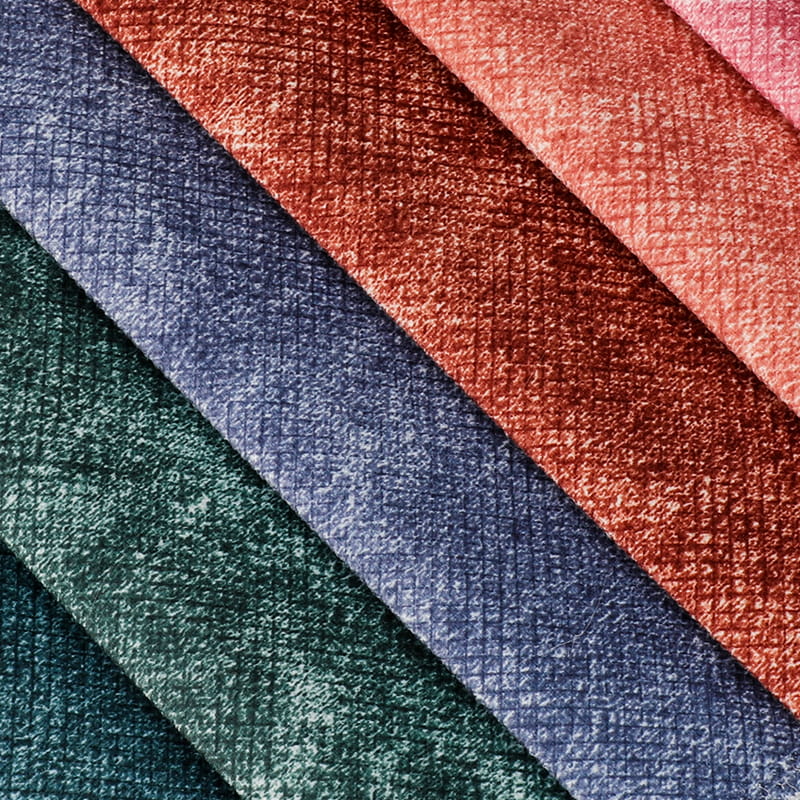
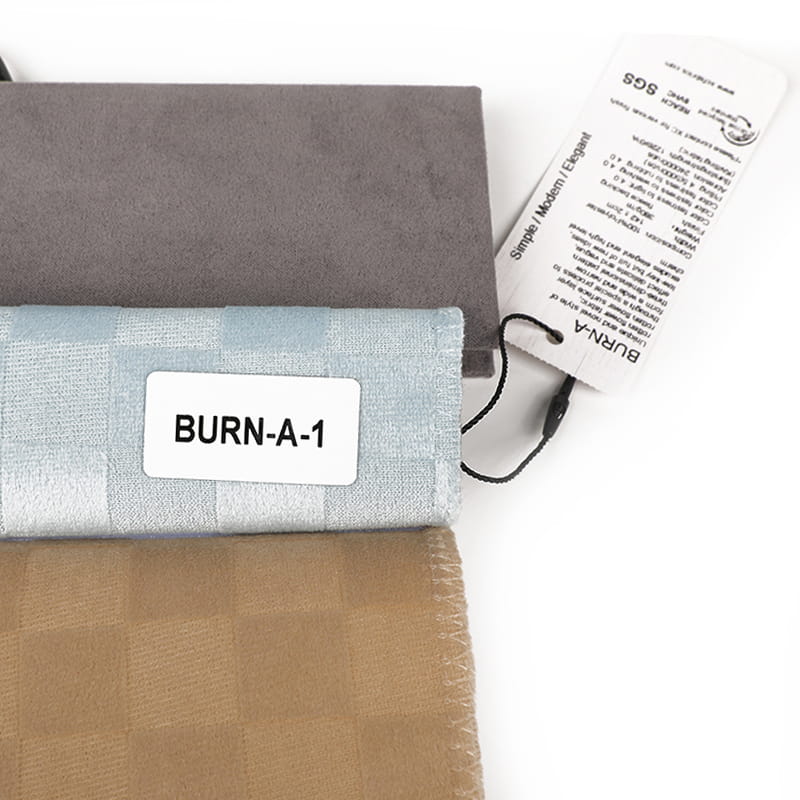 Burnout Super Soft Velvet Furniture Sofa FabricCompared with embossed velvet, this burnout fabric removes pile for sheer contrast, better suiting decorative panels than durable daily-use upholstery.View Product →
Selection rule: choose jacquard when the sofa must keep its design for ten years; choose embossing when you need a soft, tactile surface at a lower material cost.
A Sourcing Checklist for Production Buyers
The cheapest meter of embossed furniture fabric is the one that survives cutting, sewing, delivery, and three years of use. That is why production buyers verify five operational details before discussing price, and why sample approval alone is never enough.
- Confirm the backing type: fleece backing adds body and seam strength; pongee backing gives a smoother drape for vertical panels.
- Fix the gsm tolerance: a +/-5% spread is normal for embossed velvet; request +/-3% when you are cutting large, visible sofa panels.
- Test pattern alignment across lot numbers: roller tracking shifts with width shrinkage, so ask for roll-end samples from at least two batches.
- Match width to your cutting plan: usable width after selvedge matters more than nominal width; a 150 cm fabric with 3 cm selvedge loss may not fit your layout.
- Check emboss depth on production stock: samples are often embossed at slow speed; production lines run faster and can produce a shallower pattern.
Supplier capability changes what you can reasonably ask for. A mill such as Zhejiang Xincheng New Materials Co., Ltd., which operates 20 KARL MAYER warp knitting machines and states a monthly capacity of 1,500,000 meters, can normally provide batch-level Martindale reports and pattern-matched stock across lots. The company's complete sofa fabric product lineup includes fleece-backed and pongee-backed constructions suitable for different embossing depths.
40,000+ Martindale rubs is the practical floor for an embossed sofa fabric that must keep its pattern in daily residential use.
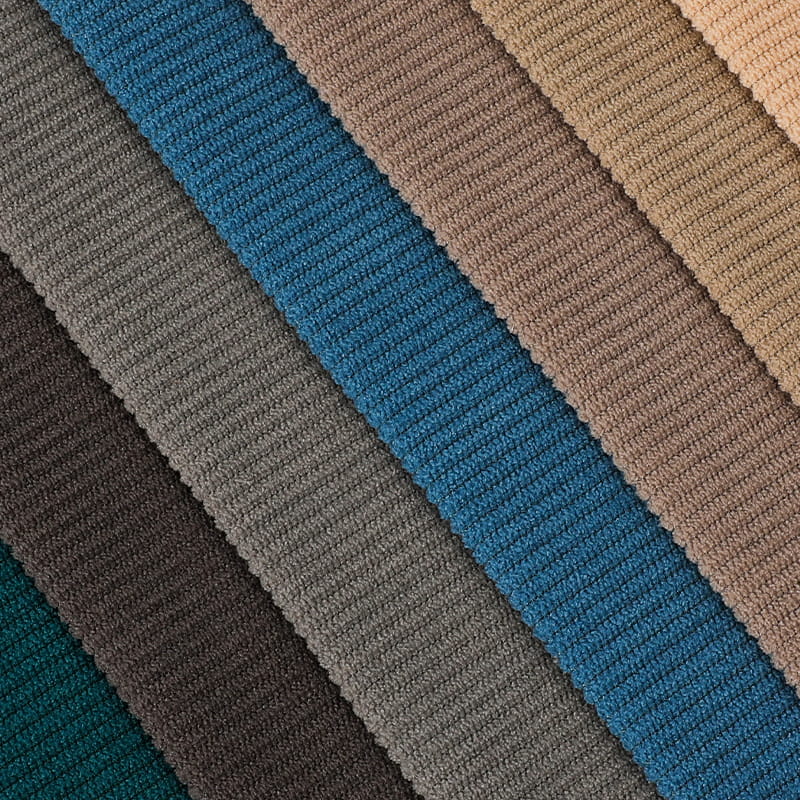
 Unique Embossed Pineapple-Effect Sofa FabricIts irregular surface hides minor crush marks and shimmers under directional light, offering a flexible upholstery option for cut-and-sew operations.View Product →
Among embossed constructions, the pineapple-effect knit is one of the most requested for upholstery because the irregular surface hides minor pattern crush and produces a subtle shimmer under directional light. Its embossed grain reads clearly on both fleece-backed and pongee-backed versions, which makes it a flexible choice for cut-and-sew operations.
What the Data Shows About Abrasion by Finish Type
Abrasion data separates decorative finishes more clearly than visual inspection. The representative ISO 12947 values below, compiled from typical mill test reports on polyester upholstery substrates, show the range a buyer can expect across finish types.
Representative Martindale abrasion by finish type
Values are typical commercial ranges from mill test reports, not batch-specific guarantees. Request the lot Martindale certificate before production.
Frequently Asked Questions
What is embossed furniture fabric?
Embossed furniture fabric is an upholstery textile whose surface pattern is created by a finishing process, typically a heated engraved roller that compresses part of the pile to form a raised or recessed design. The weave structure itself remains unchanged.
Does embossing weaken the fabric?
Embossing changes surface geometry but does not inherently weaken a well-constructed base. With sufficient pile density and a stabilized backing, embossed fabric reaches the same Martindale results as the non-embossed version. The risk appears on low-density knits where pattern crush shows up early.
Can one embossed fabric be used for both sofas and curtains?
Yes. Several embossed constructions in the furniture fabric range are specified for both applications, especially in the 300-370 gsm segment. For vertical drape, a pongee-backed version is preferred; for seating, the fleece-backed version holds up better under constant load.
How should embossed furniture fabric be cleaned?
Vacuum regularly with a soft brush, treat spills immediately with a mild detergent, and avoid steam cleaning because steam can relax the crushed pile and flatten the pattern. Always test a hidden area before any wet cleaning.
Keep a previously approved physical sample as the arbitration standard for every delivery of embossed furniture fabric.