English
 Español
Content
- What Sets Embossed Velvet Upholstery Fabric Apart from Flat Velvet
- Five Quality Indicators to Check Before Buying Embossed Velvet Upholstery Fabric
- How Embossed Velvet Upholstery Fabric Performs on Sofas, Chairs, and Curtains
- Bulk Ordering: What to Verify with Your Fabric Supplier
- Frequently Asked Questions About Embossed Velvet Upholstery Fabric
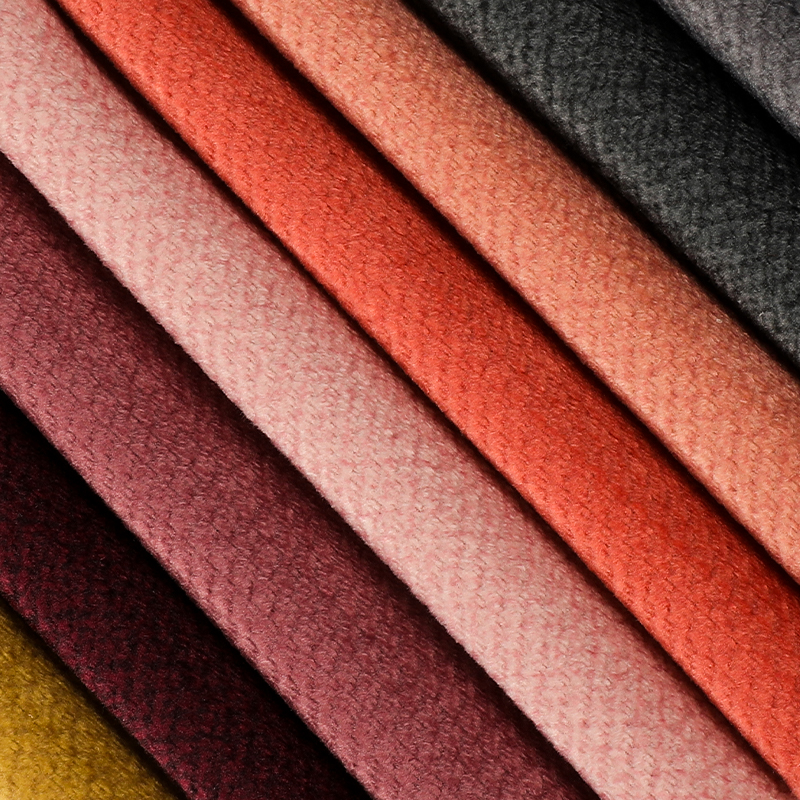
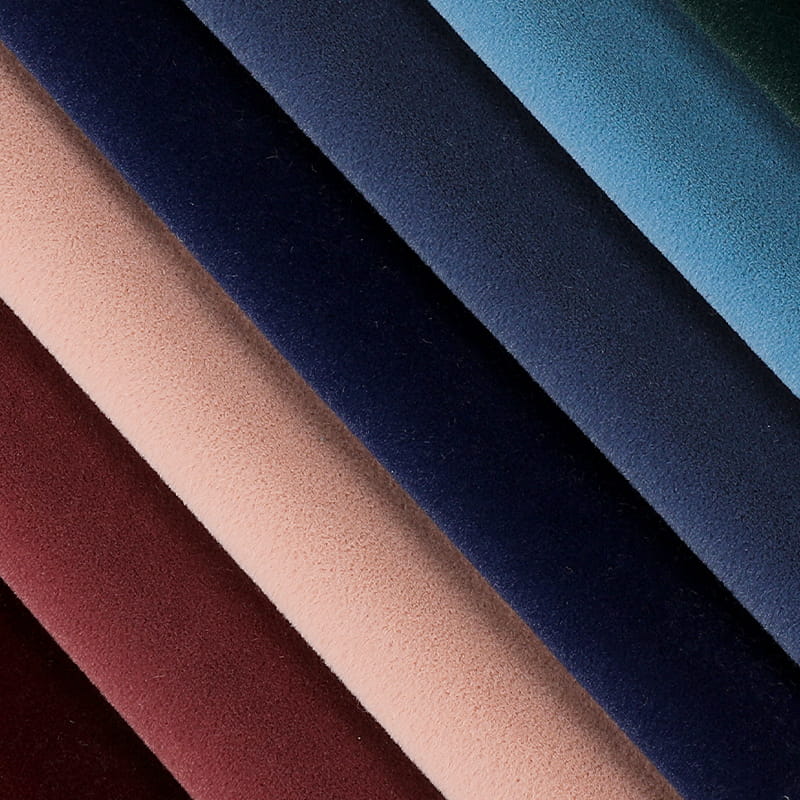
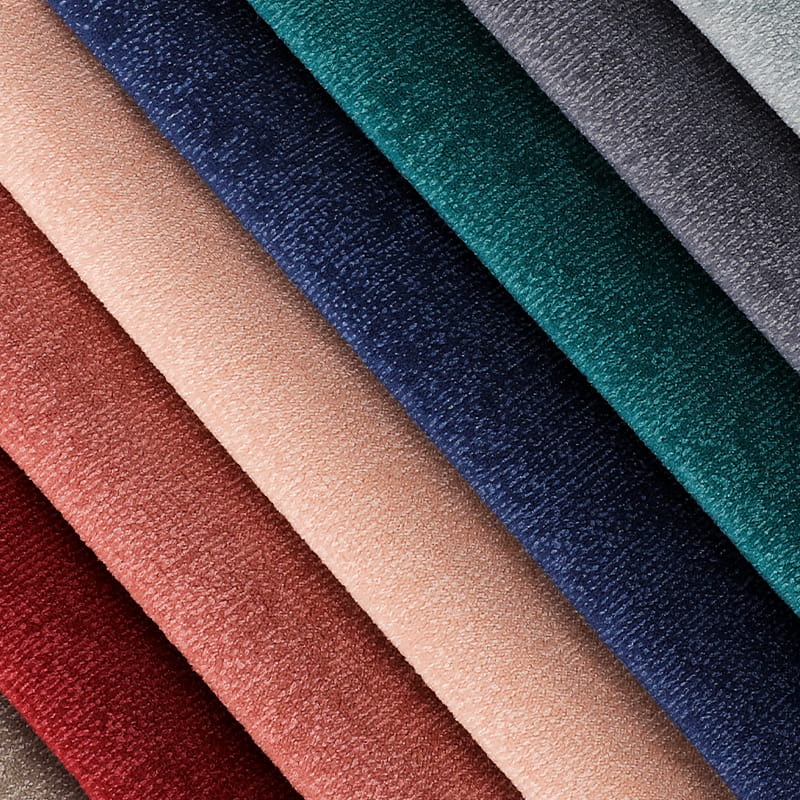
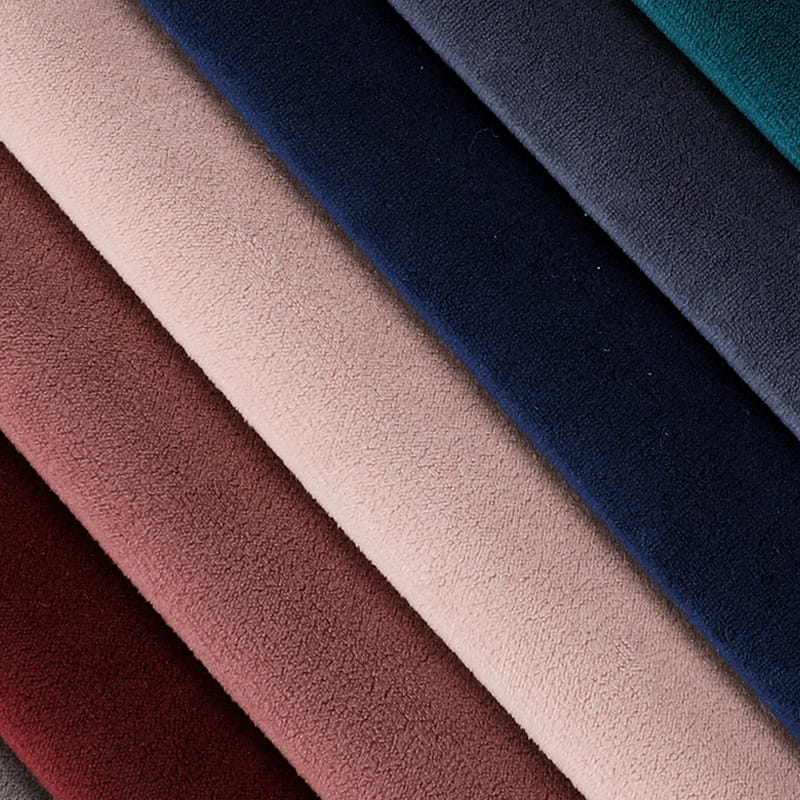
Specifying embossed velvet upholstery fabric for a production run is not the same as matching a swatch in a showroom. When a 500-sofa contract depends on the fabric keeping a raised pattern crisp after years of daily use, the decision rests on measurable parameters: pile density, embossing depth, backing construction, and the mill's ability to hold color across dye lots. Embossed velvet upholstery fabric is a pile fabric in which a heated engraved roller permanently compresses selected areas of the velvet surface, creating a two-level raised-and-recessed pattern that shifts with light and touch. The quality gap between suppliers shows up in customer complaints within the first year, which is why buyers who understand how the fabric is made tend to spec it more accurately and pay less over time.
Zhejiang Xincheng New Materials Co., Ltd., a fabric mill in Zhejiang province with 21 years of experience producing finished sofa and upholstery fabrics, treats embossing as a core finishing capability. Its 50,000-square-meter facility runs 20 warp knitting machines and ships 1,500,000 meters per month, with embossed velvet constructions offered from 100 to 500 gsm and 100 to 300 cm in width.
What Sets Embossed Velvet Upholstery Fabric Apart from Flat Velvet
The difference is structural, not merely decorative: embossing permanently flattens part of the pile, so the fabric carries two surface heights instead of one.
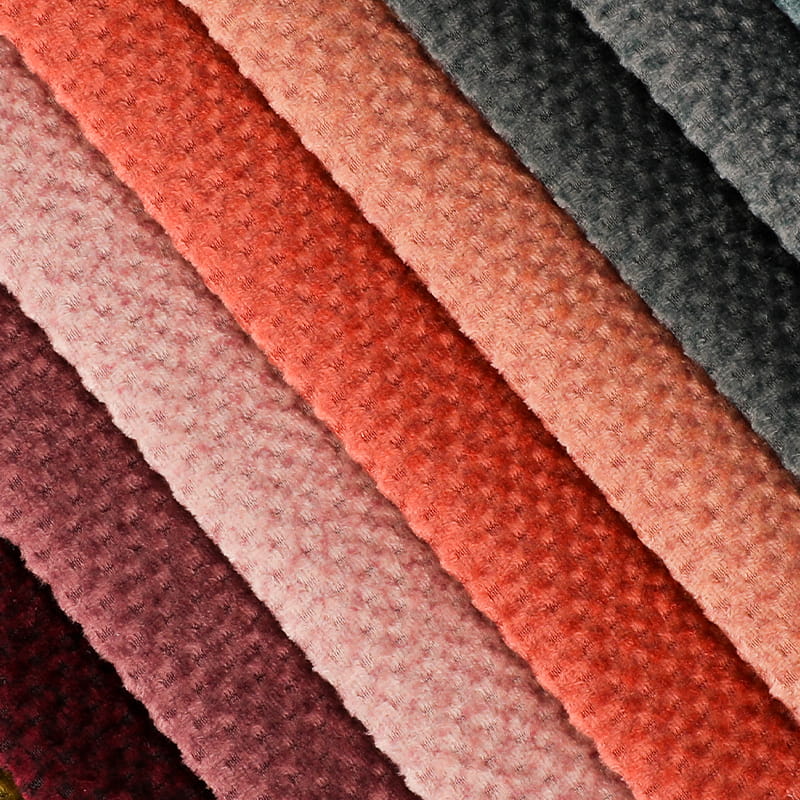
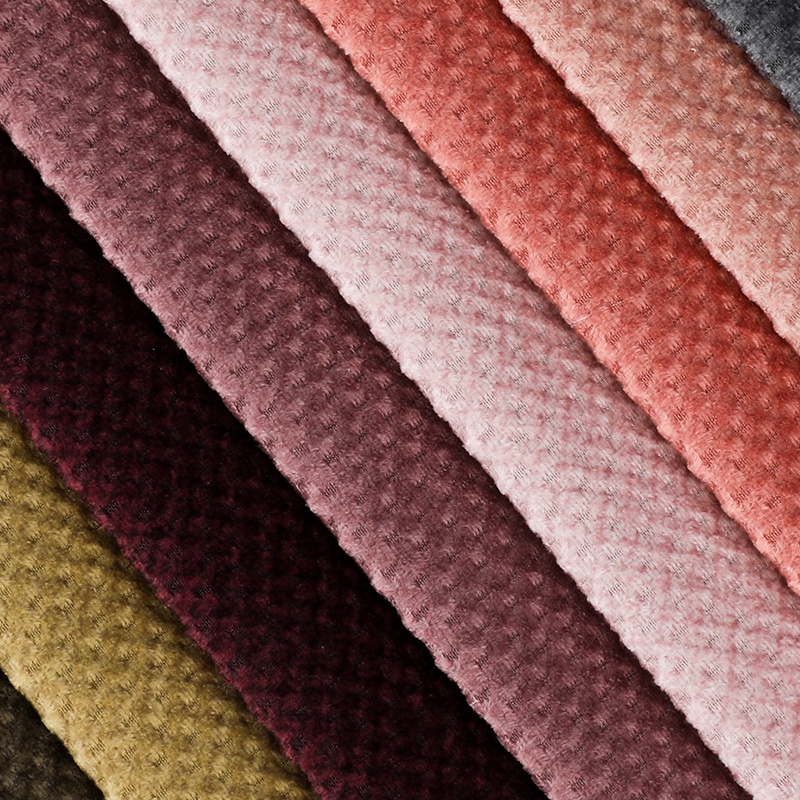
Flat velvet has a uniform pile height, so light reflects evenly and the hand feels consistently soft. Embossed velvet has compressed valleys and untouched peaks. The compressed areas reflect more light and feel firmer, while the raised pile stays matte and plush. That dual-surface construction changes how the fabric wears, how it reflects color, and how it should be cleaned. It also affects the upholstery shop: pattern direction must be matched at seams, and cutting waste rises when a large motif needs to be centered on each cushion.
Core definition: Embossing is not printing. A printed pattern sits on the surface and can abrade away; an embossed pattern is formed by crushing the pile fibers under heat and pressure, so the design is part of the fabric structure and will not wash off or separate from the face.
| Attribute | Flat Velvet | Embossed Velvet |
| Pile surface | Uniform height | Two-level patterned |
| Light reflection | Even and muted | Contrasting sheen |
| Pattern durability | None | Heat-set, permanent |
| Hand feel | Uniformly soft | Mixed soft and firm zones |
| Cleaning care | Standard vacuum care | Vacuum only, no brushing |
| Typical use | Solid-color sofas | Headboards, accent panels |
Five Quality Indicators to Check Before Buying Embossed Velvet Upholstery Fabric
You can judge an embossed velvet upholstery fabric order before cutting a single meter by checking five parameters: weight, emboss depth, backing, abrasion resistance, and colorfastness.
- Weight. Upholstery-grade embossed velvet normally sits between 280 and 380 gsm. Below 250 gsm the pile is too thin to hold a deep pattern; above 410 gsm the fabric gets heavier, more expensive, and better suited to contract seating.
- Emboss depth and edge sharpness. Run a thumb across the pattern. A quality emboss has a clean edge between compressed and raised zones, and the pattern bounces back after light pressure instead of flattening permanently.
- Backing construction. Fleece backing adds body and dimensional stability for sofas and chairs; pongee backing is lighter and suits curtains. Confirm which backing is used before quoting.
- Abrasion resistance. Residential upholstery should reach at least 20,000 Martindale rubs; hospitality and contract seating should pass 40,000. Dense pile and a stable backing are what let the pattern survive those levels.
- Crocking and colorfastness. Wet and dry crocking tests reveal whether dye transfers to light clothing. Ask for the test report for the actual lot, not a certificate from another season.
Typical specified weight ranges of embossed velvet by application, in grams per square meter.
How Embossed Velvet Upholstery Fabric Performs on Sofas, Chairs, and Curtains
Embossed velvet earns its place on pieces that get moderate, upright use; it is not the first choice for high-abrasion zones such as sofa armrests in a household with large dogs or young children.
- Headboards and bed panels
- Decorative cushion covers
- Dining chair seats and backs
- Curtains and drapery
- Boutique and hospitality seating with moderate turnover
- Heavy-use family room sofas
- Pet claws and abrasive wear
- High-traffic commercial benches
- Areas with frequent liquid spills
- Loose-cushion tops without rotation
For sofa programs that need a patterned embossed face, structured velvet constructions with the motif heat-set into the pile are the standard choice. Xincheng's sofa fabric line includes an embossed texture snowflake velvet that pairs a defined raised pattern with a stable ground, which reduces the slippage upholsterers sometimes feel on smooth velvet.
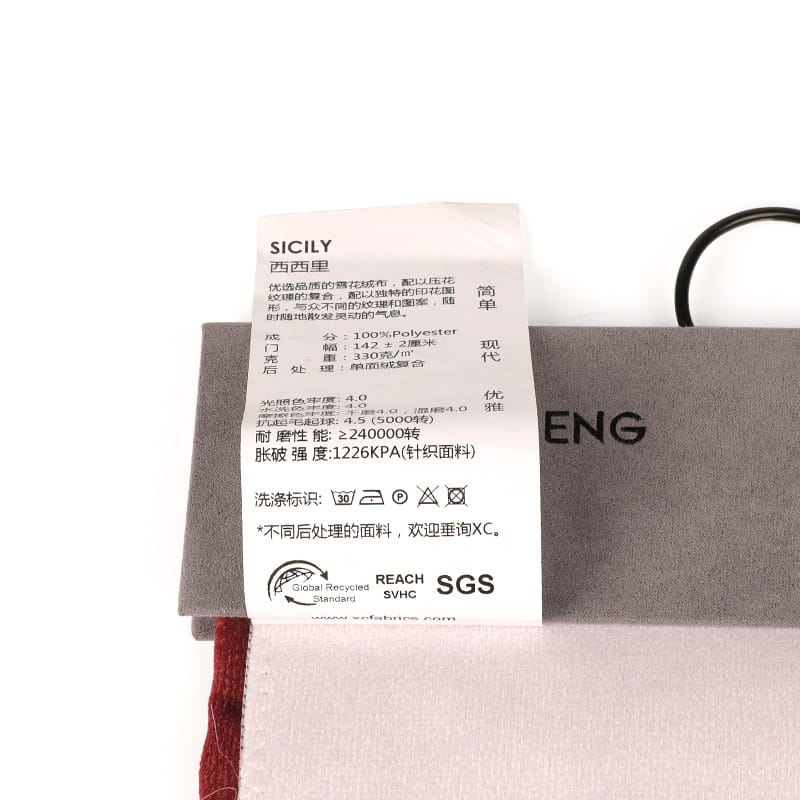 Embossed Snowflake Velvet for Sofa UpholsteryThis patterned velvet combines a heat-set snowflake motif with a stable ground, helping reduce fabric slippage during upholstery while offering a durable embossed face for sofa programs.View Product →
Dining chairs and accent seating put more tension on the fabric at curves and foam edges. A stippled emboss such as the unique embossed pienapple construction holds its pattern under that kind of stretching better than large, open motifs do.
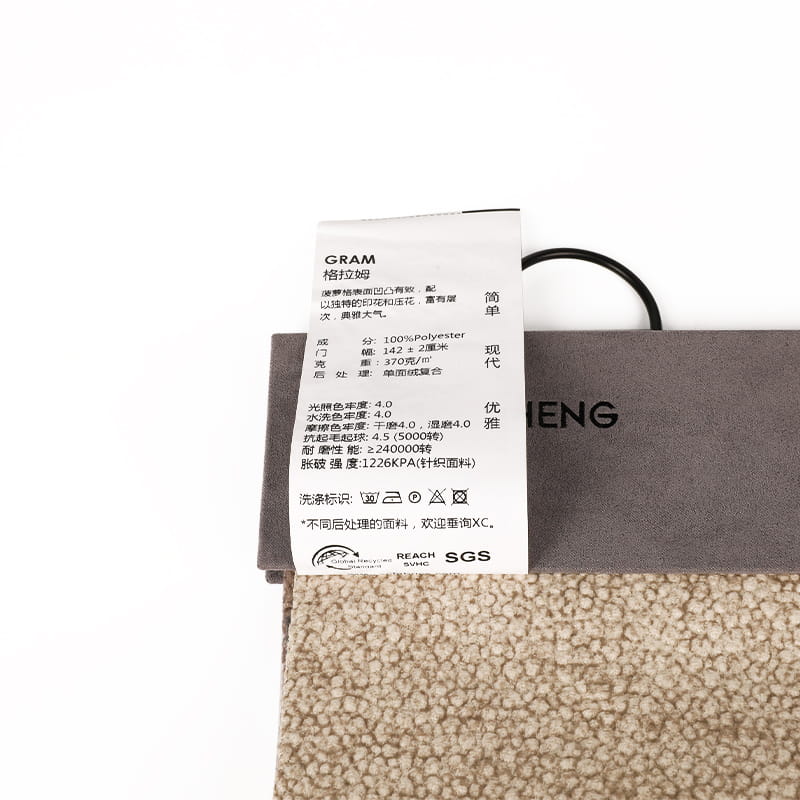 Unique Embossed Pienapple Upholstery FabricIts stippled emboss construction holds its pattern well under the tension at curves and foam edges, making it a practical choice for dining chairs and accent seating.View Product →
If a single SKU must cover both sofas and chairs, a multi-purpose upholstery construction rated for both simplifies inventory and quoting. Mills that specialize in upholstery runs can supply the same face with either backing.
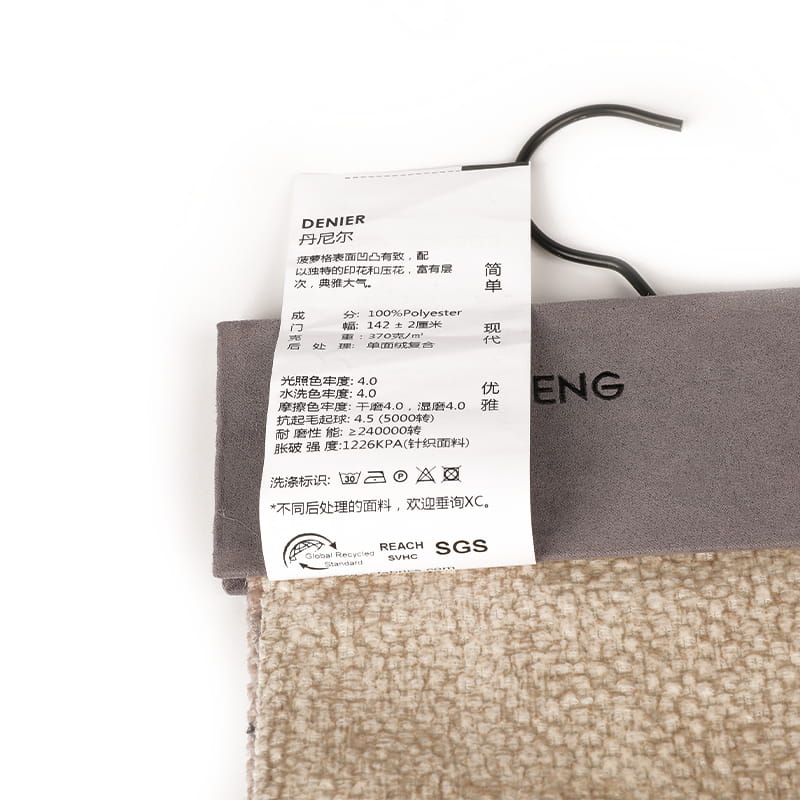 Multi-Purpose Upholstery Fabric for Sofas and ChairsRated for both sofas and chairs, this versatile upholstery construction simplifies inventory and quoting. Consider strike-offs on your exact weight to see the pattern's shadow contrast.View Product →
| Application | Recommended weight | Backing | Abrasion target |
| Sofa upholstery | 300-380 gsm | Fleece | 30,000+ rubs |
| Dining chairs | 260-340 gsm | Fleece or pongee | 25,000+ rubs |
| Curtains | 180-280 gsm | Pongee | Not rated |
| Headboard panels | 280-350 gsm | Fleece | 20,000+ rubs |
The same embossed pattern looks completely different on a 280 gsm curtain velvet versus a 360 gsm sofa velvet. The deeper the pile, the stronger the shadow contrast between compressed and raised areas, so order strike-offs on the exact weight you intend to buy.
Bulk Ordering: What to Verify with Your Fabric Supplier
Before committing to a bulk order, verify these five points in writing: shade-band approval, emboss roller consistency, backing lot control, reorder lead time, and logistics.
- Shade band approval. Sign off on a physical swatch cut from the actual production lot, not from a stock photo or a different season's run.
- Emboss roller condition. Ask how often the mill re-engraves its embossing rollers. Worn rollers produce soft, muddy patterns, and the defect only becomes visible after the fabric is on a frame.
- Backing source consistency. Fleece and pongee backings come from different greige suppliers; a change of source changes drape and hand even when the face fabric is identical.
- Reorder lead time. Custom emboss patterns use dedicated rollers. Confirm that the roller is stored and labeled so a reorder after a year does not restart sample development.
- Logistics. Check whether the mill ships via Shanghai or Ningbo ports, because lead times and freight costs differ.
A mill that publishes its process details openly, including finishing steps and material characteristics, is more likely to share test data before an order. Read Xincheng's material characteristics analysis of embossed sofa fabric, then send your target weight, backing, and abrasion requirements through the site's contact page.
Frequently Asked Questions About Embossed Velvet Upholstery Fabric
How durable is embossed velvet upholstery fabric?
With a pile weight of 300 gsm or higher and a stable fleece backing, embossed velvet reaches 30,000 to 50,000 Martindale rubs, which covers residential and light contract use. The compressed valleys wear more slowly than the raised pile, so the pattern becomes more visible over time rather than disappearing.
Can you clean embossed velvet without damaging the pattern?
Vacuum weekly with a soft brush attachment and low suction. Never rub the surface vigorously with a wet cloth, because heavy pressure can permanently crush the raised pile. Professional low-moisture cleaning is safe; steam cleaning is not, because high heat can relax the embossed set.
What is the difference between embossed velvet and crushed velvet?
Crushed velvet twists the fabric during finishing so the pile lies in irregular glossy streaks. Embossed velvet uses a heated engraved roller to create a controlled, repeatable pattern. Crushed is random; embossed is engineered, which matters when you need the same motif across thousands of meters.
What backing is best for embossed velvet upholstery?
Fleece backing for sofas and chairs, because it adds dimensional stability and makes cutting and upholstering easier. Pongee backing for curtains and lighter decorative use. Many mills, including Xincheng, offer both backings on the same face cloth, so the choice can be made per SKU.
Bottom line: specify embossed velvet upholstery fabric by numbers, not by appearance alone. Weight, backing, abrasion rating, and emboss depth determine whether the pattern survives real furniture use.